Cleaning Antique Collectibles: Why You Must Never Polish Off Natural Patina
The most expensive mistake in antique selling: how abrasive baking soda, acid baths, and polishing pastes destroy patina and erase 90% of market value.
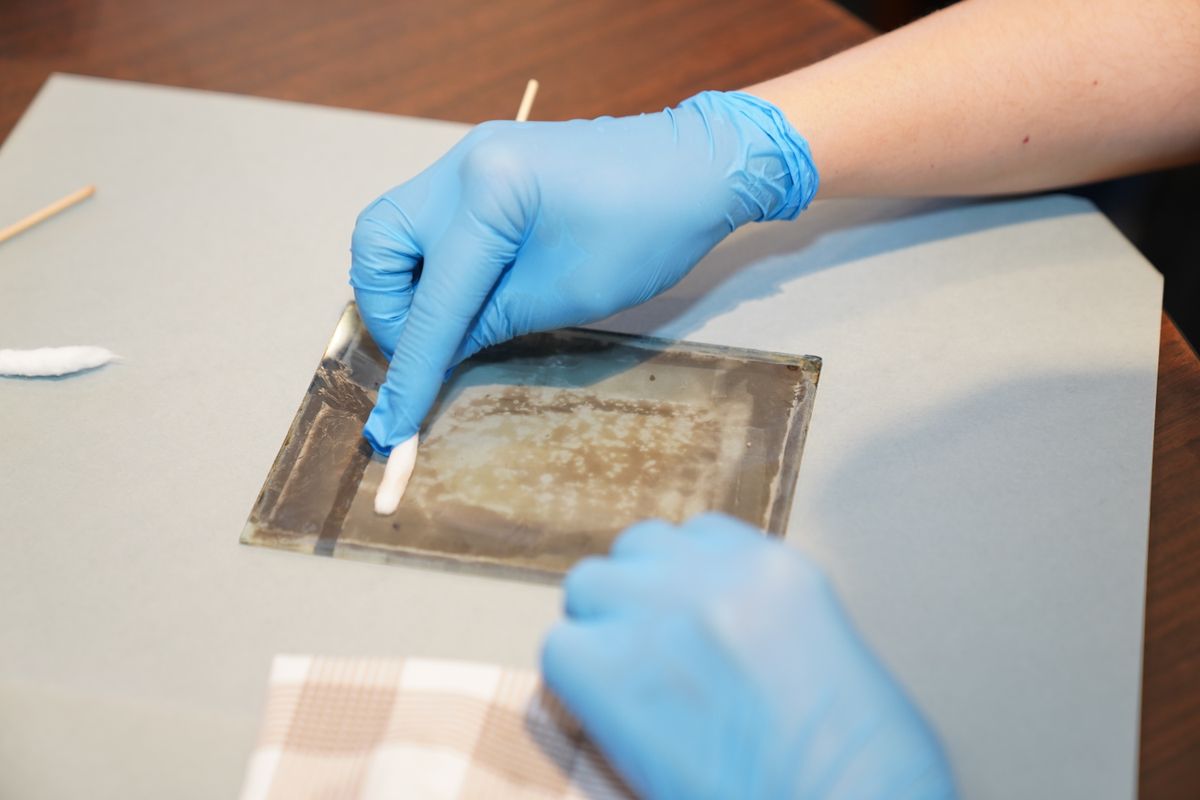
Among professional numismatists, art appraisers, and museum curators worldwide, an agonizing reality is widely acknowledged: more historical rarities have been destroyed at home kitchen sinks than through all the military conflicts of the modern era.
When an inheritor discovers an antique silver coin, ancestral military order, brass candelabra, or pocket watch, the immediate reflexive impulse is almost universal: "I need to clean and polish this so it shines like brand new before selling."
Out come toothbrushes, baking soda, vinegar, commercial metal polishes, or harsh household descalers. Within minutes, a historical survivor worth 500 euros is permanently stripped into a ruined metallic token evaluated solely at scrap melt price.
What Is Patina and Why Do Collectors Revere It?
Patina is not dirt or grime. It is a stable, microscopically thin passivation layer of metal oxides, carbonates, and sulfides formed by decades or centuries of gentle chemical interaction with surrounding ambient atmosphere.
Why natural patina is irreplaceable:
- The Ultimate Certificate of Age: Natural generational toning with subtle amber, slate, and peacock rainbow hues cannot be chemically faked. It serves as prime forensic proof against counterfeit castings.
- Protective Shield: Stable patina seals underlying metal against progressive degradation.
- Sculptural Contrast: Darker toning settling into recesses accentuates engraving relief, giving portraits and heraldry lifelike depth and visual presence.
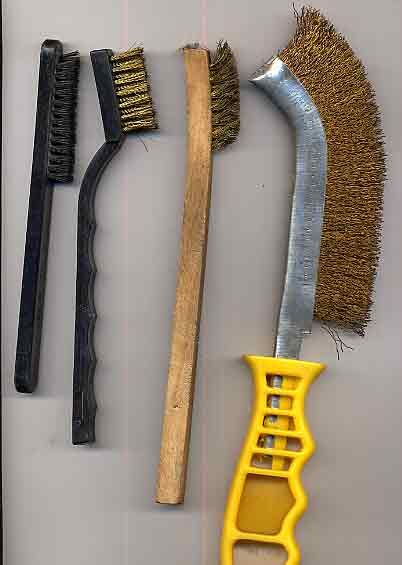
Фото: Scott Semans · CC BY 3.0 · Wikimedia Commons
The Destructive Science of Amateur Cleaning
- Baking Soda and Toothpaste: These substances are abrasive scouring agents. As they scrub away oxidation, they etch millions of permanent microscopic parallel scratches (hairlines) across the coin's delicate mirror fields.
- Vinegar, Lemon Juice, and Acid Dips: Acids react violently and indiscriminately, leaching out alloying elements. The surface turns porous, chalky, and unnaturally dull or pinkish.
- Jewelry Polishing Cloths and Buffing Wheels: Friction wears away the microscopic high points of relief, replacing historical mint bloom with a garish, greasy artificial luster instantly identified by collectors.
Real Market Impact: Auction Case Studies
The financial consequences of cleaning are unforgiving:
- An 1875 Kingdom of Serbia silver crown with rich original charcoal toning: 300–400 euros.
- The identical coin stripped with toothpaste to raw metal: 30–40 euros (serious numismatists outright refuse cleaned pieces).
- An ancient bronze coin soaked in household acid: complete loss of design relief, zero collectible value.
What Is Acceptable Practice Before an Auction?
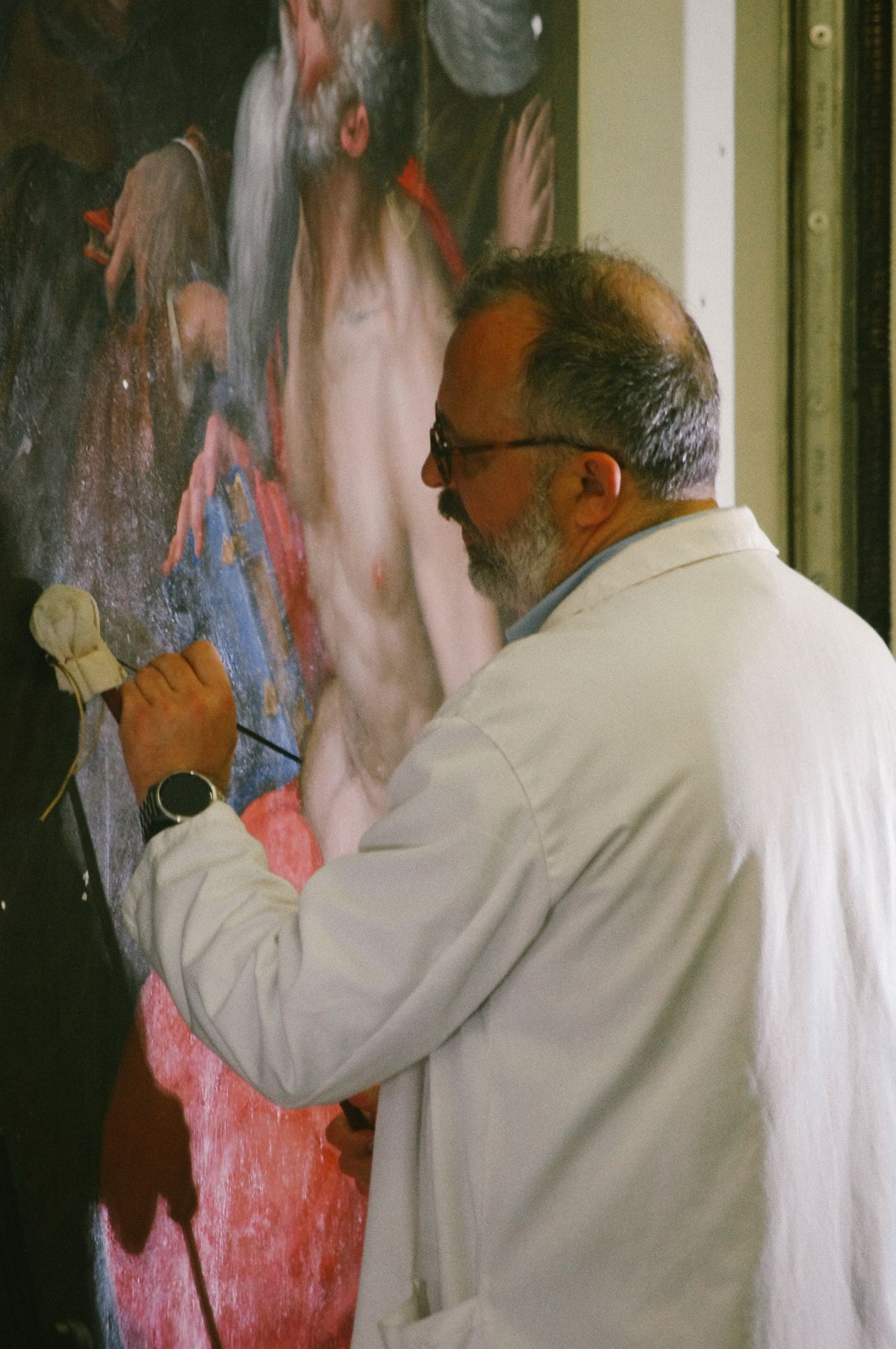
The core museum conservation doctrine is clear: Do no harm. If you are not a trained conservator, do not intervene!
If an object is merely covered in loose house dust or dry cellar debris:
- Rinse gently under lukewarm running water.
- Use a few drops of neutral baby soap and touch gently only with fingertips or an ultra-soft natural goat-hair brush.
- Perform a final rinse in distilled water to prevent mineral scale deposits.
- Pat dry gently with a paper towel; never rub or wipe across delicate surfaces.
Crucial Rule for Sellers: Present the artifact in its honest, untouched condition. Experienced collectors actively seek generational dust and untouched patina — they are buying authentic history, not kitchen shine.