How to Photograph Collectibles for Online Auctions Using a Smartphone
Practical guide to smartphone product photography for antiques, watches, and comics: natural lighting, sharp macro focus, backdrops, and disclosing flaws.
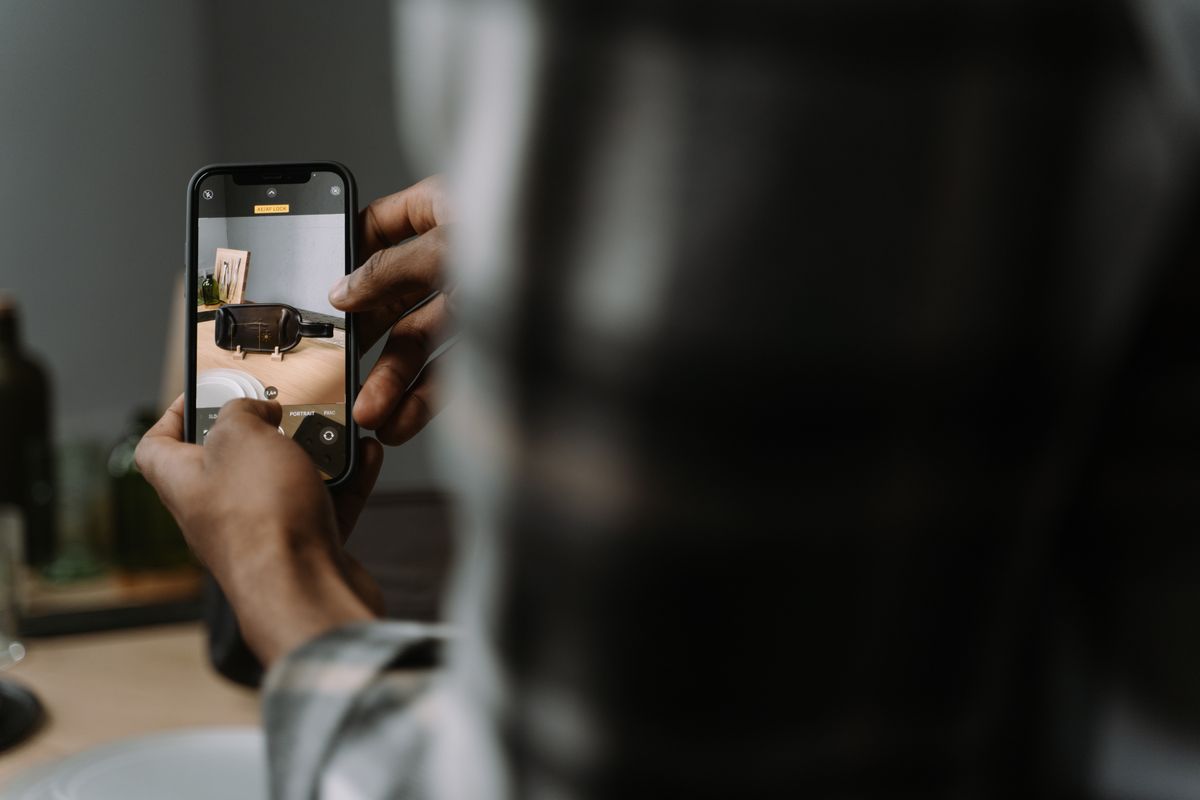
In the sphere of digital auction commerce, one truth remains absolute: bidders buy what they see. Poor, blurry, or under-illuminated photography can instantly halve the realized price of even premier historical artifacts, as hesitant buyers naturally assume the worst: hidden fractures, heavy polishing, or counterfeit markers.
Fortunately, achieving museum-quality imagery does not require multi-thousand-dollar studio setups. Modern smartphone camera optics are extraordinarily capable when paired with foundational light control and composition discipline.
Eliminate the On-Camera Flash: Master Diffused Light
The single most destructive error made by sellers is triggering the direct built-in smartphone flash:
- Frontal flash produces blistering specular hot spots on watch crystals, coin fields, and porcelain glaze, washing out surface relief.
- It casts harsh pitch-black shadows that obscure true contours.
The Professional Ambient Setup: Position your work surface adjacent to a window receiving indirect daylight (filtered through a sheer white curtain or on an overcast afternoon). On the opposite side of the item, prop up a plain sheet of white card or foam board to bounce soft fill light back into the shadows.
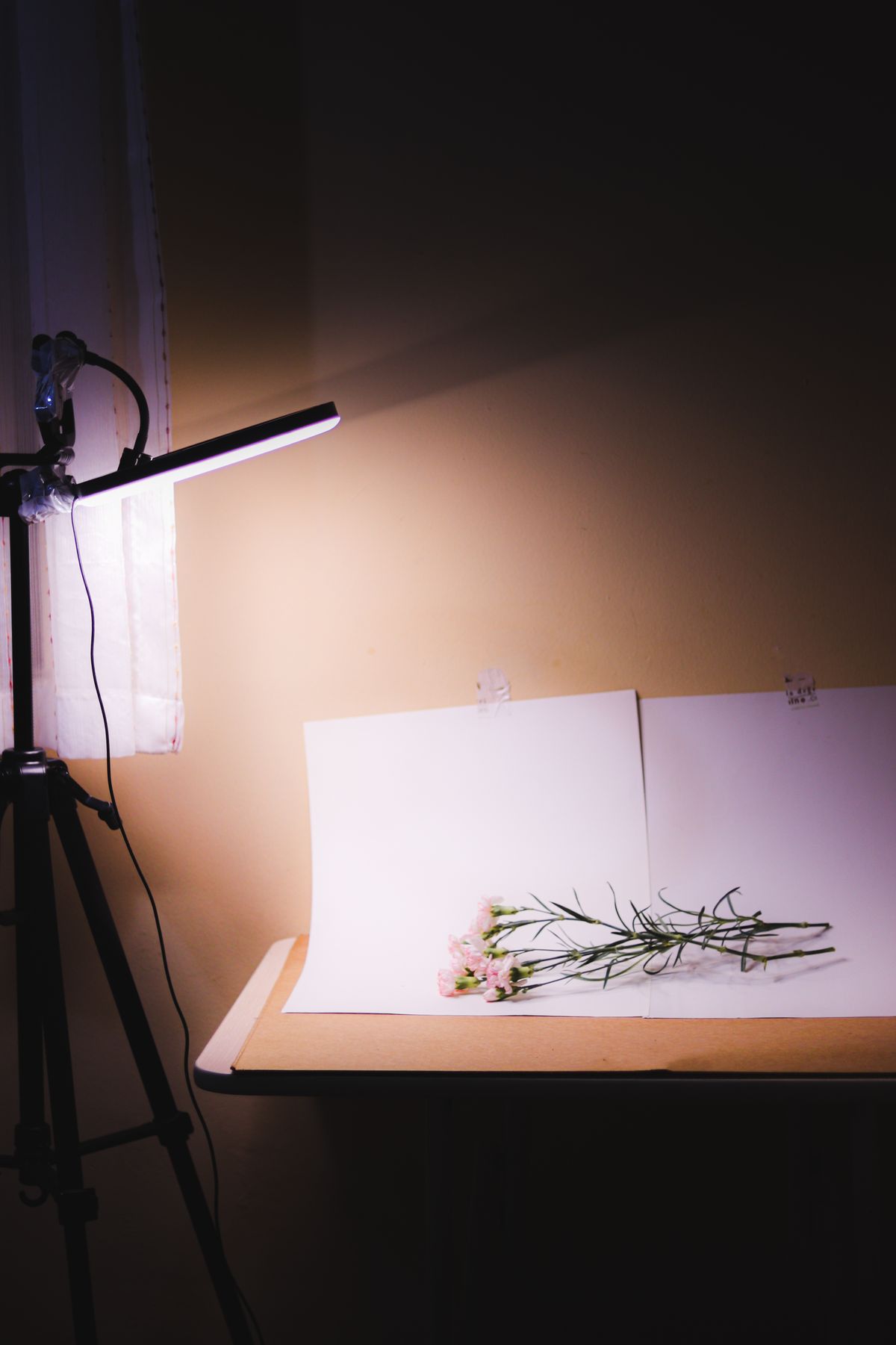
Backdrops: Neutral, Flat, and Minimalist
Cluttered carpets, patterned tablecloths, or reflective desks project amateurish carelessness and distract bidder focus:
- For coins, jewelry, and polished metal: matte slate grey cardstock or black velvet.
- For vintage paper, comics, and ceramics: unblemished heavy white poster board.
- Dust the artifact gently with a clean micro-fiber cloth or blower bulb before pressing the shutter.
Macro Focus and Sharpness: Do Not Crowd the Subject
Pushing a smartphone within two inches of a tiny coin causes lens distortion, focuses poorly, and blocks incoming light:
- Instead, retreat to 15–20 cm away and toggle your device to 2x optical zoom or dedicated macro lens mode.
- Rest your elbows firmly on the tabletop or secure the phone on an affordable mini-tripod to eliminate micro-shake blur.
- Tap the preview screen directly over the hallmark or mintmark to lock razor-sharp focus and exposure.

Mandatory Angles for Every Auction Listing
A comprehensive auction gallery requires 5 to 8 photographs:
- Direct Frontal (Obverse): Overall straight-on view.
- Direct Reverse: Complete reverse angle.
- Profile and Edges: Rim condition, comic book spine, or watch case flank and crown.
- Macro Hallmarks and Signatures: Assay stamps, factory hallmarks, serial numbers, and matrix codes.
- Honest Flaw Documentation: Macro close-up of any edge chip, hairline scratch, or tear.
The Power of Transparency: Bidders reward honesty. When prospective buyers see that a seller openly highlights a minor blemish, anxiety evaporates, empowering them to bid aggressively without fear of hidden surprises.
Post-Processing Discipline
Never apply artistic social media color filters or artificial saturation boosts. Distorted hues raise immediate red flags with experienced collectors. Limit post-production solely to cropping out unnecessary background canvas.