You have inherited a collection: what to do in the first seven days
A practical order of operations for an heir who does not know what they hold: what not to touch, how to inventory it, where the value sits, and how not to sell it all at once below value.
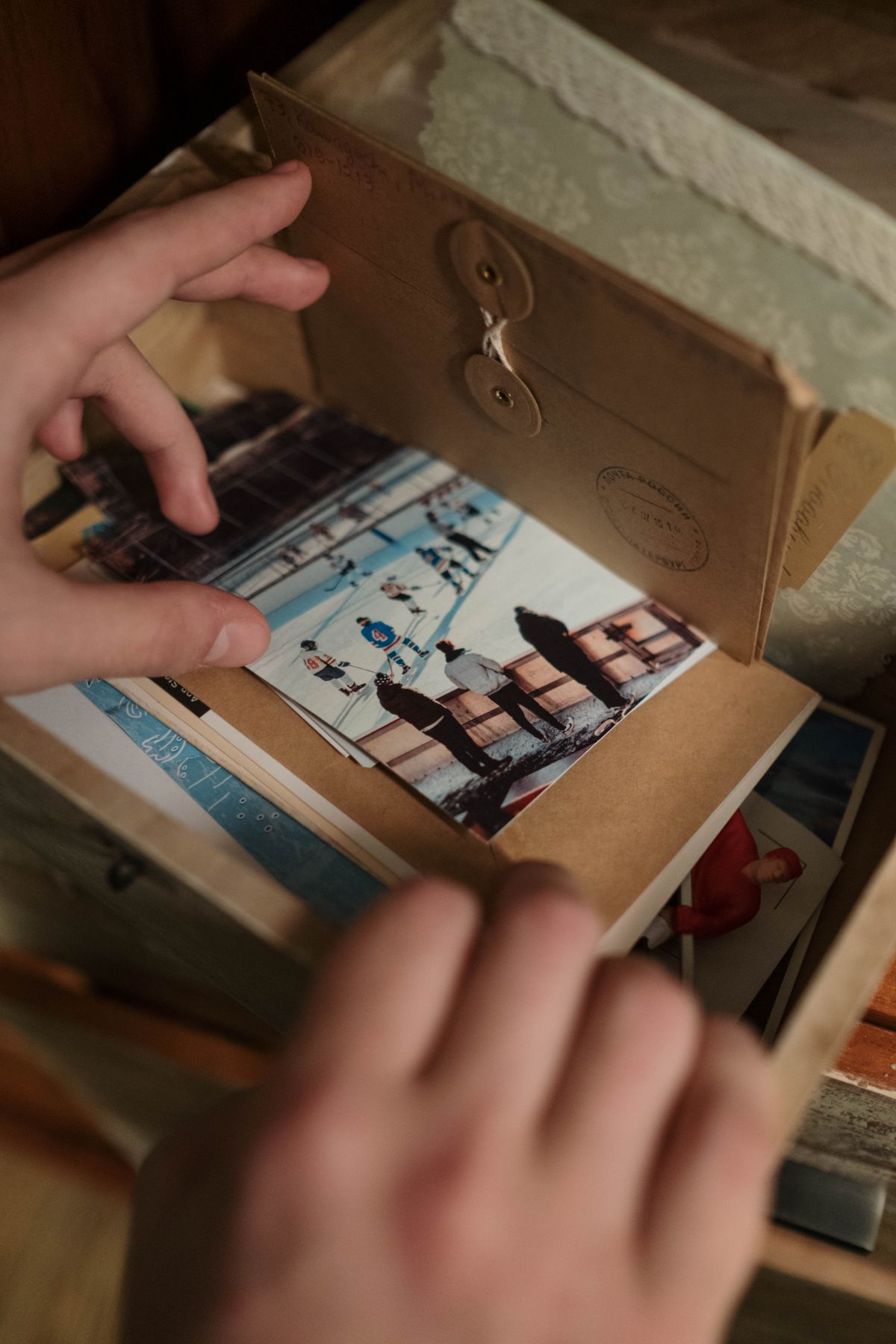
An inherited collection is a different case from a single object, and the mistake made with it is different too. With one coin, people fear underselling. With a whole collection the problem is the reverse: too many objects, no knowledge, no time — and the easiest thing is to take the lot to the first buyer or, worse, to start "tidying it up".
This is an order of operations for the first week. After that, nothing is urgent.
Day one: touch nothing
It sounds like procrastination, but it is the one step that cannot be undone later.
- Do not clean. Not the coins, not the medals, not the watches, not the brass. Every intervention shows and every one is penalised — there is a whole piece on it.
- Do not remove anything from capsules, albums or original cases. Packaging is part of the object, and a fingerprint on a proof coin is irreversible.
- Do not break up sets. A series, a set, a watch with its box and papers — these are wholes worth more than the sum of their parts.
- Do not throw away paper. Old receipts, auction catalogues, collector's cards, even handwritten notes — in some categories provenance is worth as much as a component.
- Do not photograph with flash. Flash flattens texture and hides exactly what a valuer looks for.
Day two: move it off the wrong surfaces
The three most expensive places in any house: a concrete floor, a radiator and a window. Damp comes up into paper and card from below; dry air beside a radiator cracks leather and glue; sunlight from a window bleaches covers and dials unevenly.
A collection can wait for months on a cupboard in a room you live in. It cannot wait a week in a cellar.
Days three and four: the inventory
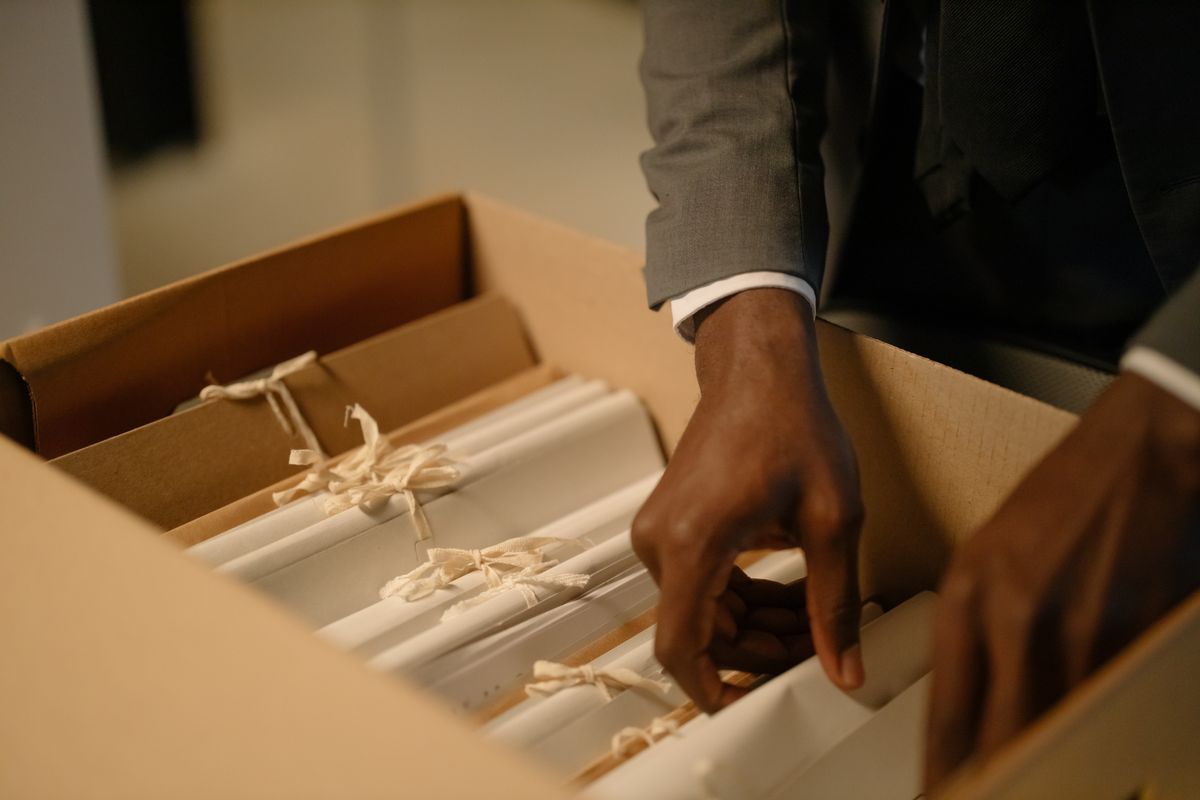
Inventory by category, not by your impression of value. Your impression is, with respect, the least reliable data in the whole story: old and large things look valuable, while rarity is often small and dark.
Separate them on a table, in groups, without mixing:
| Group | What goes in |
|---|---|
| Precious metals | anything gold or silver — it has a price floor |
| Coins | by country and period, not by denomination |
| Banknotes | separate from coins, never in the same bag |
| Decorations | with cases and documents where they exist |
| Watches | with everything that came with them |
| Everything else | books, comics, records, small antiques |
For each group note only the number of items and what is visible without a loupe. Do not appraise.
Day five: photographs
Four shots per significant item and one overview per group: daylight from the side, a flat surface, no flash. For coins and medals — both faces and the edge at an angle. For watches — the dial from above, the case back with its markings, the movement if it opens without tools.
Photographs are what turn "I have some old coins" into a half-hour conversation instead of a month-long one.
Day six: legal status, before it is too late
For three categories the check comes before any offer:
- Archaeological finds — medieval coins, antiquities, anything that could have come out of the ground. The trade is legally regulated, and an object without a documented history sells with difficulty and cheaply.
- Weapons and their parts, whatever their age.
- Decorations — the rules differ by period and by type.
This is not a formality. An object offered before the check is hard to withdraw afterwards.
Day seven: split it into three piles
This is where the one decision that really carries money gets made.
Pile one — metal. Gold and silver with no numismatic interest, damaged pieces, holes, solder. Sold by metal content, quickly and without drama. The price is global and checkable.
Pile two — lots. Everything there is a lot of and that does not repay individual handling: common years, late issues, duplicates. Grouped into lots with a logic a buyer understands — a range of numbers, one year, one condition threshold.
Pile three — individually. The five to ten per cent of objects carrying nearly all the collection's value. Everything unusual, everything in exceptional condition, and everything you are unsure about.
An heir's most expensive mistake is not selling below market. It is selling the whole collection at once at a flat price. A flat price means the rarities go out at the price of the ordinary pieces, and a buyer sees that gap immediately — which is why the offer for everything at once always exists and is always comfortable.
Two traps from opposite directions
The first: sell it all to the first buyer. Fast, simple, and almost always below the value of pile three.
The second: learn numismatics before selling anything. That takes years, and meanwhile the collection sits, absorbs damp, and gets divided among heirs.
The middle is simple: sell the metal and the lots straight away and without regret, and put that five per cent into open bidding. For an object whose value you do not know, auction is not a risk but the opposite of one: the price is set by two interested buyers rather than by your assumption.
What to bring to a valuation
The inventory by group, the photographs, every piece of paper that came with the objects, and one sentence of history: whose it was, roughly when it was collected, whether anything was sold earlier. That is all. The rest is the valuer's job.