Journal
Guides to buying, valuing and selling collectibles in Serbia.
Every article belongs to one section, by type of item. Tags cut across sections: what you want to do, which period and which metal.
You have inherited a collection: what to do in the first seven days
A practical order of operations for an heir who does not know what they hold: what not to touch, how to inventory it, where the value sits, and how not to sell it all at once below value.
Read
Where numismatics ends and metal begins
Every silver coin has two prices. How to calculate the lower one in a minute, what lifts a coin above it, and why 1938 silver and the Yugoslav commemoratives rarely go past metal.
Read
Gold coins of the Kingdom of Serbia: the milandor, the Union standard and real value
Serbian gold from 1879: which pieces exist, why they weigh the same as a napoléon, how the price is calculated, and how to spot a cast copy.
Read
Cleaning Antique Collectibles: Why You Must Never Polish Off Natural Patina
The most expensive mistake in antique selling: how abrasive baking soda, acid baths, and polishing pastes destroy patina and erase 90% of market value.
Read
How to Photograph Collectibles for Online Auctions Using a Smartphone
Practical guide to smartphone product photography for antiques, watches, and comics: natural lighting, sharp macro focus, backdrops, and disclosing flaws.
Read
Safe Online Trading: How Digital Auctions and Post Express Deliveries Work
Secure distant commerce guide for collectors: buyer and seller protection, dispute prevention, and bulletproof packaging rules for Post Express in Serbia.
Read
Auction vs. Fixed Price: How to Maximize Revenue When Selling Rarities
Why selling collector items via classified ads loses money: the psychology of bidding wars, smart starting reserves, and optimal timing strategies.
Read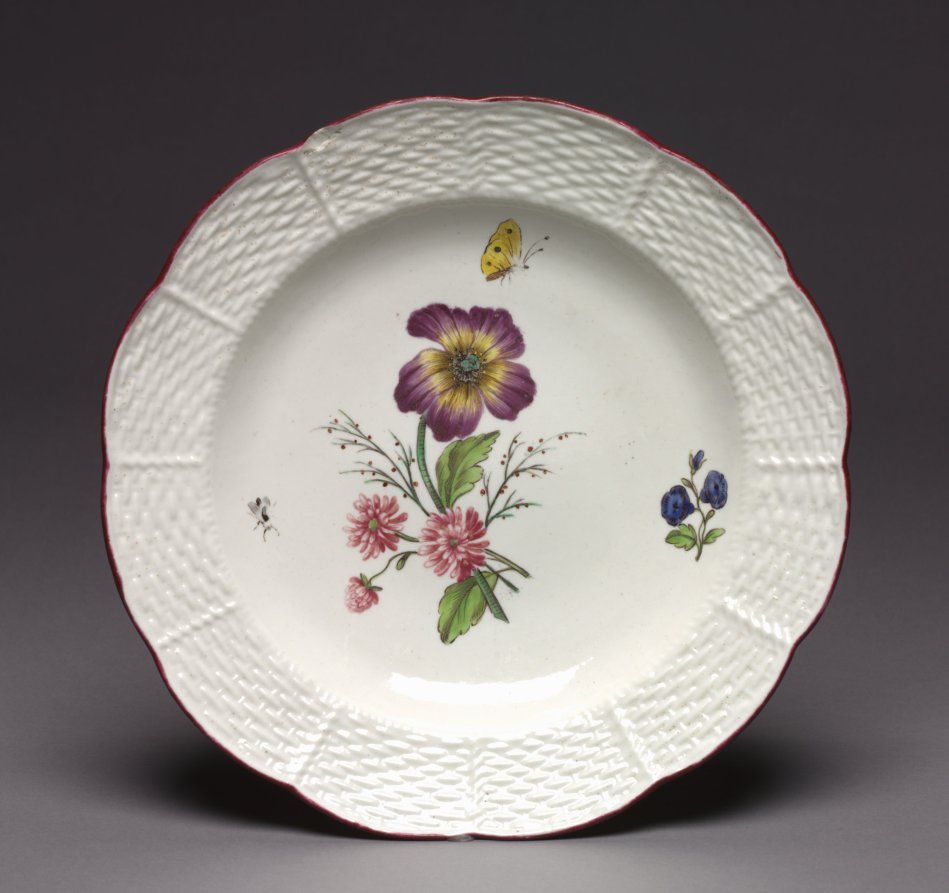
Porcelain, Crystal, and Brass Treasures: How to Identify Genuine Antiques
Distinguish valuable European porcelain, heavy lead crystal, and patinated brass from common vintage kitchenware: hallmarks, resonance, and patina preservation.
Read
Valuable Vintage Yugoslav Toys: Mehanotehnika, Tinplate Cars, and Retro Dolls
Nostalgia turned into investment: why vintage toys from socialist Yugoslavia (Mehanotehnika, Biserka) are commanding hundreds of euros at auction.
Read
Vintage Turntables and Speakers: What Is Worth Restoring and Selling
Guide to vintage analog Hi-Fi: iconic turntables (Thorens, Technics, Dual), classic loudspeakers (Ei Niš, Canton), repairability and market values.
Read
Vinyl Record Grading Explained (Mint, VG+, VG): Why Condition Means Everything
Master the Goldmine grading system for vinyl records: breakdown of M, NM, VG+, VG condition grades, visual inspection under light, and avoiding grading disputes.
Read
EX-YU Rock and New Wave on Vinyl: High-Value First Pressings of Jugoton & RTB
Why Paket aranžman, Šarlo Akrobata, Idoli, and early EKV LPs are the most sought-after vinyl records in the Balkans: pressings and auction prices.
Read
Buying and Selling Vinyl Records: What LP Albums Collectors Look For
Vinyl collector manual: identifying valuable LPs, classic rock, EX-YU New Wave, first pressings from Jugoton & PGP RTB, and condition grading rules.
Read
Фото: Pinki · CC BY-SA 4.0 · Wikimedia Commons
Valuable WWII Yugoslav Partisan Insignia: Order of the People’s Hero and Partisan Star
Comprehensive guide to Yugoslav partisan phaleristics: 1941 Commemorative Medal serials, gold orders, and why early 1944 Moscow Mint strikes lead the market.
Read
Europeana 1914–1918 · CC BY-SA 3.0
Selling Military Orders and Medals: Valuing Serbian and Yugoslav Decorations
Phaleristics collector guide: how to evaluate Order of the White Eagle, Karageorge Star, Saint Sava, and rare Yugoslav socialist medals with documents.
Read
Фото: KKPCW · CC BY-SA 4.0 · Wikimedia Commons
1993 Hyperinflation: Are Yugoslav 500 Billion Dinar Banknotes Valuable?
Myths and facts about FR Yugoslavia’s extreme currency: market value of the 500 billion dinar note, original bank bricks, and true collector rarities.
Read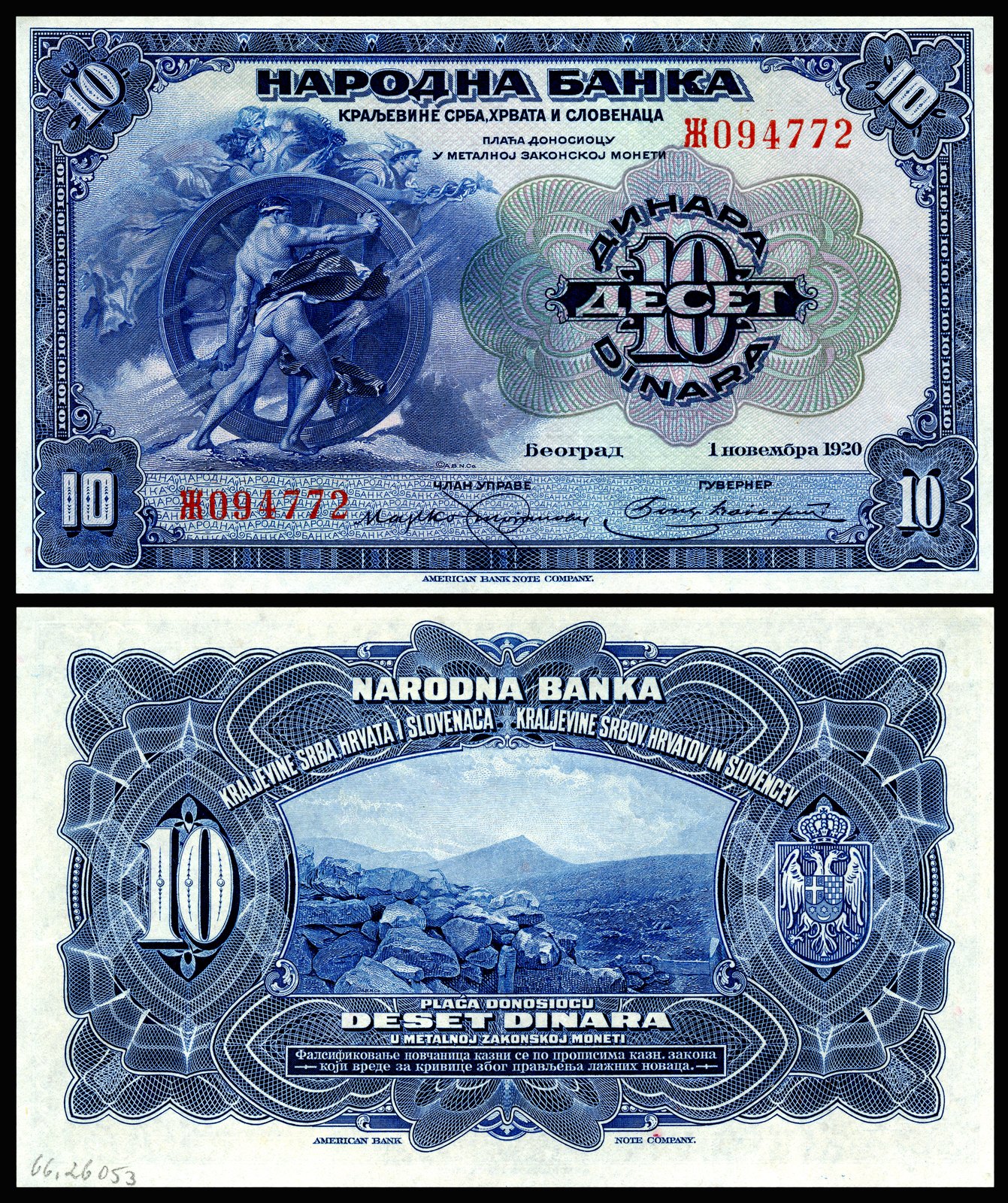
National Museum of American History (Smithsonian) · общественное достояние
Rare Banknotes of the Kingdom of Serbia and Occupation: High-Value Rarities
Guide to the rarest Serbian paper money: from the iconic 1884 100-dinar note to wartime emergency overprints of 1941–1944 that command thousands of euros.
Read
Selling Antique Banknotes: Guide to Paper Currency of Serbia and Yugoslavia
How to identify valuable vintage banknotes, decode international grading standards (UNC, XF, VF), and sell paper money safely to serious collectors.
Read
Rare Yugoslav SFRJ Coins: Are Old Dinar Coins Worth More Than Face Value?
Collector guide to socialist Yugoslav coins: key dates, trial strikes, condition grading, and why 1950s aluminium dinars in mint state fetch serious money.
Read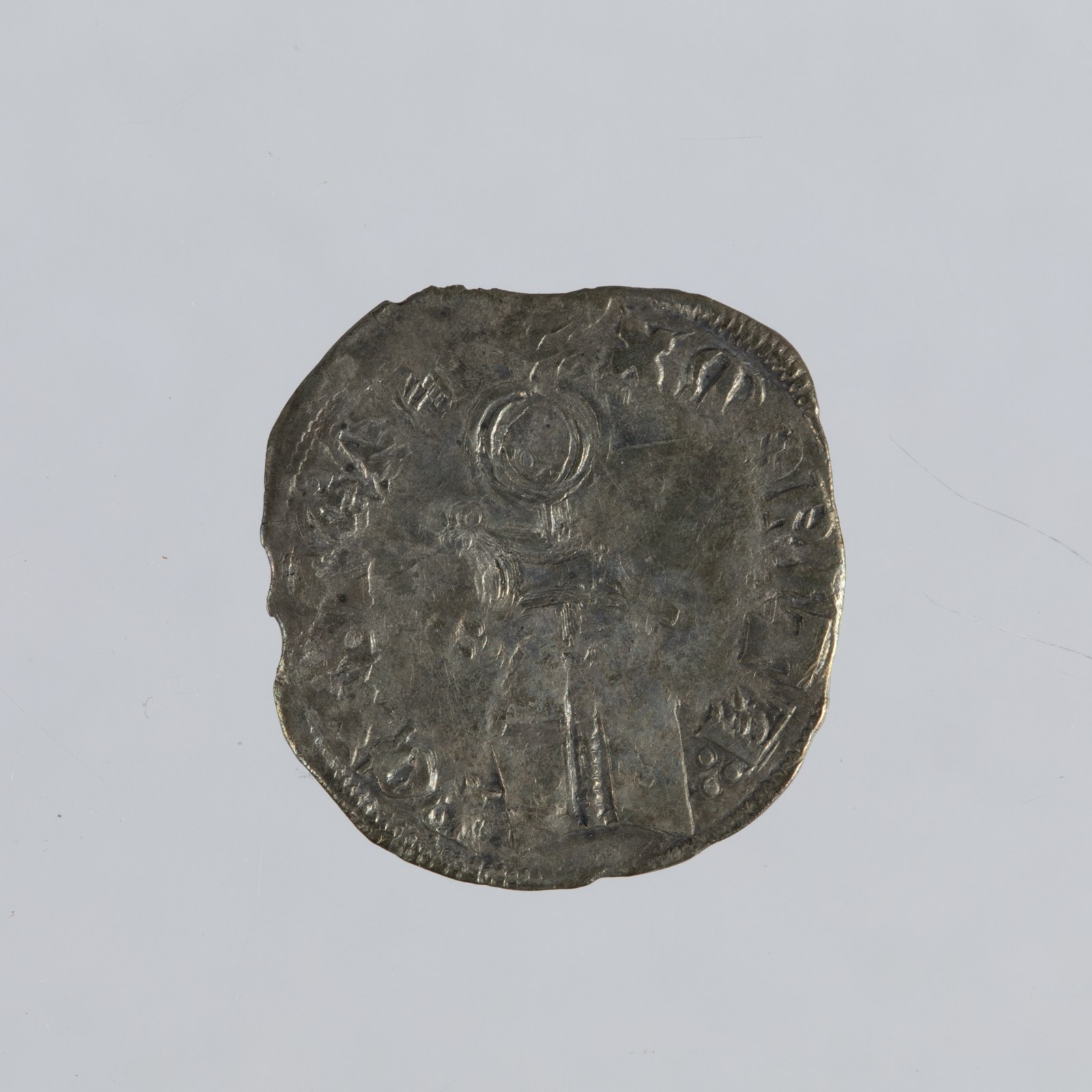
Muzeul Național de Istorie a României · CC BY 4.0 · Europeana
Medieval Serbian coinage: Nemanjić dinars and what they are worth
Who struck them, where, and on what model; how hammered coinage is recognised; and why documented provenance decides whether this category sells at all.
Read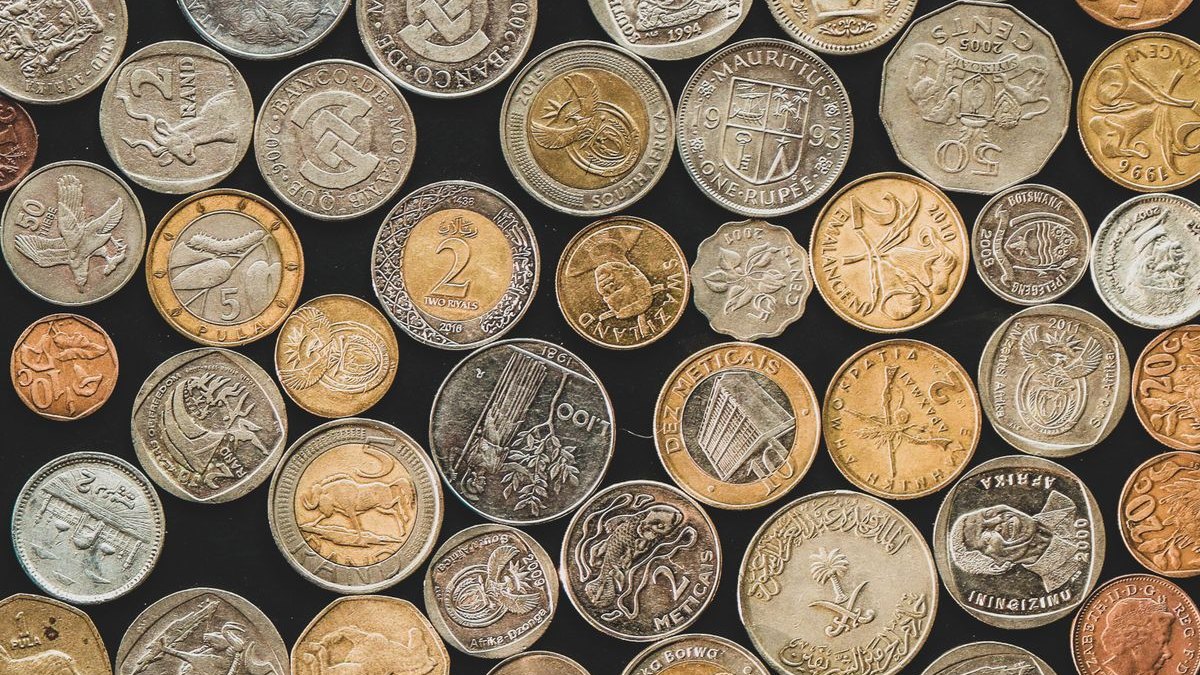
Coins of the Kingdom of Serbia and the SHS: what silver dinars are worth
Royal-period silver from 1875 to 1938: what makes one year worth many times another, how wear is assessed, and which varieties collectors chase.
Read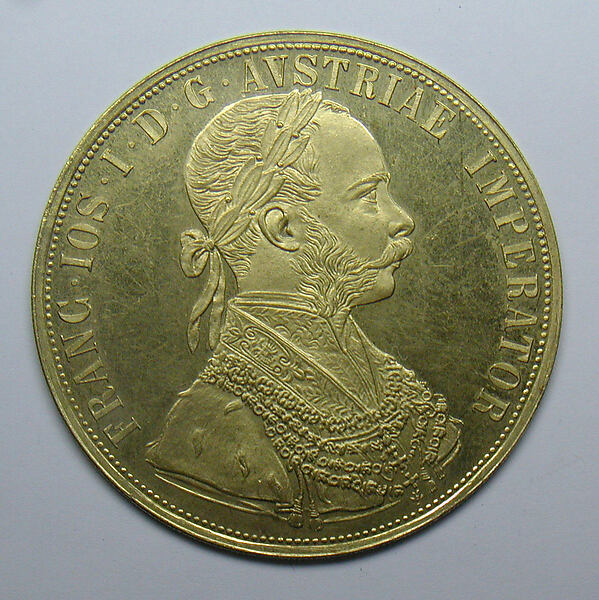
Small and large Franz Joseph ducats: fineness, weight and how value is calculated
The Austro-Hungarian ducat standards, the difference between circulation originals and restrikes, and why the price is calculated from gold content upwards.
Read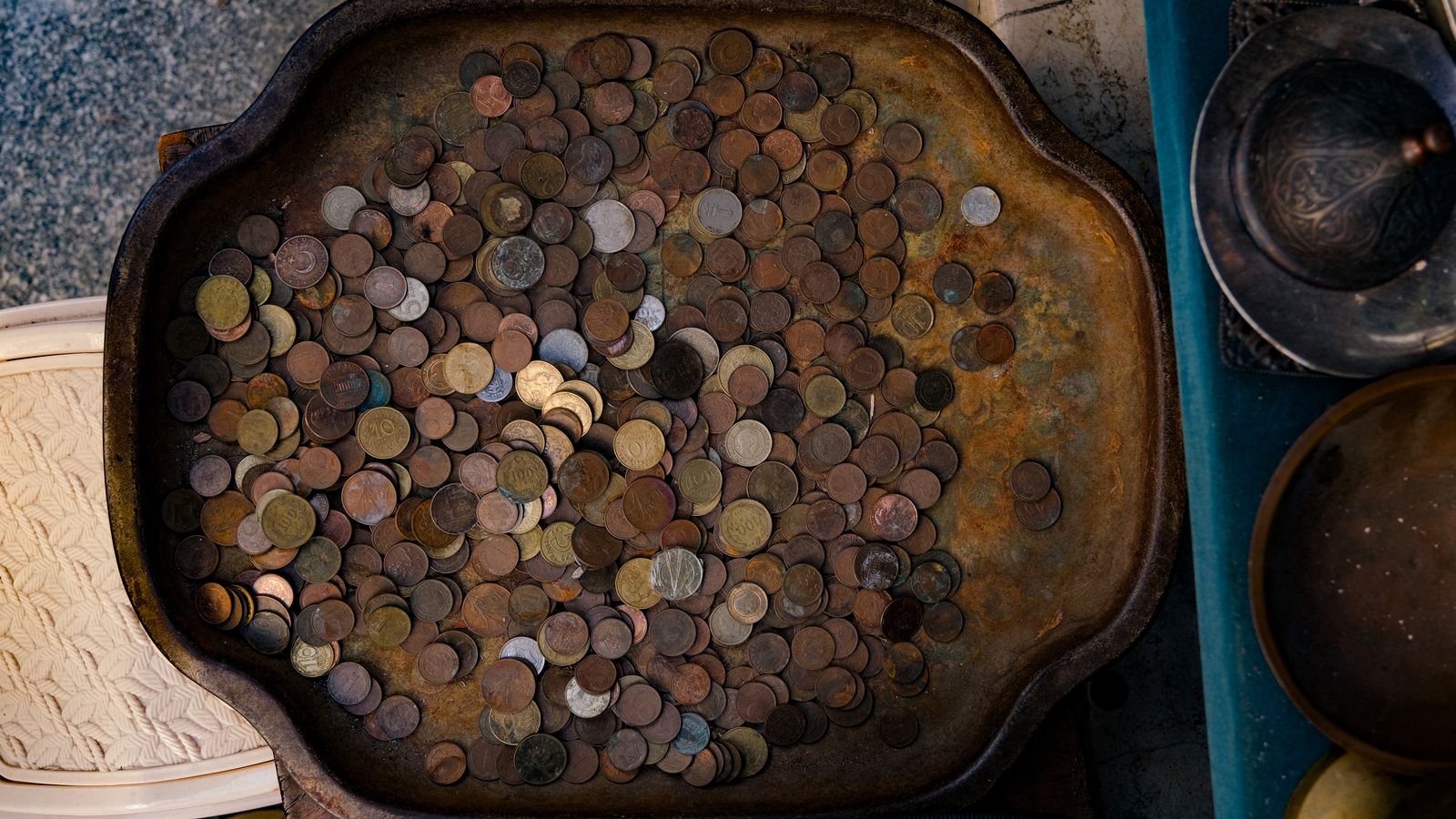
Coin valuation and buying: where and how to sell old coins safely
How a coin price is formed, why cleaning destroys value, how to spot a copy, and which sales channel suits which kind of money.
Read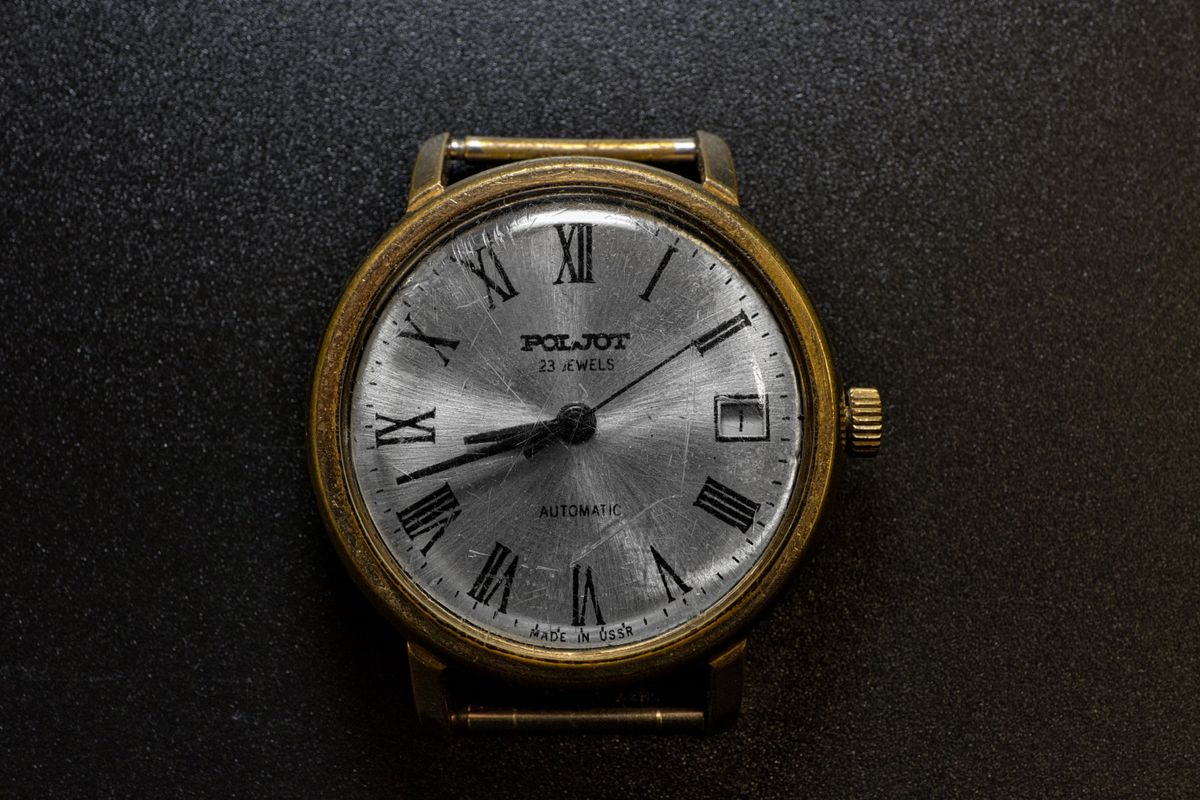
Soviet mechanical watches in Serbia: Poljot, Raketa, Vostok — what has value?
Why ninety per cent of Soviet watches are cheap, which models break away from the pack, and how to spot a watch assembled from parts — this market’s commonest problem.
Read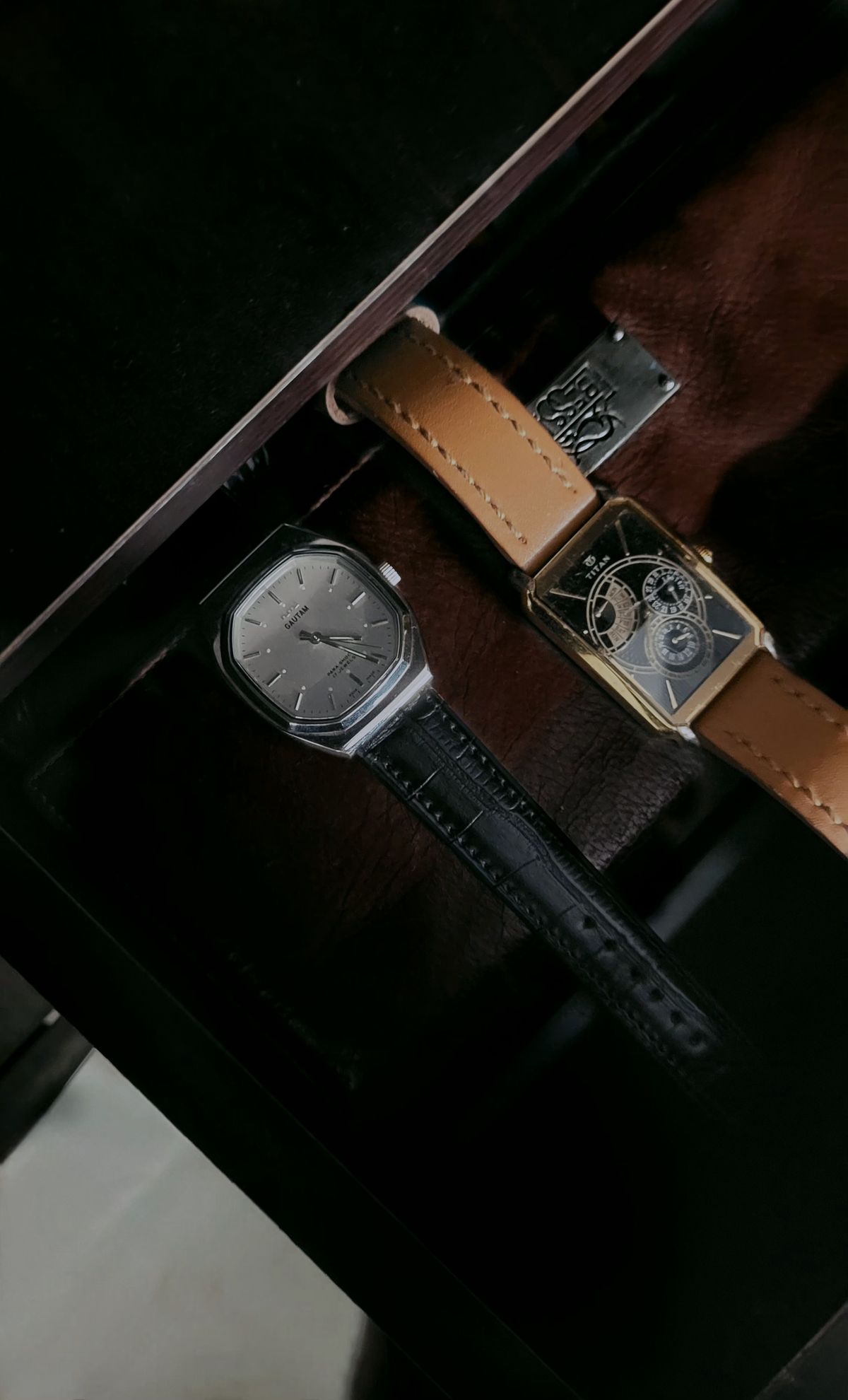
Vintage Swiss watches: verifying an original and checking the movement
Serial numbers, calibres and fineness hallmarks: the practical checks before buying or selling, and why an "assembled" watch is a commoner problem than a fake.
Read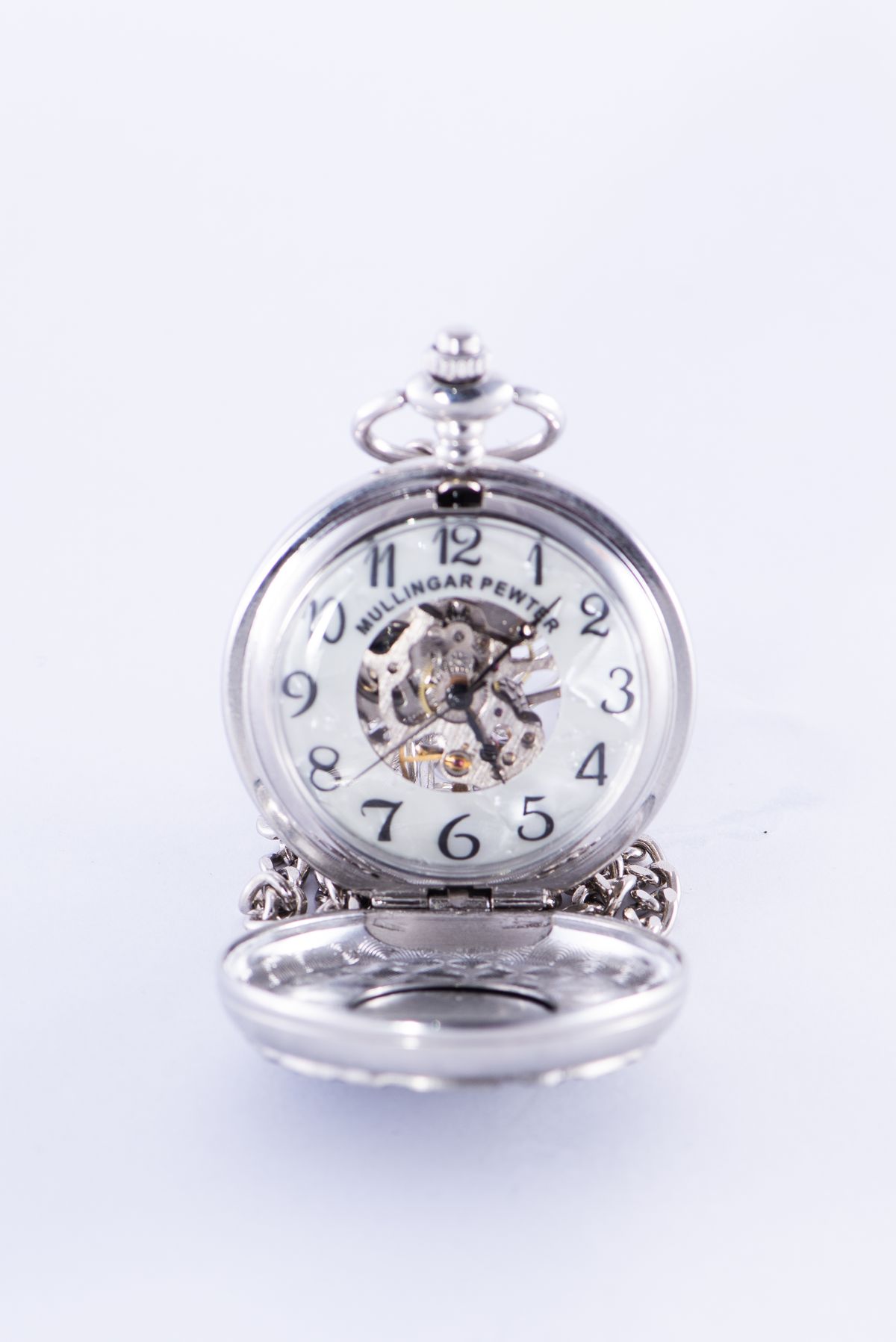
Railway pocket watches (JDŽ / JŽ): spotting originals and what collectors want
Service watches of the Yugoslav railways: who supplied the movements, what the case-back markings mean, and why the engraving is sometimes worth more than the watch.
Read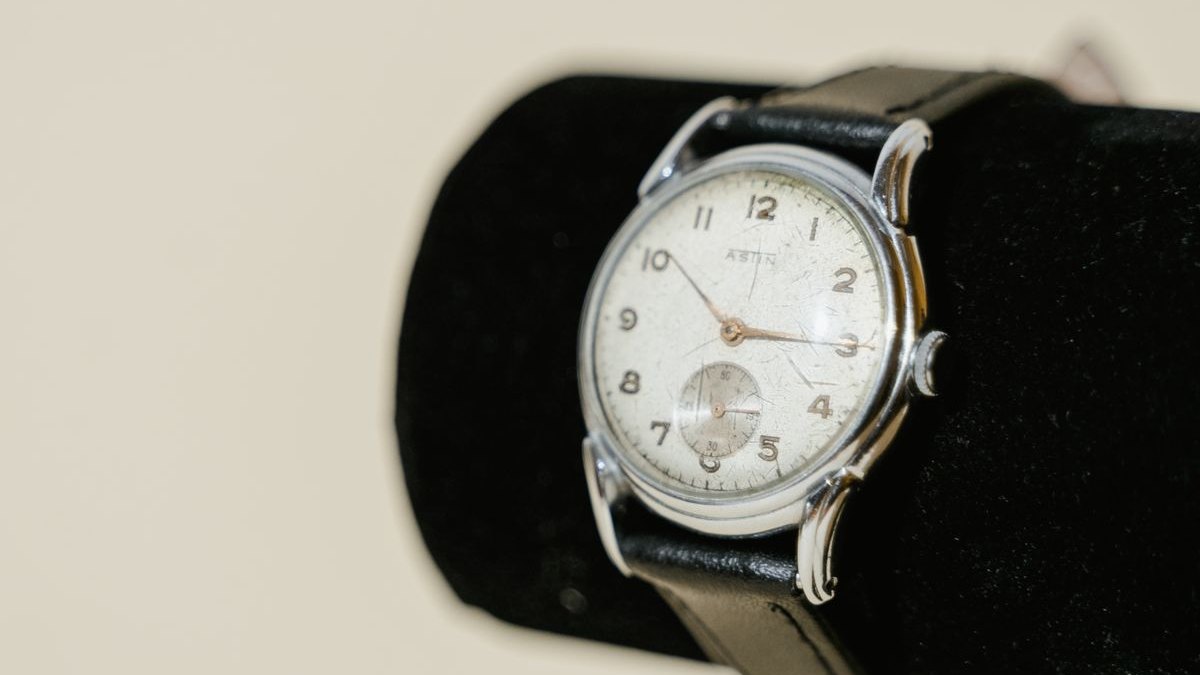
Darwil watches: history, models and what they really fetch
The most widespread watch of the Yugoslav era: which versions collectors actually want, why most are worth little, and how not to sell a gold case at plated prices.
Read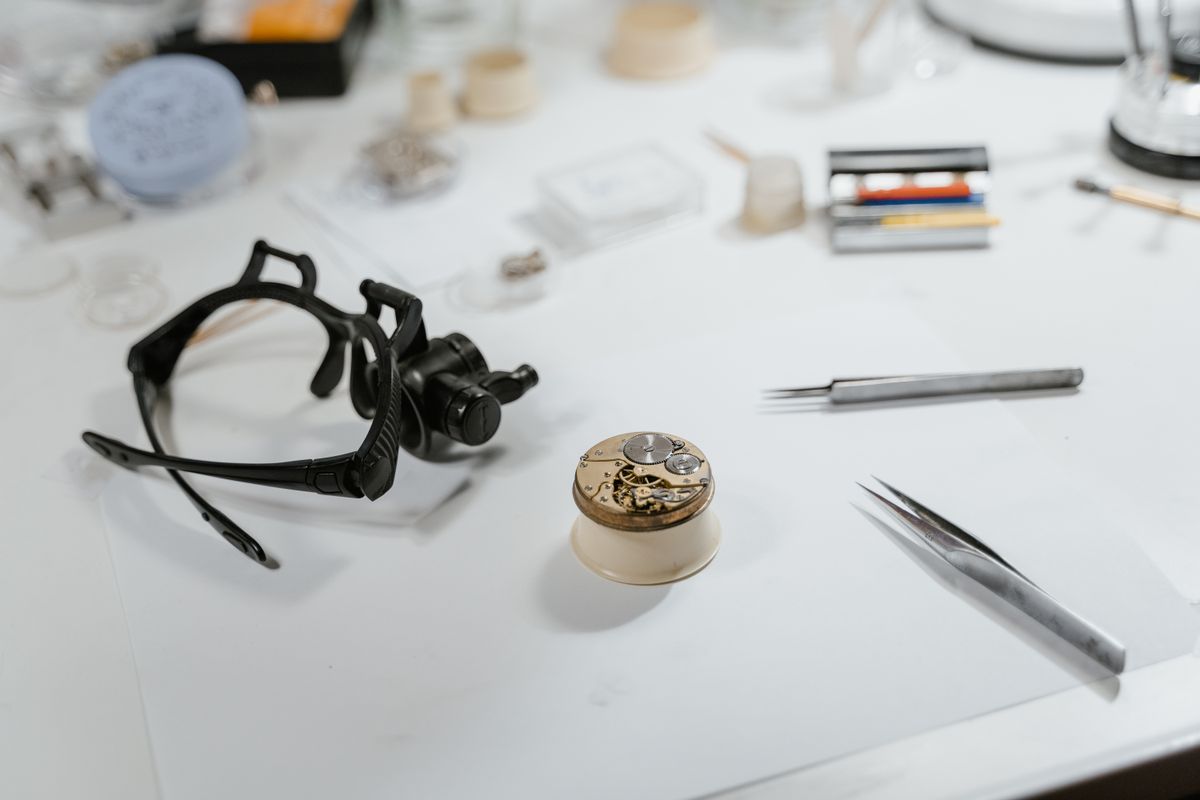
Selling old watches: a guide for owners of mechanical and pocket watches
How to assess an inherited watch before selling: what a buyer actually examines, why servicing beforehand often lowers the price, and when auction beats a direct sale.
Read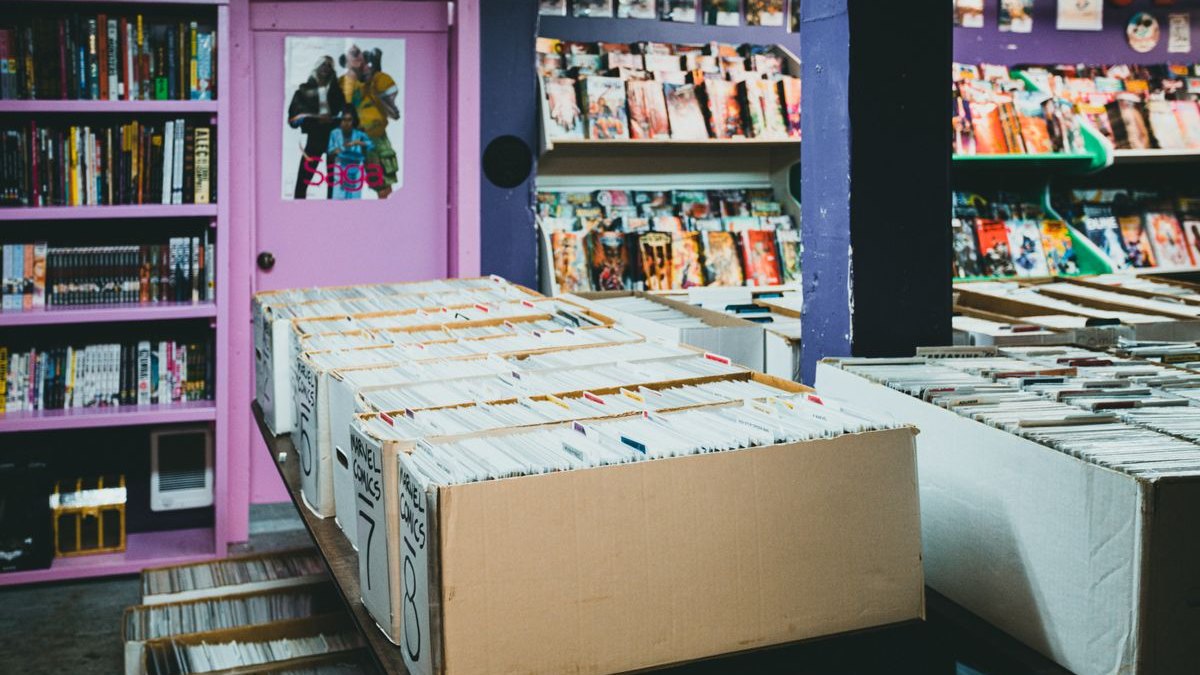
Zagor and Dylan Dog: why Bonelli comics are still the most in demand
Broad demand, enormous print runs and therefore modest prices — how the Bonelli titles still make money, and which copies break away from the average.
Read
Comic condition (glanc, 5-, 4): how preservation sets the price
The Balkan grading scale explained plainly: what each grade means, which defects cost the most, and how to describe condition so no buyer asks for a refund.
Read
Zlatna serija and Lunov Magnus Strip: a guide to the issues people look for
The two highest-circulation runs from Novi Sad's Dnevnik: where the line between ordinary and rare sits, how condition is graded, and what is genuinely worth selling individually.
Read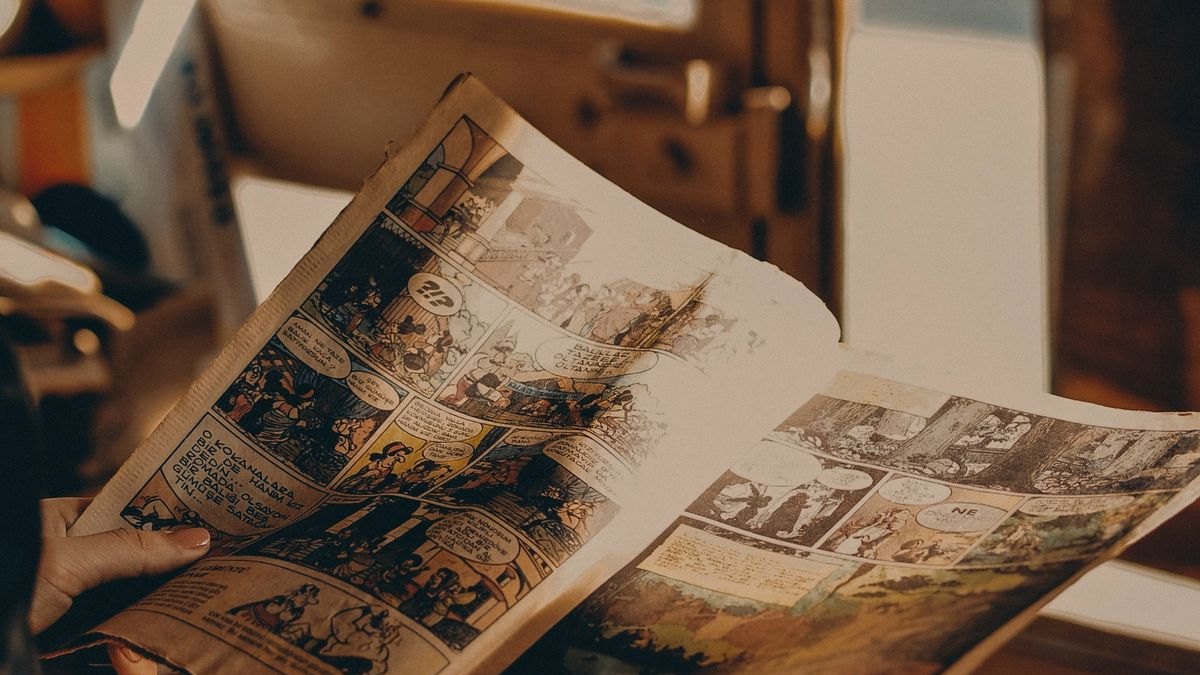
Which Alan Ford issues are actually worth money: a guide to the Vjesnik editions
Why Alan Ford is worth more here than in Italy, which issues carry the value, how to tell an original from a reprint, and what is worth selling individually.
Read
Selling old comics in Serbia: how to value a collection and where to sell it
Which inherited comics actually carry value, how condition moves the price, and which sales channel returns the most — without the attic-treasure myths.
Read