Selling Antique Banknotes: Guide to Paper Currency of Serbia and Yugoslavia
How to identify valuable vintage banknotes, decode international grading standards (UNC, XF, VF), and sell paper money safely to serious collectors.
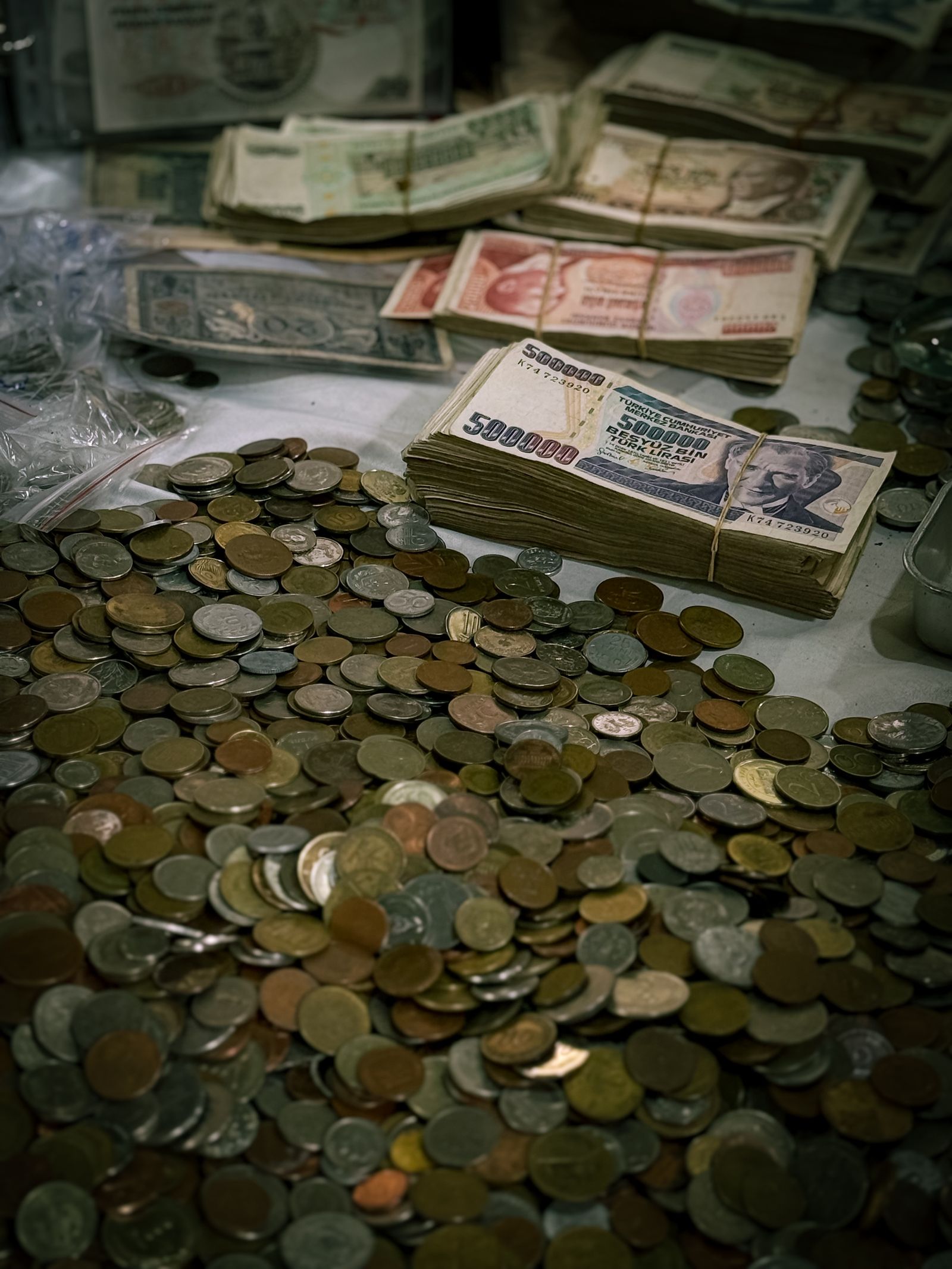
Antique banknotes often spend decades tucked away in drawers, family albums, or between the yellowed pages of old books. Unlike metal coins, paper currency is fragile: it wears down, soils, tears, and frays at fold lines. Because of this vulnerability, surviving banknotes from Serbia and the former Yugoslavia in prime condition are vigorously pursued by notaphilists worldwide.
This guide outlines what creates true value in antique banknotes, which historic eras generate the highest collector interest, and how to achieve the best sale price.
The Three Pillars of Banknote Valuation
Whether an old banknote is worth a modest sum or thousands of euros depends on three core elements:
- Issue Rarity: Some banknote issues were printed in massive runs and remained in circulation for decades. Others were withdrawn after mere months or lost during wartime upheaval.
- Condition (Grading): Paper currency grading is uncompromising. A single central fold from being carried in a wallet drops a note from pristine UNC down to XF, frequently reducing market value by half.
- Special Attributes: Low serial numbers (e.g. 000001), repeating radar patterns, specific prefix blocks, or official specimen overprints.
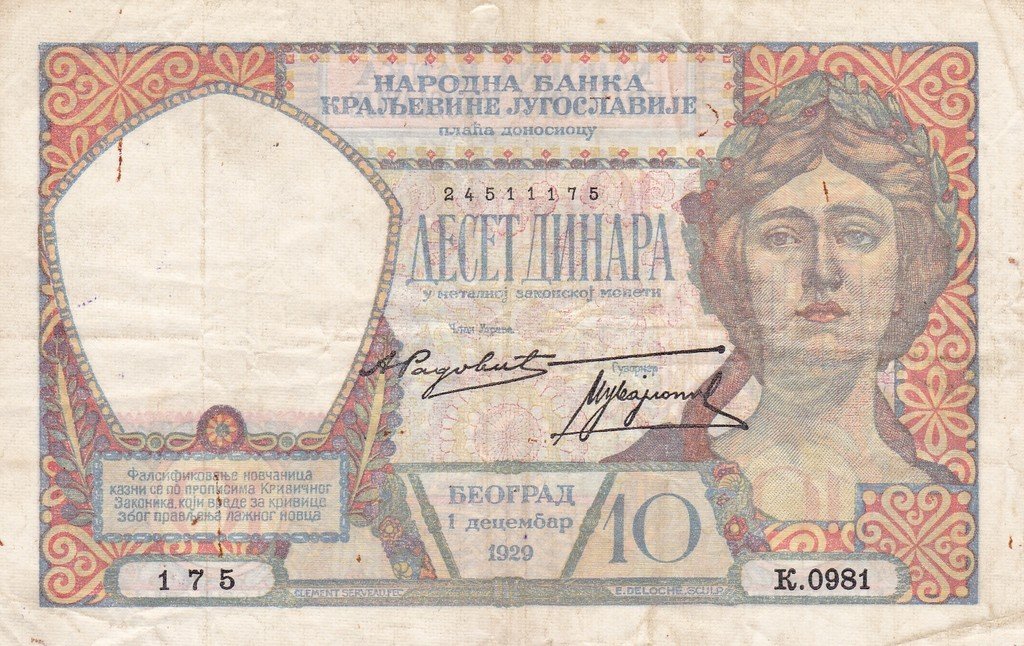
Narodna banka Kraljevine Jugoslavije · общественное достояние · Wikimedia Commons
International Banknote Grading Standards
Specialists grade paper money using established criteria:
- UNC (Uncirculated): Fresh from the printing press. Crisp, firm cotton paper, sharp 90-degree corners, and no handling folds or blemishes.
- aUNC / AU (About Uncirculated): Nearly flawless, with only a minor corner crease or light bank handling mark.
- XF (Extremely Fine): Up to three light folds, but the paper retains its original firmness and crisp color.
- VF (Very Fine): Moderate circulation evidence, visible creases, and softened edges, but no paper loss or tears.
- VG / G (Very Good / Good): Heavily circulated note with rounded corners, edge tears, or pinholes along fold intersections. Valuable only for supreme rarities.
Most Desirable Eras and Issues
The collector market shows the strongest appetite for:
- Principality and Kingdom of Serbia (1876–1918): Early issues of the Privileged National Bank of the Kingdom of Serbia, engraved and printed by the Banque de France in Paris. Denominations of 10, 50, and 100 dinars represent top-tier collectibles.
- Kingdom of Serbs, Croats and Slovenes / Yugoslavia (1919–1941): Large-format artistic banknotes designed by celebrated painters, including Paja Jovanović.
- WWII Occupation Emissions (1941–1944): Notes issued by the Serbian National Bank under German administration, partisan local scrip, and regional wartime emergency notes.
- Early Post-War Issues (1945–1955): The earliest democratic and federal Yugoslav dinars printed in Moscow and London.
Фото: Runner1928 · CC BY-SA 3.0 · Wikimedia Commons
The Myth of Hyperinflation Banknotes
Nearly every home in Serbia has bundles of notes from the 1993 hyperinflation era, featuring 500 billion dinar face values. While historically fascinating, vast quantities were preserved uncirculated, keeping their market price modest unless they carry rare printer trial stamps or error cuts.
How to Safely Value and Sell
Before selling your paper money:
- Never iron folded notes or wash stains with domestic detergents. Heat permanently flattens paper embossing and is instantly detected by experienced collectors.
- Photograph banknotes in natural daylight without flash, clearly showing the corners and borders.
- Check the year, the series and the governor’s signature — they determine the variety.
- Utilize open online auction platforms where collectors openly bid against one another, ensuring maximum market realization.