Selling Military Orders and Medals: Valuing Serbian and Yugoslav Decorations
Phaleristics collector guide: how to evaluate Order of the White Eagle, Karageorge Star, Saint Sava, and rare Yugoslav socialist medals with documents.
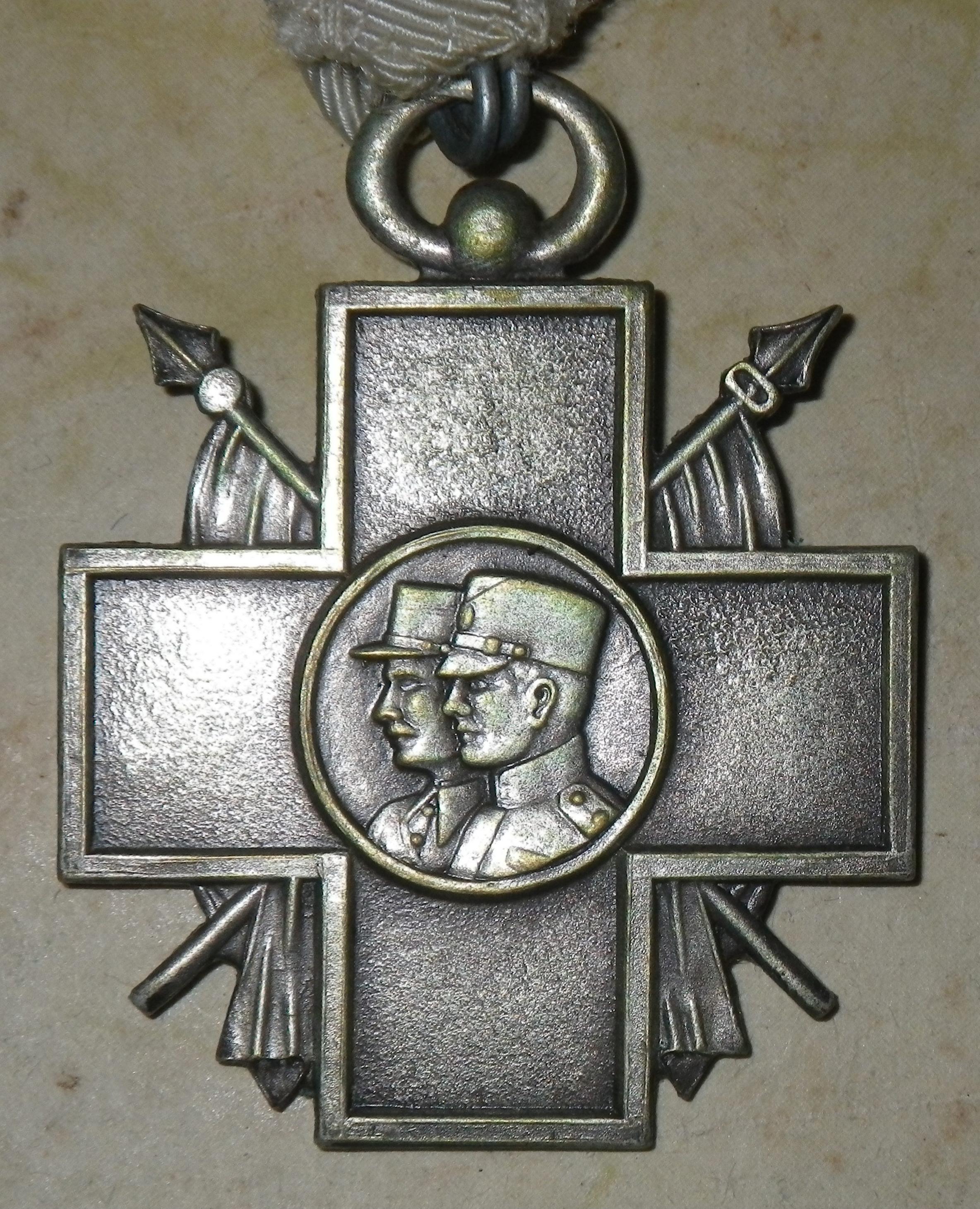
Europeana 1914–1918 · CC BY-SA 3.0
Phaleristics — the study and collecting of military orders, medals, and campaign insignia — represents one of the most vibrant sectors of historical militaria. Throughout the turbulent conflicts of the 19th and 20th centuries across Serbia and the Balkans, almost every household preserved campaign crosses, bravery medals, or inherited orders.
Market values span from small sums for mass-issued postwar civilian labor medals up to thousands of euros for scarce, high-class officer decorations with swords.
Three Crucial Factors Determining Medal Value
Phaleristics specialists evaluate decorations against three strict standards:
- Rarity and Class (Degree): Most historic orders featured hierarchical classes (from 5th Class knight crosses up to 1st Class Grand Cross stars with sashes). High-tier insignia were conferred in strictly limited numbers and command superior premiums.
- Manufacture and Enamel Preservation: Insignia were produced by renowned European ateliers — Huguenin Frères (Switzerland), Arthus-Bertrand (Paris), Rothe & Neffe (Vienna), and later ZIN (Belgrade) and IKOM (Zagreb). Vitreous enamel is brittle; chips, cracks, or enamel loss substantially lower values.
- Completeness: A medal accompanied by its original moire silk ribbon, maker-stamped presentation case, and authentic award diploma (ukaz) represents the ultimate collector package.
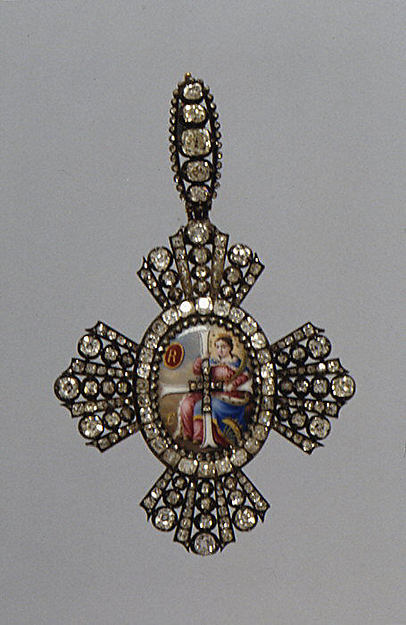
Premier Insignia of the Kingdom of Serbia and Yugoslavia
The highest collector enthusiasm centers around:
- Order of the Star of Karageorge (with swords): Serbia's preeminent military honor instituted in 1904. The officer grades and the enlisted Golden Cross for bravery in WWI are globally recognized milestones.
- Order of the White Eagle: Masterwork of heraldic jewelry, particularly valuable when awarded with crossed swords for bravery in the field.
- Order of the Cross of Takovo and Order of Milos the Great: Rare 19th-century Obrenović dynasty honors eagerly sought by major institutions and specialized collectors.
- Order of Saint Sava: Conferred for cultural, educational, and clerical achievements. While 4th and 5th classes are relatively common, 1st and 2nd class breast stars achieve high prices.
High-Value Socialist Yugoslav Orders (SFRJ)
Socialist Yugoslavia developed an imposing decorative award system. While commemorative labor medals are ubiquitous, top-echelon orders command steep auction bids:
- Order of the People's Hero
- Order of the Partisan Star (notably 1st Class with Gold Wreath)
- Order of the War Banner
- Order of the Yugoslav Star with Sash
Many early 1944–1945 strikes were manufactured by the Moscow Mint (Monetny Dvor) in solid silver, featuring hand-engraved or stamped serial numbers on the reverse.
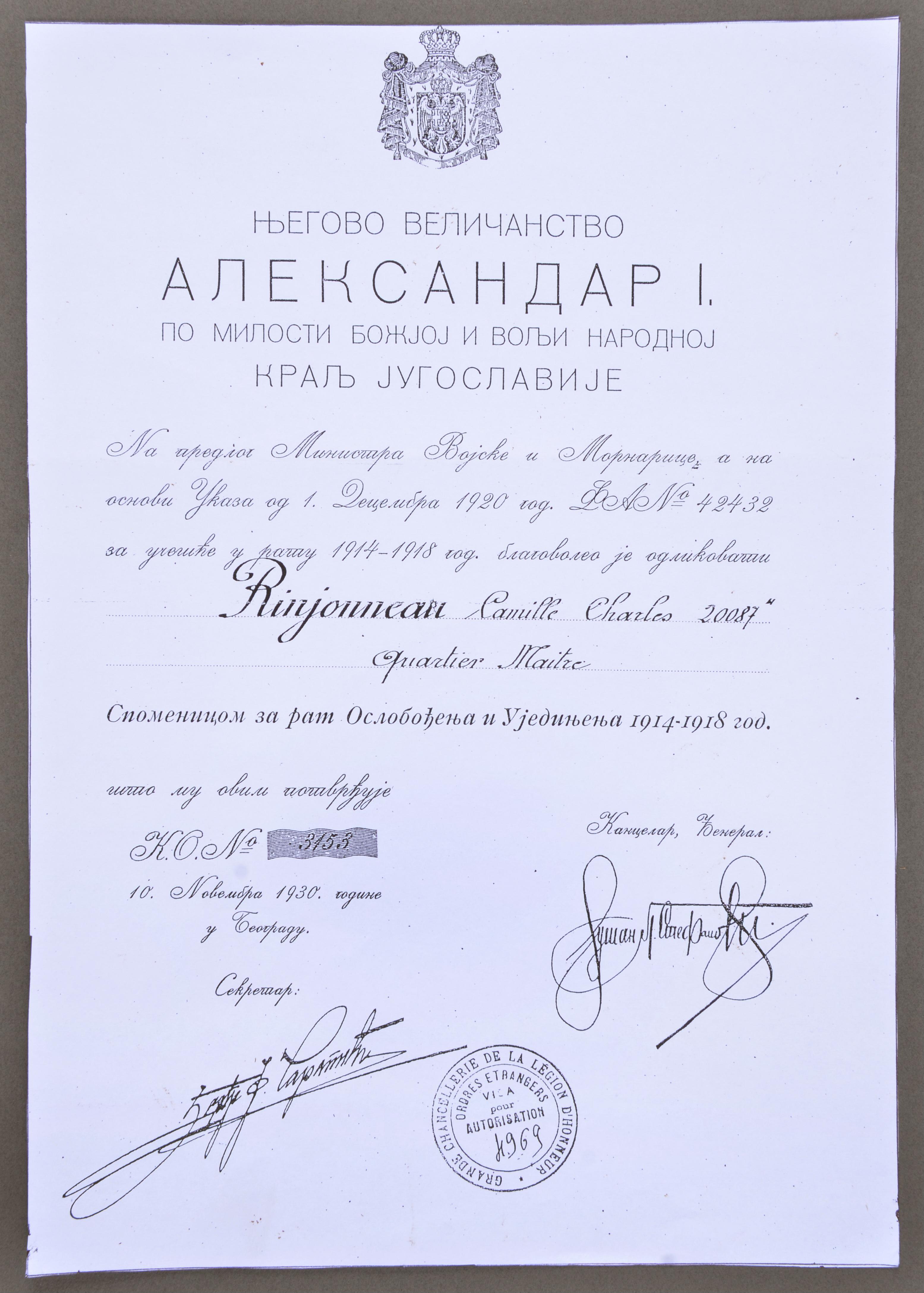
Europeana 1914–1918 · CC BY-SA 3.0
Conservation Warnings for Sellers
Never attempt amateur repairs before appraisal:
- Never repaint chipped enamel with nail polish or synthetic resins. Any modification is instantly identified by collectors and drastically hurts resale value.
- Do not scour silver or gold-plated medals with abrasive polishes. Original oxidation and patina are prime markers of age and authenticity.
Achieving Optimal Market Realization
When preparing medals for sale or auction, photograph the front, back (focusing on serial numbers and workshop hallmarks), ribbons, and accompanying diplomas. Transparent auction bidding ensures collectors across the continent compete directly for your historical pieces.