Selling old comics in Serbia: how to value a collection and where to sell it
Which inherited comics actually carry value, how condition moves the price, and which sales channel returns the most — without the attic-treasure myths.
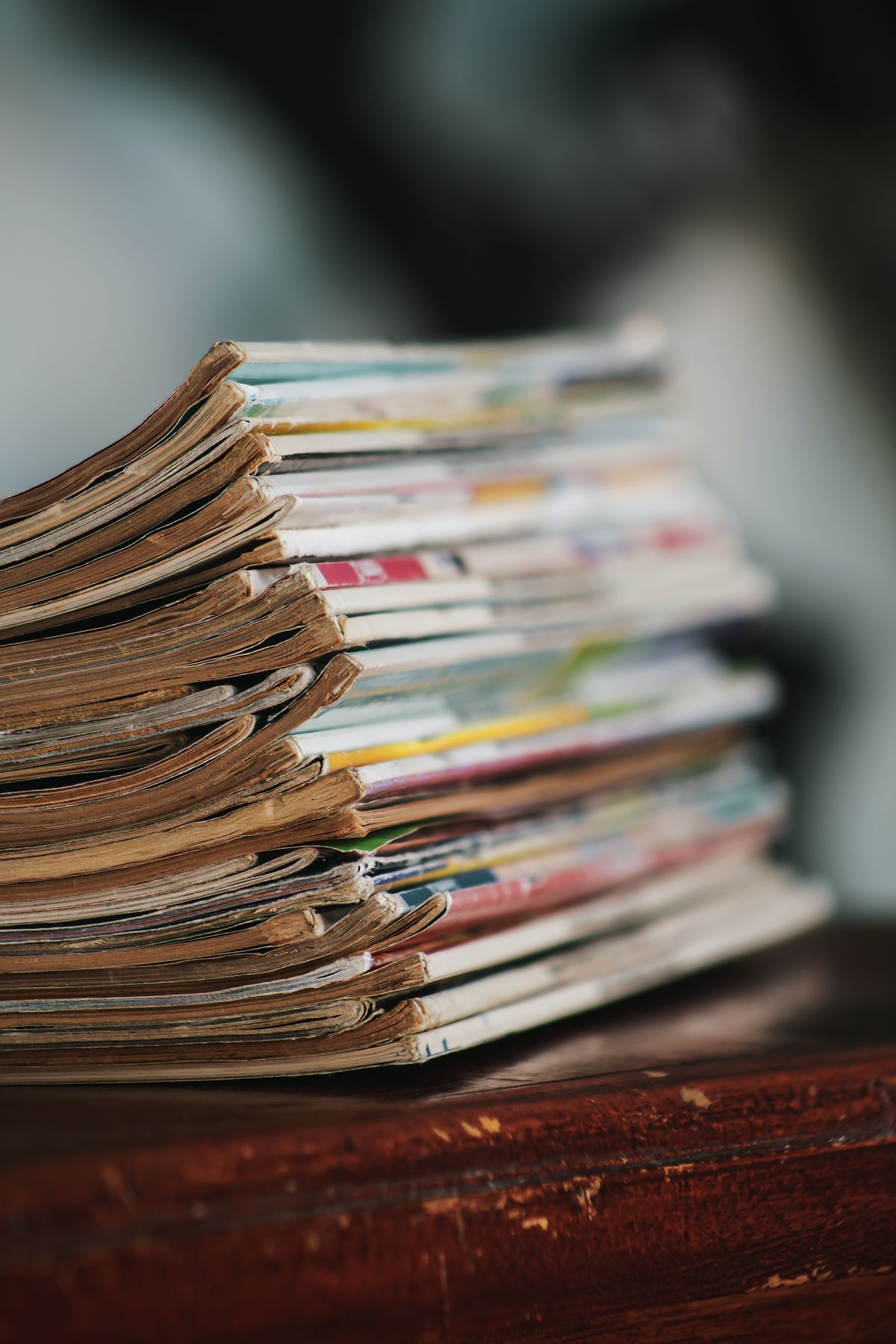
Almost every valuation starts the same way: someone clears an attic after a move or an inheritance and finds a box of comics. The first question is always whether it is rubbish or money. The honest answer is usually neither. In a typical box of two hundred issues, five to ten carry nearly all the value, and the rest sells by weight.
This piece is about telling one from the other before you sell anything — or, worse, throw it out.
Three things set the price, in this order
The edition. It is not only which character, but who printed it and when. The same Alan Ford from the 1970s published by Vjesnik and a 2000s reprint are different objects at very different prices. The colophon on the last page is the first thing to check.
The issue number. Early issues are almost always worth more than later ones, for a simple reason: print runs start small, and the reader buying them then had no idea they should be kept. The first few issues of any serious run are their own conversation.
Condition. There is a whole section below, because this is the factor owners overestimate most.
What the Serbian market actually asks for
Demand is narrower than it looks and concentrated in a handful of editions:
- Alan Ford, the Vjesnik edition — early issues and complete early runs. The value here is not only the comic but the translation: Nenad Brixy produced a version that reads locally as the original, and collectors ask for it by his name.
- Zlatna serija and Lunov Magnus Strip, published by Dnevnik of Novi Sad — roughly the first hundred issues. After that print runs grow and prices fall.
- Bonelli characters — Zagor, Dylan Dog, Mister No, Martin Mystère. Broad, steady demand, and for exactly that reason rarely expensive: a great deal was printed.
- Domestic titles — Nikad robom and the rest of the Dečje novine output, Stripoteka.
- Complete runs in even condition. A complete set is always worth more than the sum of its parts, because it saves the buyer years of hunting.
Anything outside that list is not worthless, but it sells slowly and at a price that rarely justifies listing it one issue at a time.
Condition is half the price, sometimes nine tenths
The Balkan market grades like a school mark: glanc (or 1) is a copy that looks unread, down to 5, read until it fell apart. In practice most of what turns up sits between 2 and 4.
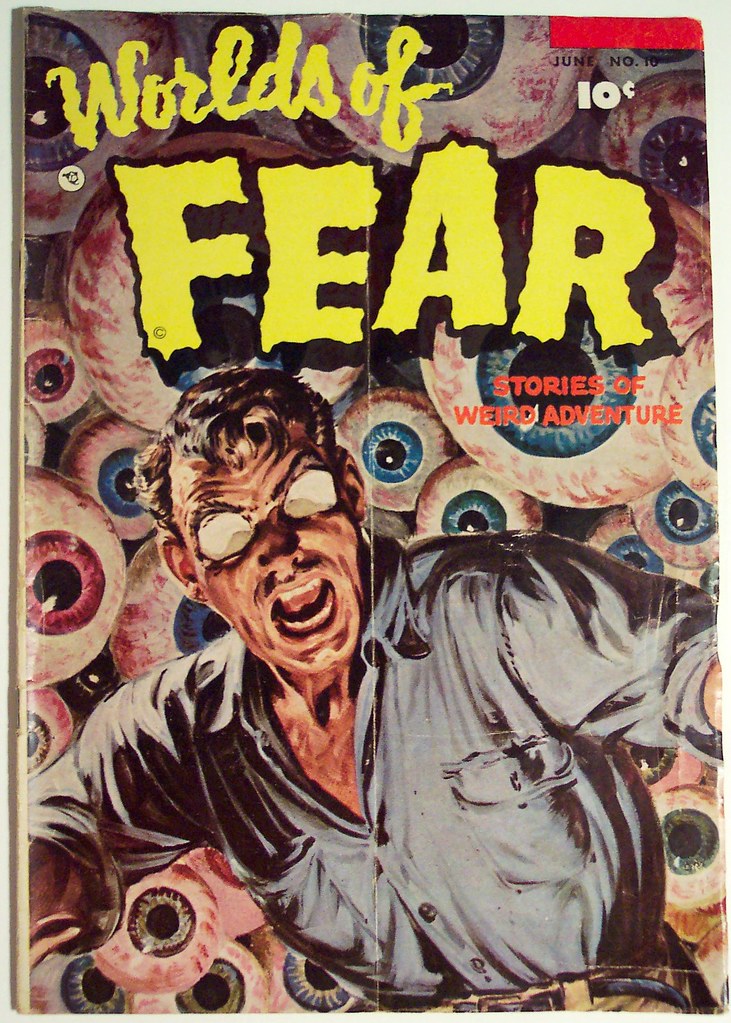
Фото: riptheskull · CC BY-ND 2.0 · Flickr
| Grade | What it looks like | Share of full price |
|---|---|---|
| Glanc / 1 | Flat spine, sharp corners, white interior | 100% |
| 1– / 2 | Barely visible reading, light corner wear | 60–80% |
| 3 | Clear spine crease, browned edges | 30–45% |
| 4 | Tears, part of the cover missing | 10–20% |
| 5 | Complete but falling apart | filler-copy money |
Two things sink a price faster than reading does: tape and damp. A taped spine does not repair a comic, it permanently reduces its value, and a basement smell never comes out. If the box sat on concrete, check the bottom row first.
Four ways to sell, and what each really returns
To a buyer, all at once. Fastest and safest. The buyer takes on the risk that the stock will not move and the work of selling it piece by piece, so pays a fraction of retail. Sensible when the box is average and your time is worth more than the difference.
Classified listings. These work for individual known issues, when you know what you have and are willing to answer messages for months. For a hundred issues in a box, it is not a solution.
Fairs and swap meets. Good prices, but you are looking for a buyer in person and tied to a date.
Auction. This is the right answer precisely when you do not know what something is worth, or suspect it is rare. Open bidding is the only mechanism that lets rarity show its own price: at a fixed price you are guessing what one buyer might pay, while at auction two interested buyers settle it between them.
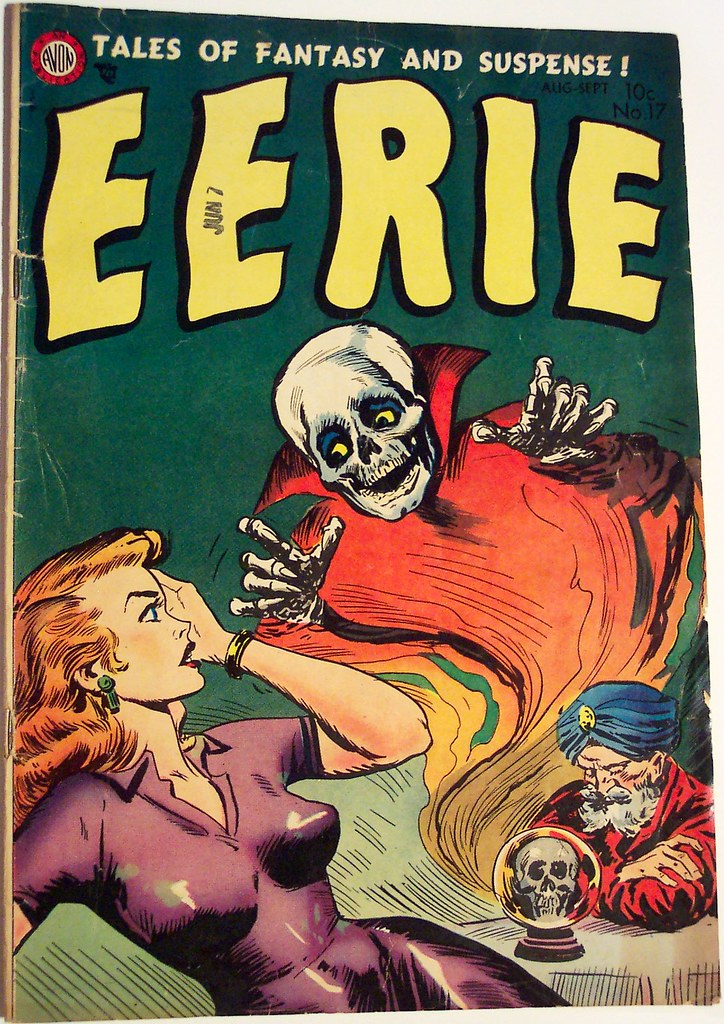
Фото: riptheskull · CC BY-ND 2.0 · Flickr
Five mistakes that cost money
- Cleaning and "tidying up". An eraser, a damp cloth and a roll of tape are the three most expensive objects in the house. Leave the comic as it is.
- Selling the box at a flat per-issue price. A flat rate means the rare issues go out at the price of the common ones.
- Bad photographs. A buyer who cannot see the spine and corners assumes the worst and bids accordingly.
- Hiding faults. Discovered after the sale, that is a refund and a damaged reputation — and the collecting circle is small.
- Waiting for a better moment. Paper in an attic is worth less each year, not more.
If you do not know what you have, do not set a price. List it at auction with a realistic opening bid and let the market decide — it is the only way to avoid selling a rarity for the price of an ordinary issue.
Checklist before a valuation
- Write down series and issue numbers, not the total count.
- Photograph the front cover, back cover and spine in daylight.
- Find the colophon and note the publisher and year.
- Set aside everything below grade 4 — that is filler material, not individual listings.
- Wash nothing, tape nothing, iron nothing.
With that in hand a valuation takes minutes instead of weeks, and you walk into the conversation knowing what you are holding.