Zlatna serija and Lunov Magnus Strip: a guide to the issues people look for
The two highest-circulation runs from Novi Sad's Dnevnik: where the line between ordinary and rare sits, how condition is graded, and what is genuinely worth selling individually.
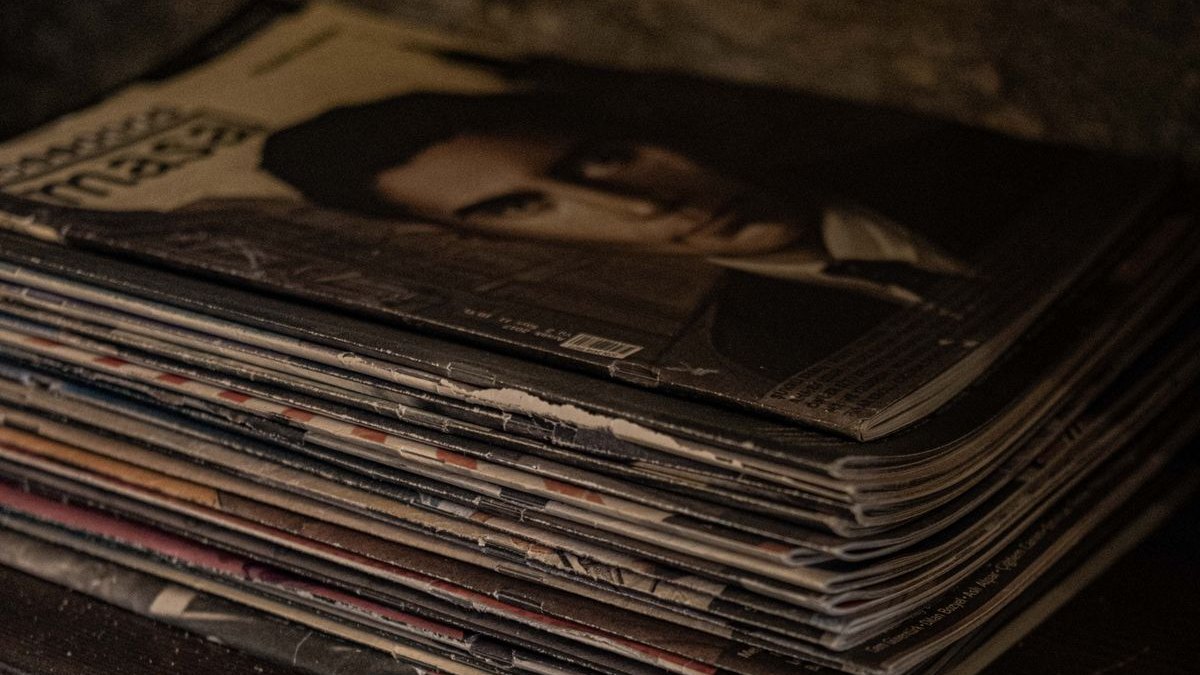
Zlatna serija and Lunov Magnus Strip are the most widespread comics in this region. Dnevnik of Novi Sad printed them in runs that are hard to imagine today, and for exactly that reason most issues are not worth much. The whole skill lies in recognising the minority that is.
Why print runs matter more than heroes
Value in collecting comes from a gap: many people looking, few surviving copies. For these runs the second half of that equation failed for a long time — too much was printed. What survived in poor condition is not rarity but surplus.
Real rarity shows up in three places:
- The first issues of each run. At the start nobody knows whether the series will last, so the print run is cautious and the reader careless.
- Issues from periods of interruption and change. When a run changes format, printer or publishing rhythm, a smaller print run appears somewhere. Collectors know those dips in the sequence; sellers do not.
- Any issue in a condition that effectively does not turn up. When ninety-nine of a hundred copies were read to pieces, the hundredth becomes a bidding object in its own right.
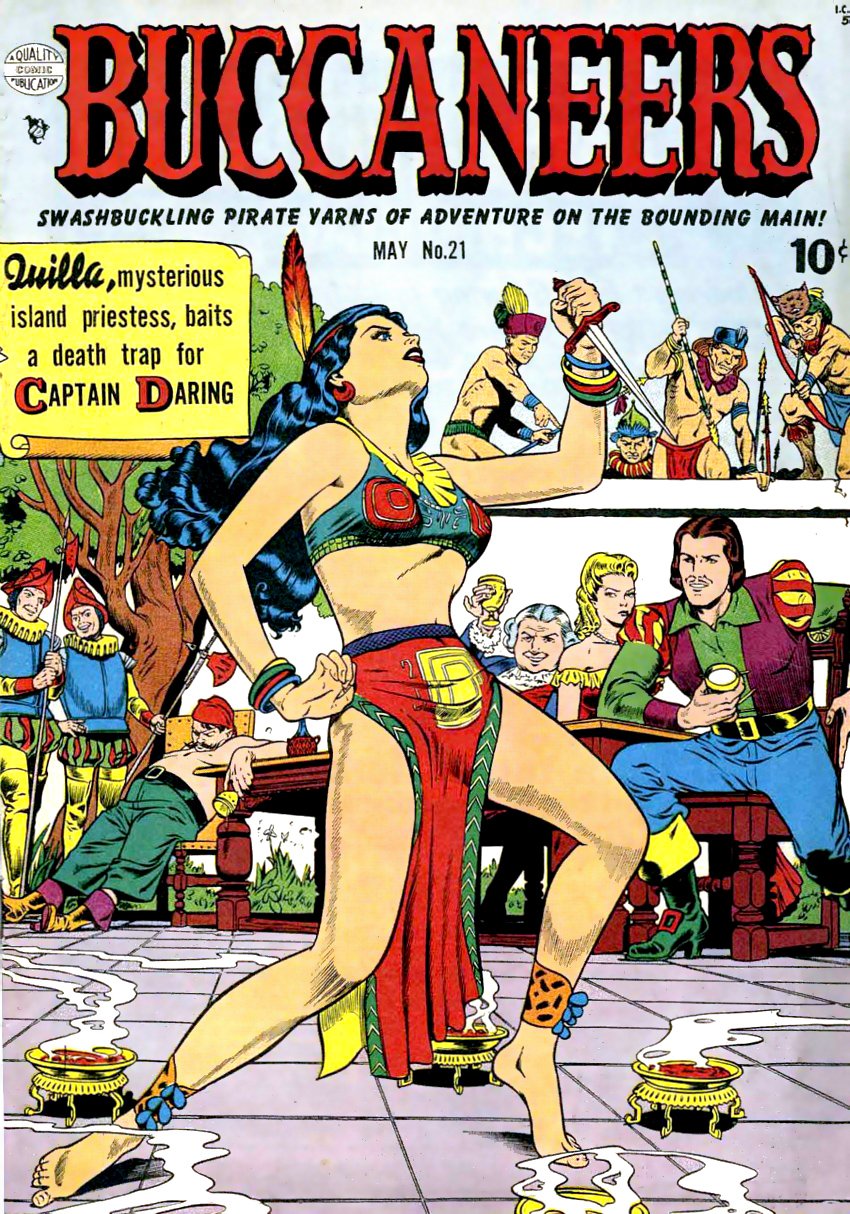
Buccaneers № 21 (1950) · общественное достояние · Wikimedia Commons
How to approach the box
The order that saves the most time:
- Split by run. Zlatna serija and LMS do not mix; different sequences, different prices.
- Sort by issue number, not by hero. A collector is looking for a number. The hero is just what happened to be in it.
- Set aside everything under the first hundred in its own pile — that is where the value concentrates.
- Value the rest as a whole. For mid- and late-run issues, listing them one at a time does not repay the hours.
Condition: where the money goes
In pocket format, damage accumulates differently than in large-format issues:
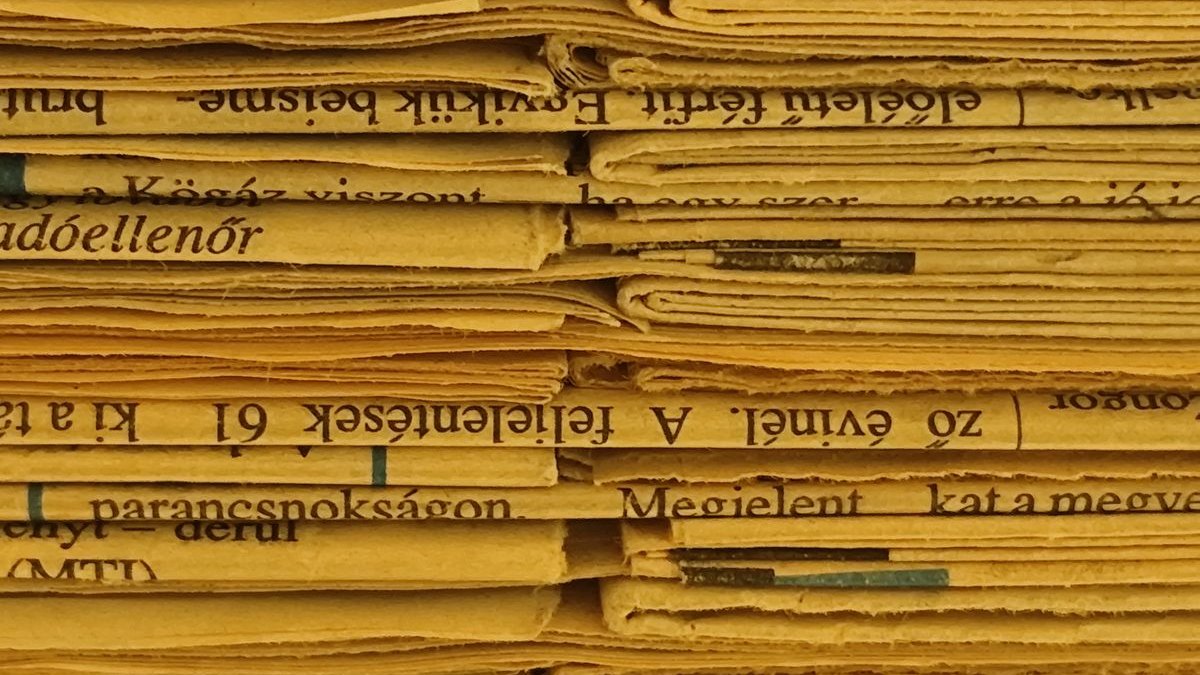
- Staples. Rust around the staples is the commonest problem and effectively unfixable. The stain transfers to the paper and spreads.
- Spine. A thin booklet is read folded back on itself. A crease down the whole spine is the rule, not the exception — which is why a copy without one stands out.
- Sun. A cover that sat by a window fades unevenly. It shows immediately and drops the price fast.
- Damp. Wavy paper and a water line along one edge mean the box stood on the floor.
The scale is the same as for other comics: from glanc / 1 down to 5. For these runs, expect grades 3 and 4 as the majority, 2 as a good find, and 1 as the exception people talk about.
What to sell individually and what to lot
Individually makes sense for early issues and for anything in grade 1 or 2, whatever the number. Open bidding does the work there: two collectors filling the same gap in their run will price it more accurately than any advance estimate.
As a lot goes everything else, grouped so the lot means something to a buyer: an unbroken range of numbers, or a full year, or everything above a given grade. A random pile sells at the price of paper.
Do not sort the box into "nicer" and "uglier". Sort it by number and by condition. Those are the only two properties a buyer pays for.
Three things sellers most often get wrong
- That an old comic is automatically valuable. Age is a condition, not a reason. Without rarity and condition, the year of publication means nothing.
- That a run has to be complete to be worth anything. An unbroken stretch of fifty issues is an excellent lot without the rest of the series.
- That condition can be repaired. Ironing, taping and replacing staples all show, and show at once — and buyers penalise an item someone "fixed" harder than one that was merely read.
In short
Value in these runs is not spread evenly through the box — it concentrates in early issues and in rare good condition. Sort by number, pull out the best copies, group the rest into lots that make sense. That is the entire strategy, and it is worth more than any price list.