Which Alan Ford issues are actually worth money: a guide to the Vjesnik editions
Why Alan Ford is worth more here than in Italy, which issues carry the value, how to tell an original from a reprint, and what is worth selling individually.
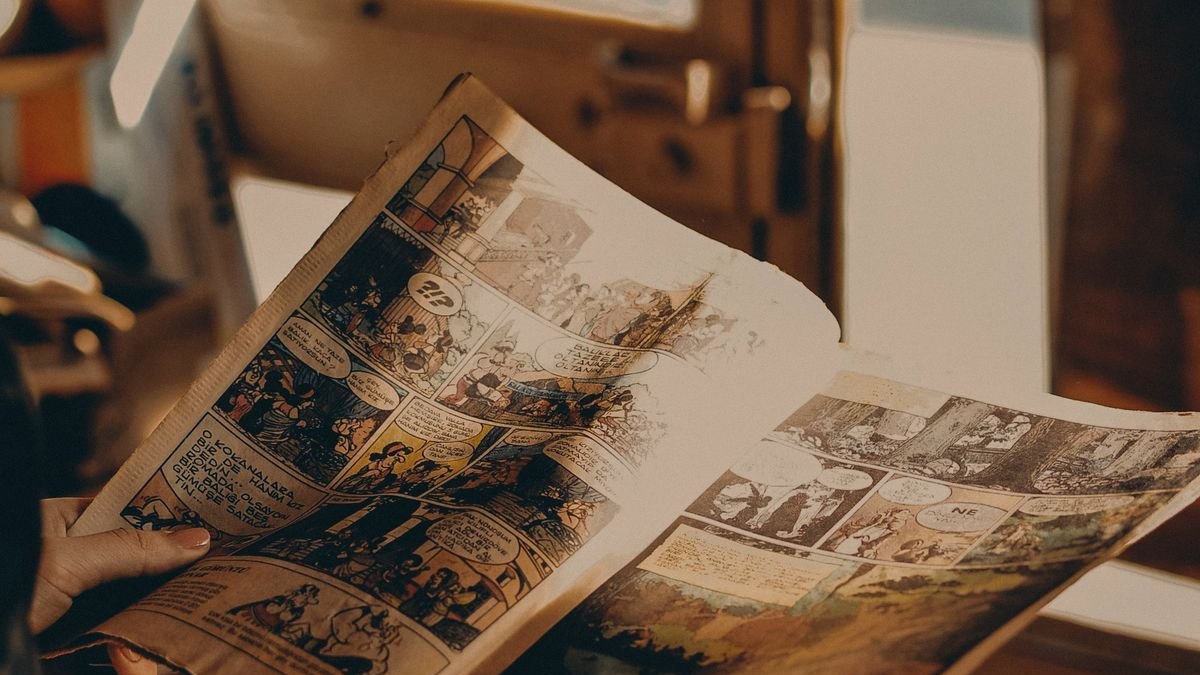
Alan Ford is the one comic that people in this region genuinely bid against each other for, which is a curious fact in itself: in Italy, where it comes from, it is ordinary serial output. The difference is not the artwork. It is the translation.
Why here specifically
Nenad Brixy's translation was not a transfer of text but a rewriting. The language he invented entered everyday speech for two generations, and what a collector buys today is not the Italian comic — it is that version. Hence the consequence that confuses sellers: the edition matters more than the issue number. The same issue in a later edition without that translation is not worth anything close.
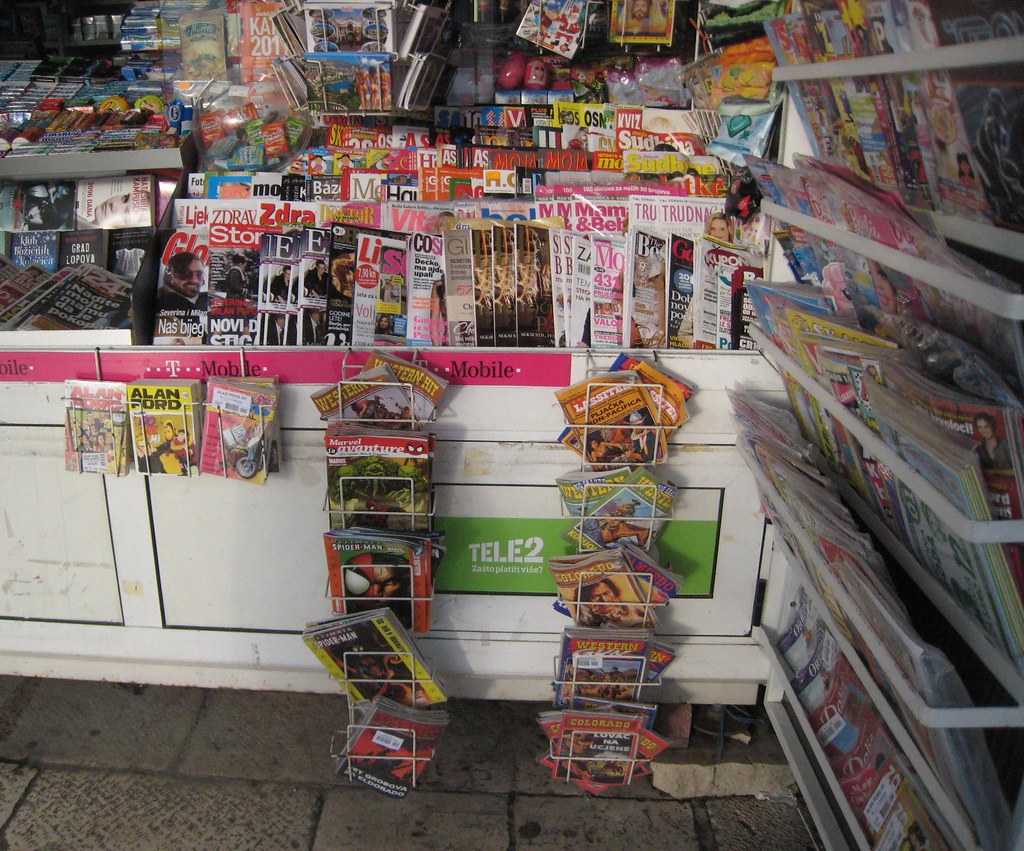
Фото: KLGreenNYC · CC BY-SA 2.0 · Flickr
What sets the value, in order of weight
Publisher and period. The original 1970s Vjesnik run is the reference point. Everything after it — later editions, reprints, newer series — is a separate and cheaper layer of the market. Not worthless; simply not comparable to the original.
Issue number. The lowest numbers carry the most, and the difference is not gradual but stepped. Issue one is a category of its own: the print run was smallest, it was read by someone who did not yet know a series worth keeping was starting, and few survive in decent shape.
Condition. On early issues, condition does not shift the price by a third — it shifts it several-fold. A crumbling copy and a copy with a flat spine are, in practice, two different objects on the market.
Completeness. An unbroken run in even condition is asked for specifically, because it saves the buyer years of filling gaps.

Telling an original from a later edition
The colophon on the last page is the definitive answer, but the paper gives it away before you get there:
- Paper. Originals are on coarse, cheap newsprint that has yellowed unevenly. Later editions use whiter, smoother stock that yellows evenly or not at all.
- Colour registration. Old printing often shows a faint colour shift against the outline. Modern reproduction is crisp.
- Format and thickness. The runs are not identical in size; a few millimetres is a reliable tell.
- The cover price in the currency of the day — crude, but a fast period check.
Selling and unsure what you have: photograph the colophon and attach it to your enquiry. That one image shortens a valuation from a week to half an hour.
What to do with it
For a single early issue in good condition, open bidding is the only sensible route. At a fixed price you are guessing the ceiling of someone else's willingness to pay, and you miss in both directions: either you sell below value, or the item sits for months.
For later editions and duplicate issues, individual auction makes little sense — group them into a lot by series, because the time cost per item eats the price difference.
For incomplete runs with gaps, the decision depends on how many gaps. Up to a few missing issues, the run still sells as a whole; beyond that it is a pile of individual issues and should be treated as one.
Three mistakes that keep repeating
- Flattening the spine and taping it. Tape on the spine of an early issue costs more than the crease it was meant to fix.
- Selling a complete run "as a bundle" at a per-issue rate. That sends the first issues out at the price of the fiftieth.
- Benchmarking against listings instead of sales. An asking price is someone's wish. A price achieved at auction is a fact. What was asked is easy to check; what was paid is harder, and therefore worth more.
In short
Value in Alan Ford sits in a combination: early Vjesnik edition, low issue number, decent spine. All three together is rare and therefore expensive. Two out of three is a good auction item. One out of three is an ordinary comic at an ordinary price — which is fine, as long as you know it going in.