Journal
Guides to buying, valuing and selling collectibles in Serbia.
Every article belongs to one section, by type of item. Tags cut across sections: what you want to do, which period and which metal.
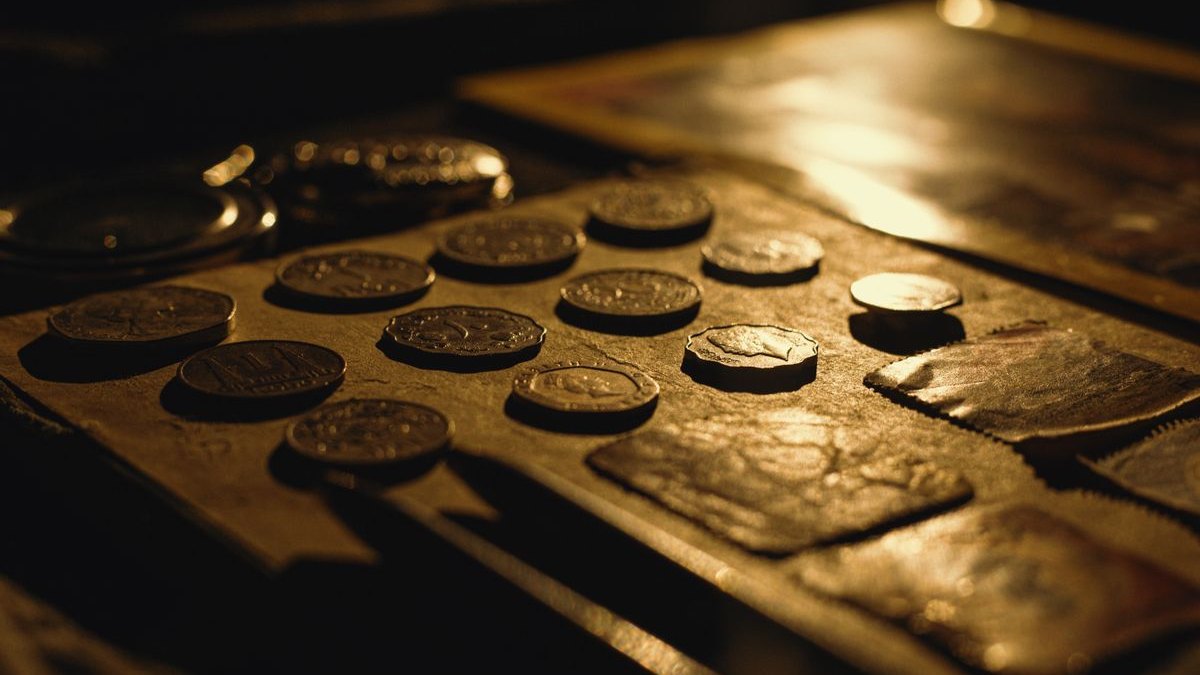
Gold coins of the Kingdom of Serbia: the milandor, the Union standard and real value
Serbian gold from 1879: which pieces exist, why they weigh the same as a napoléon, how the price is calculated, and how to spot a cast copy.
Read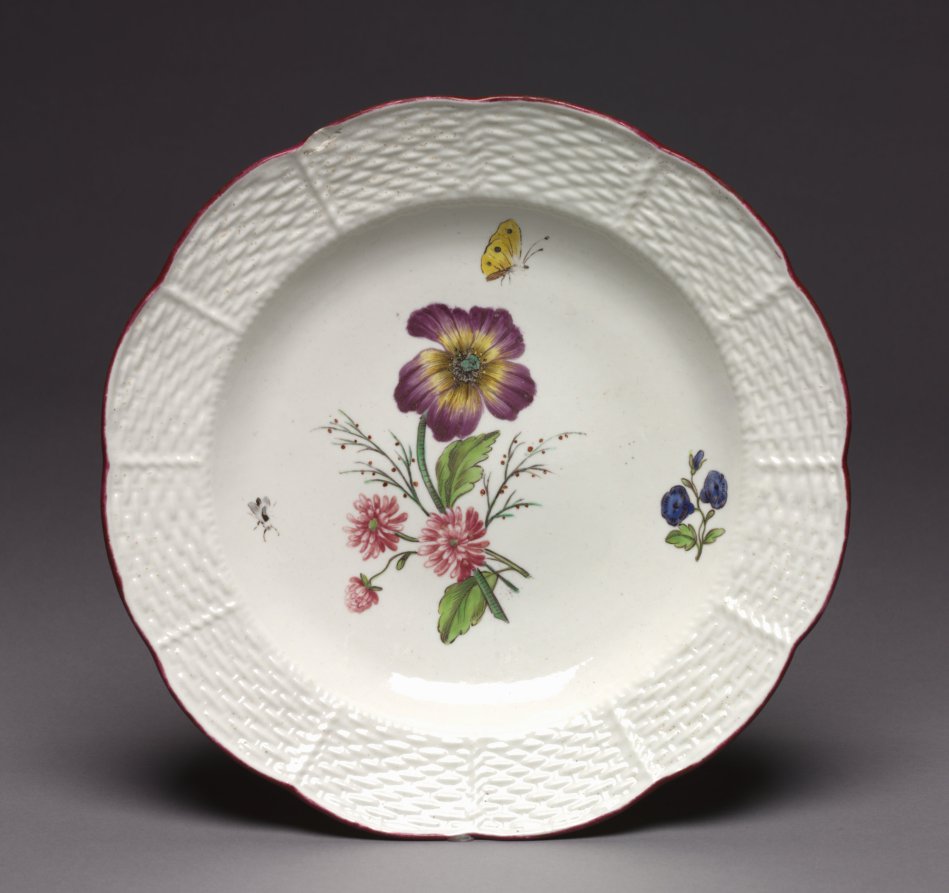
Porcelain, Crystal, and Brass Treasures: How to Identify Genuine Antiques
Distinguish valuable European porcelain, heavy lead crystal, and patinated brass from common vintage kitchenware: hallmarks, resonance, and patina preservation.
Read
EX-YU Rock and New Wave on Vinyl: High-Value First Pressings of Jugoton & RTB
Why Paket aranžman, Šarlo Akrobata, Idoli, and early EKV LPs are the most sought-after vinyl records in the Balkans: pressings and auction prices.
Read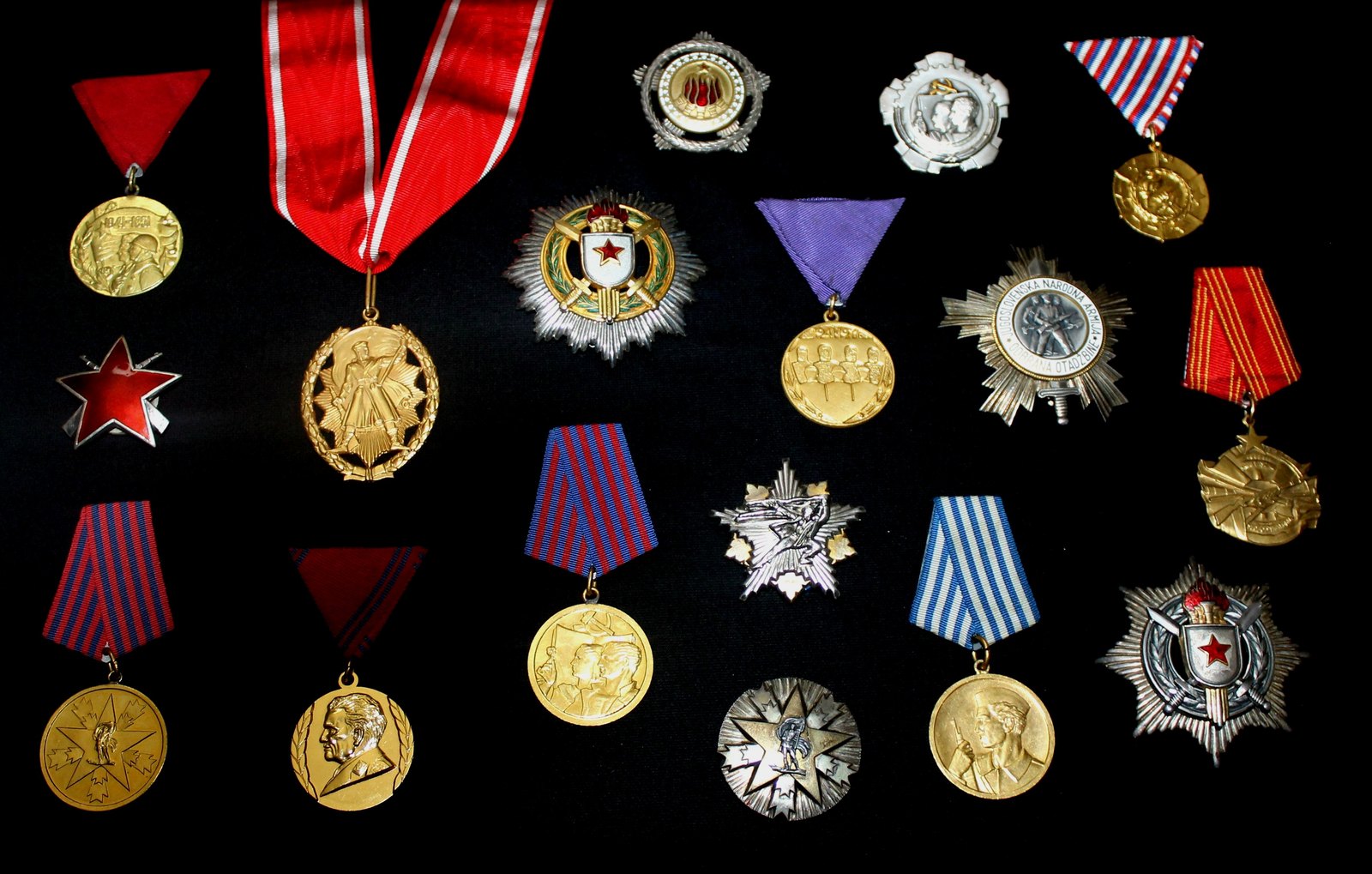
Фото: Pinki · CC BY-SA 4.0 · Wikimedia Commons
Valuable WWII Yugoslav Partisan Insignia: Order of the People’s Hero and Partisan Star
Comprehensive guide to Yugoslav partisan phaleristics: 1941 Commemorative Medal serials, gold orders, and why early 1944 Moscow Mint strikes lead the market.
Read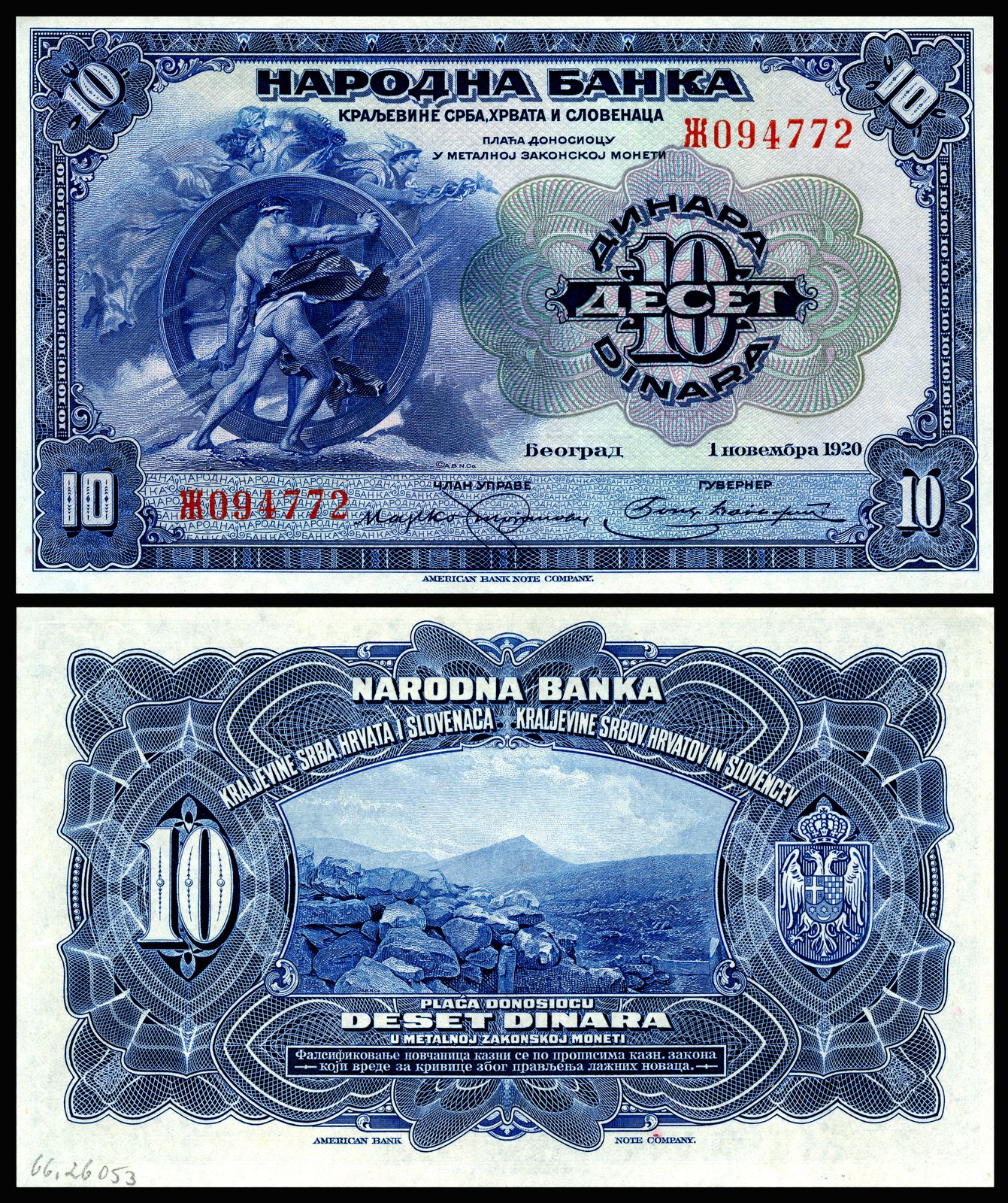
National Museum of American History (Smithsonian) · общественное достояние
Rare Banknotes of the Kingdom of Serbia and Occupation: High-Value Rarities
Guide to the rarest Serbian paper money: from the iconic 1884 100-dinar note to wartime emergency overprints of 1941–1944 that command thousands of euros.
Read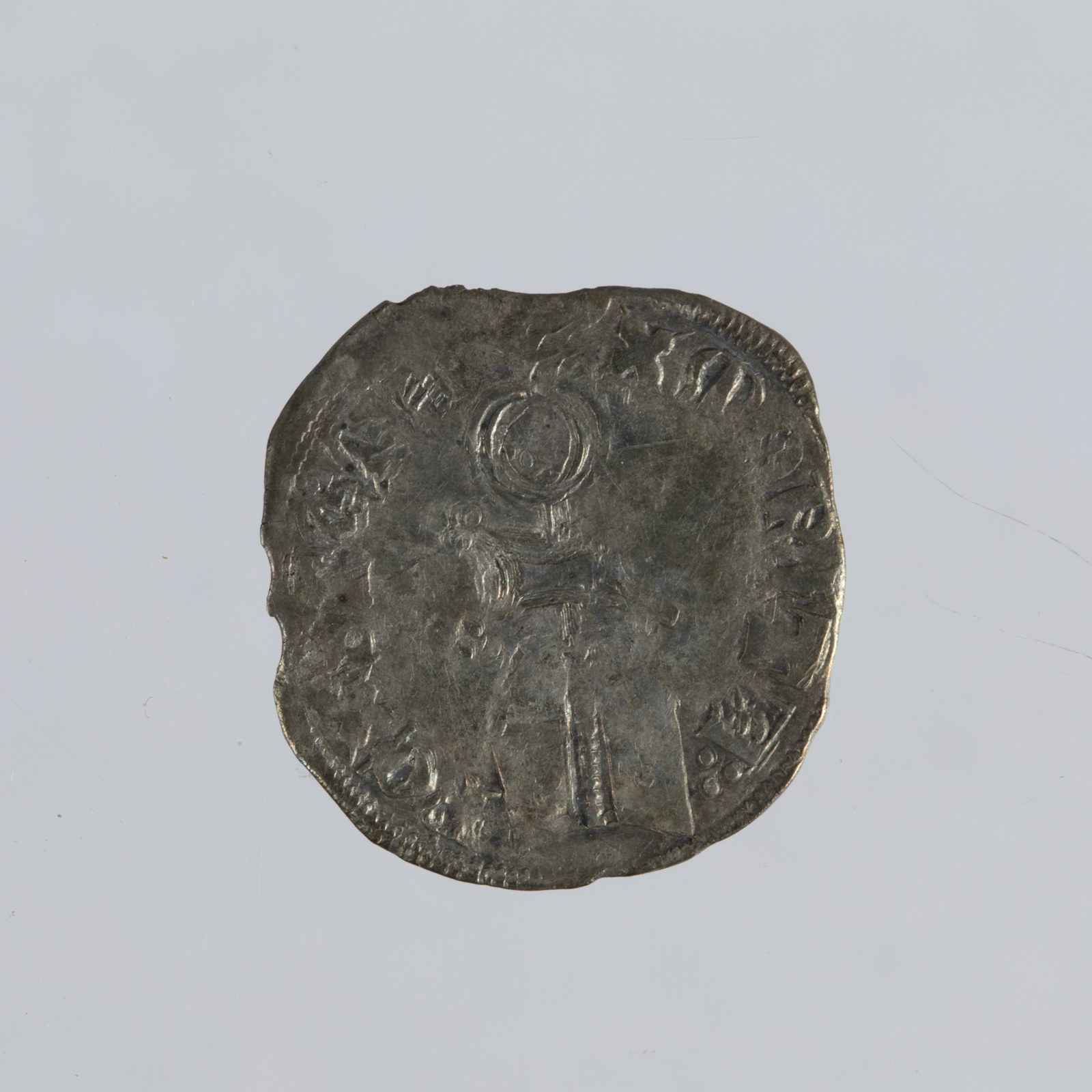
Muzeul Național de Istorie a României · CC BY 4.0 · Europeana
Medieval Serbian coinage: Nemanjić dinars and what they are worth
Who struck them, where, and on what model; how hammered coinage is recognised; and why documented provenance decides whether this category sells at all.
Read
Coins of the Kingdom of Serbia and the SHS: what silver dinars are worth
Royal-period silver from 1875 to 1938: what makes one year worth many times another, how wear is assessed, and which varieties collectors chase.
Read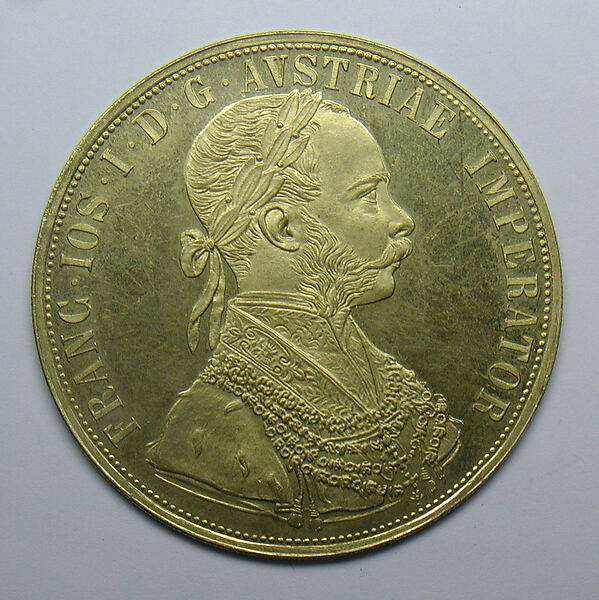
Small and large Franz Joseph ducats: fineness, weight and how value is calculated
The Austro-Hungarian ducat standards, the difference between circulation originals and restrikes, and why the price is calculated from gold content upwards.
Read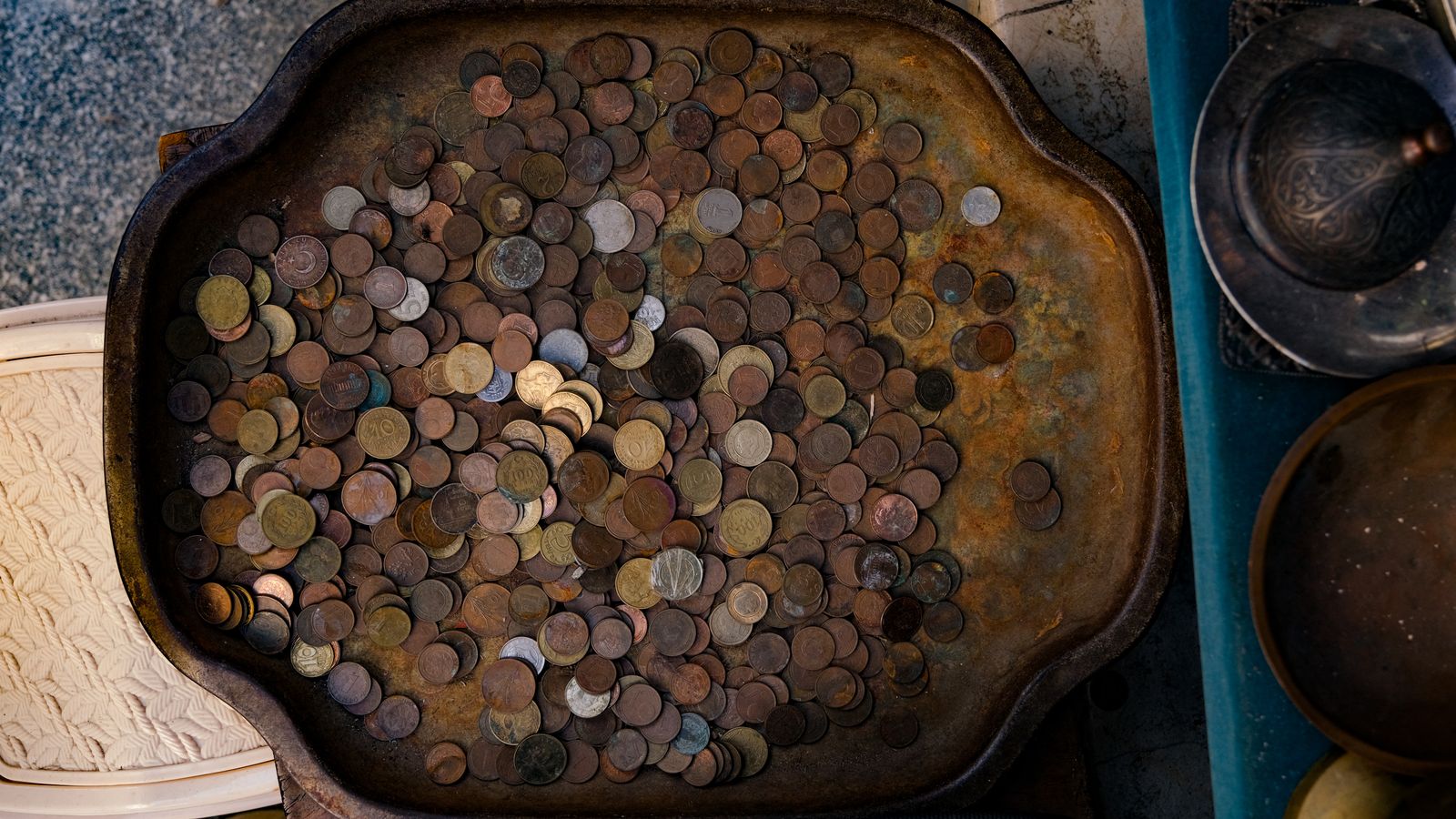
Coin valuation and buying: where and how to sell old coins safely
How a coin price is formed, why cleaning destroys value, how to spot a copy, and which sales channel suits which kind of money.
Read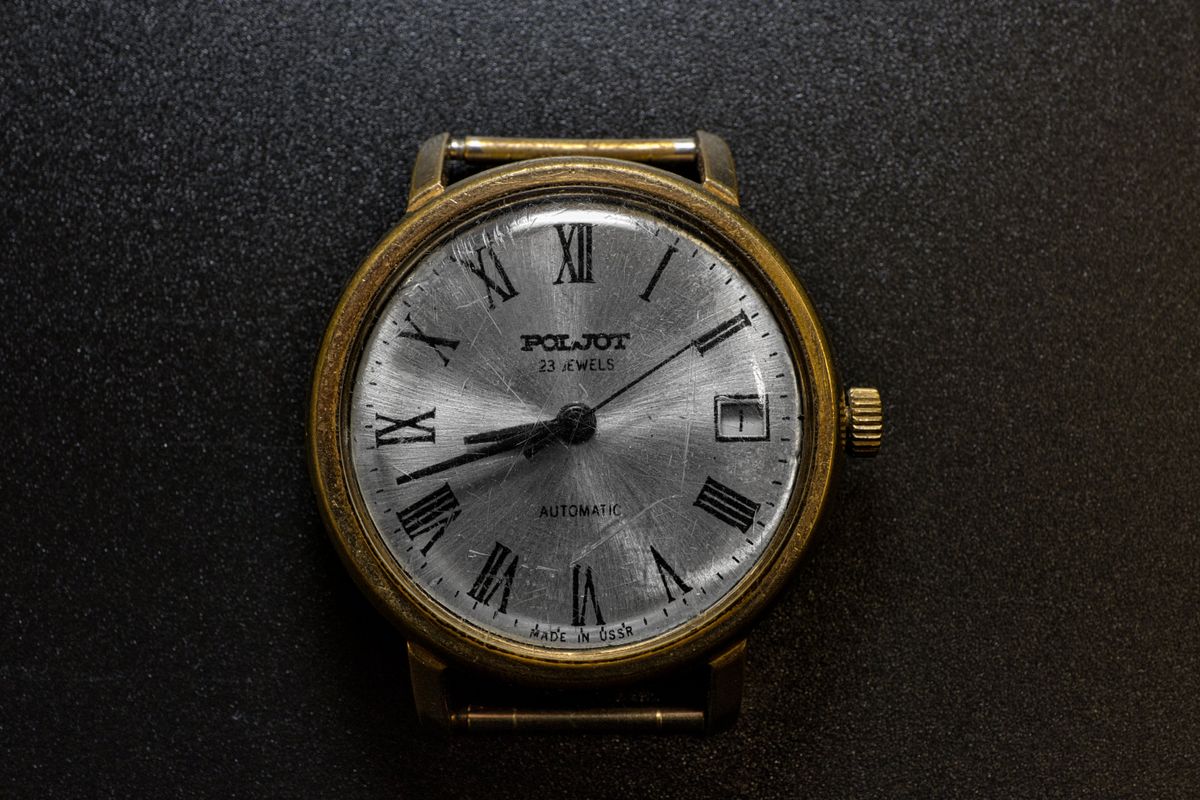
Soviet mechanical watches in Serbia: Poljot, Raketa, Vostok — what has value?
Why ninety per cent of Soviet watches are cheap, which models break away from the pack, and how to spot a watch assembled from parts — this market’s commonest problem.
Read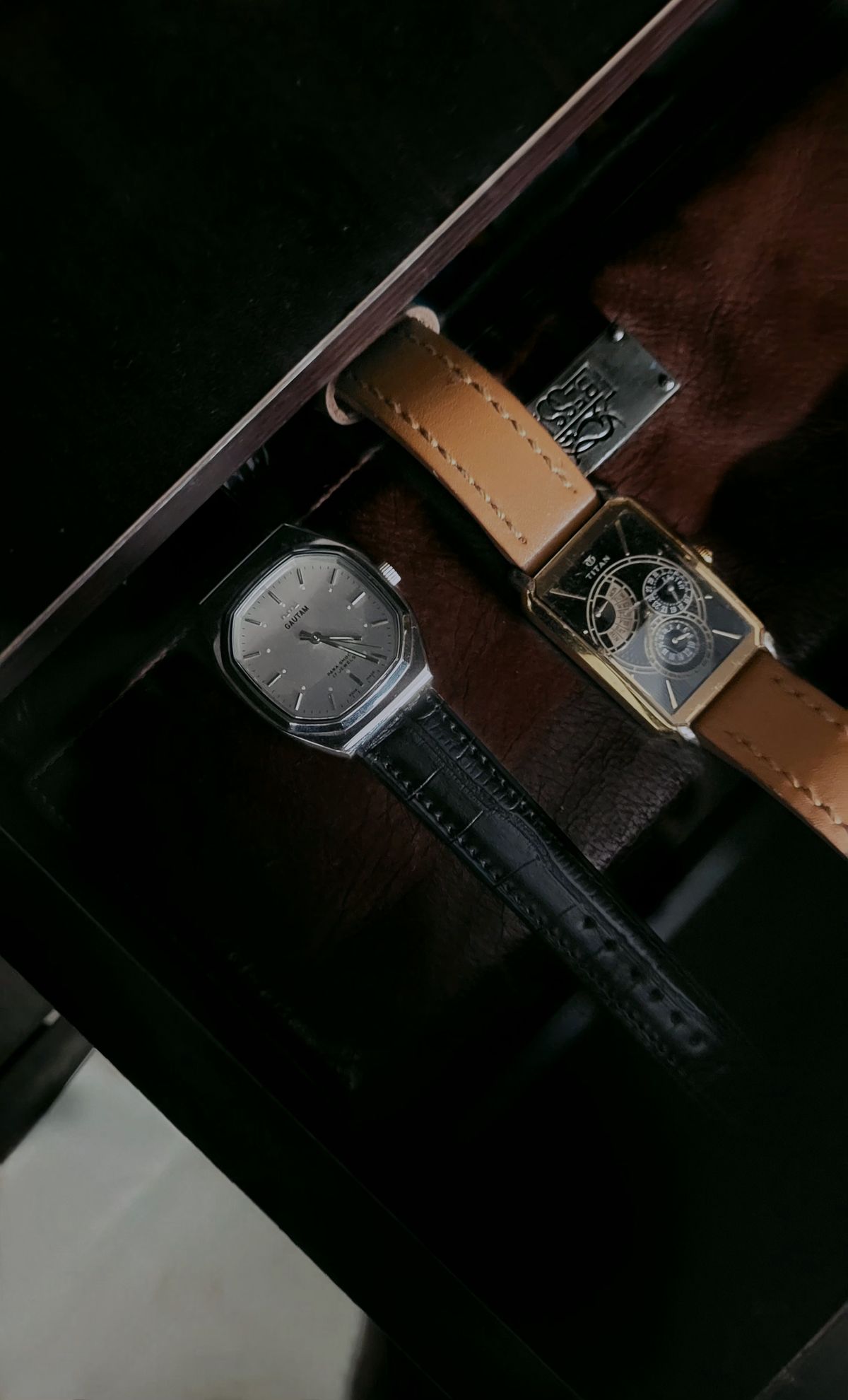
Vintage Swiss watches: verifying an original and checking the movement
Serial numbers, calibres and fineness hallmarks: the practical checks before buying or selling, and why an "assembled" watch is a commoner problem than a fake.
Read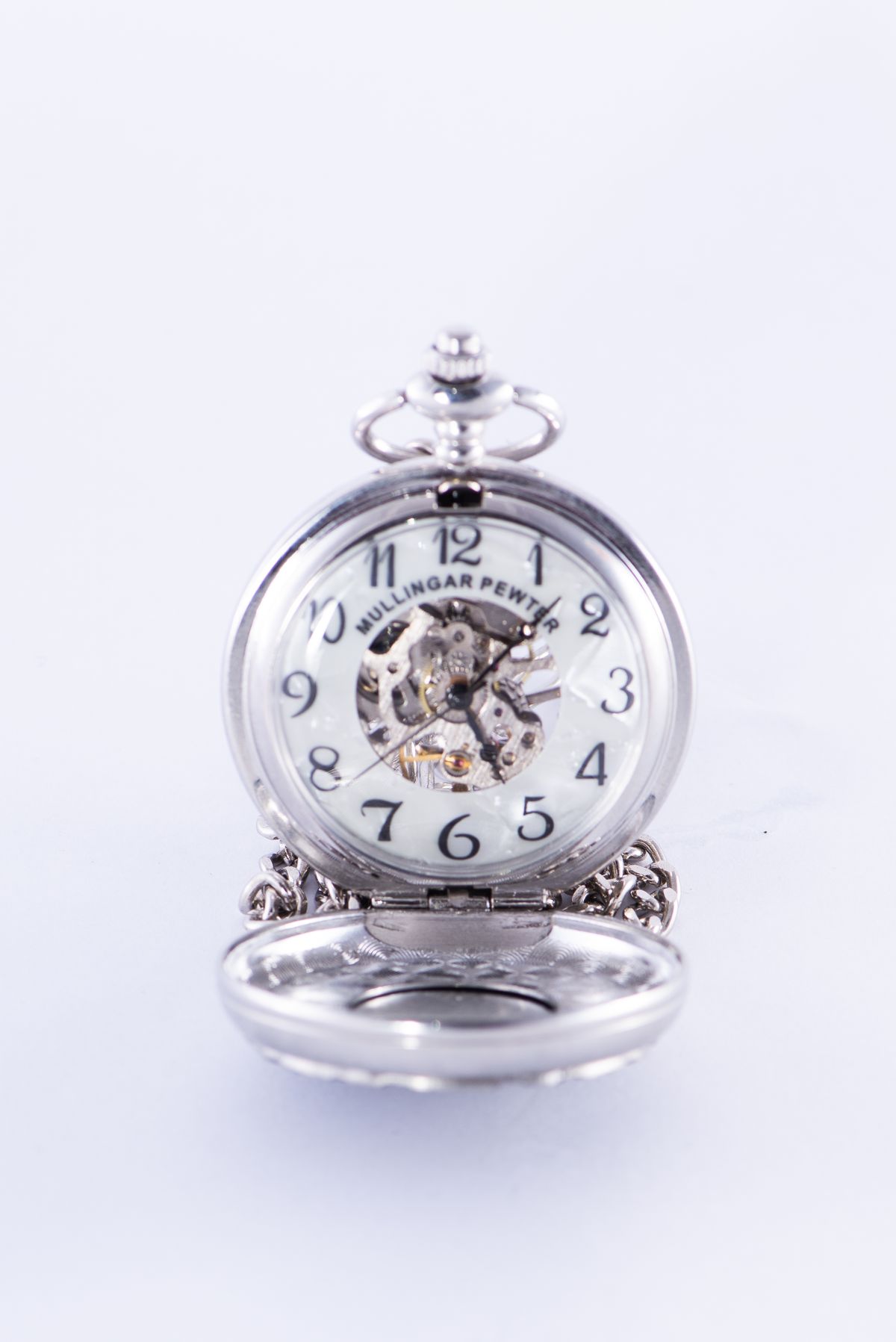
Railway pocket watches (JDŽ / JŽ): spotting originals and what collectors want
Service watches of the Yugoslav railways: who supplied the movements, what the case-back markings mean, and why the engraving is sometimes worth more than the watch.
Read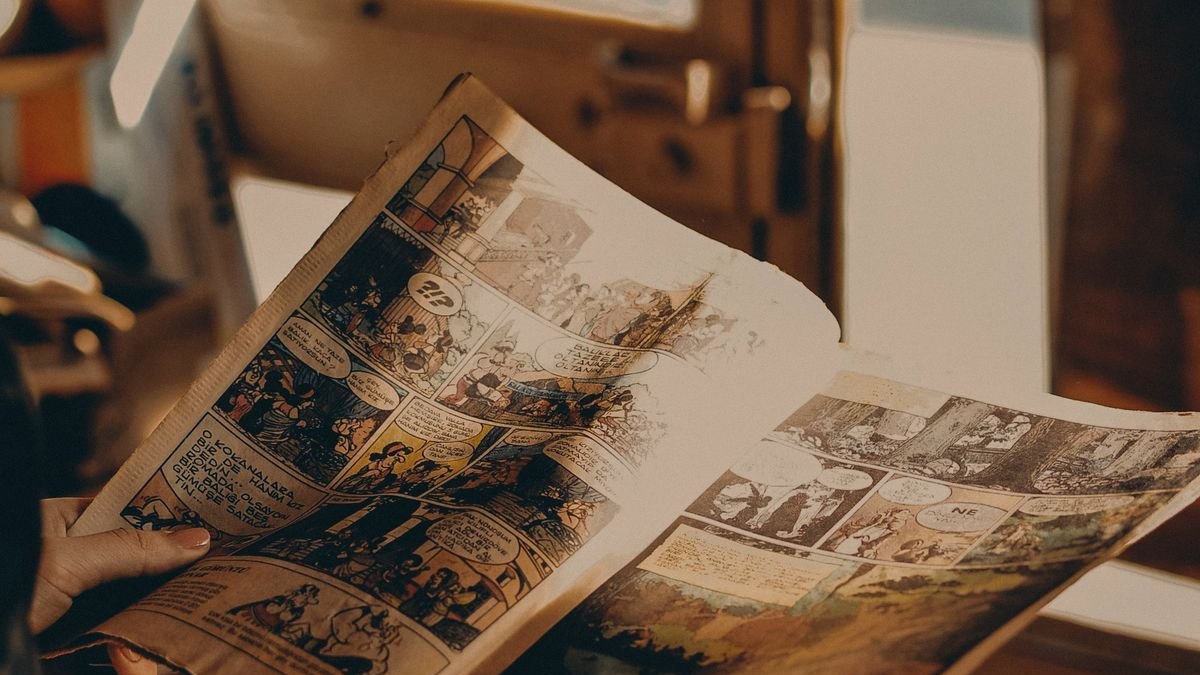
Which Alan Ford issues are actually worth money: a guide to the Vjesnik editions
Why Alan Ford is worth more here than in Italy, which issues carry the value, how to tell an original from a reprint, and what is worth selling individually.
Read