Porcelain, Crystal, and Brass Treasures: How to Identify Genuine Antiques
Distinguish valuable European porcelain, heavy lead crystal, and patinated brass from common vintage kitchenware: hallmarks, resonance, and patina preservation.
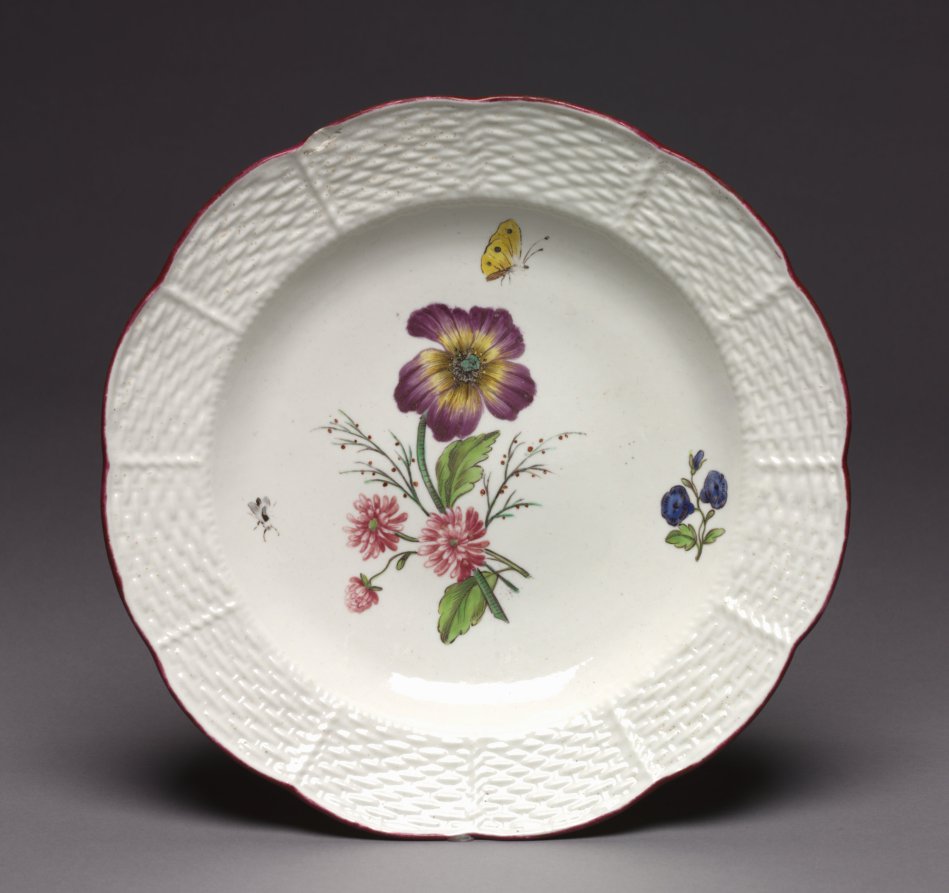
Clearing out an ancestral apartment, vitrine cabinet, or countryside attic inevitably reveals rows of tea sets, cut-glass bowls, brass candlesticks, and pestles. Most homeowners face a dilemma: are these objects cherished historic treasures or common vintage clutter?
A distinct boundary separates mass-produced post-war utility ware from genuine decorative art. By mastering foundational maker hallmarks, acoustic resonance, and material properties, one can spot objects worth hundreds of euros.
Porcelain: Decoding Manufacturer Hallmarks
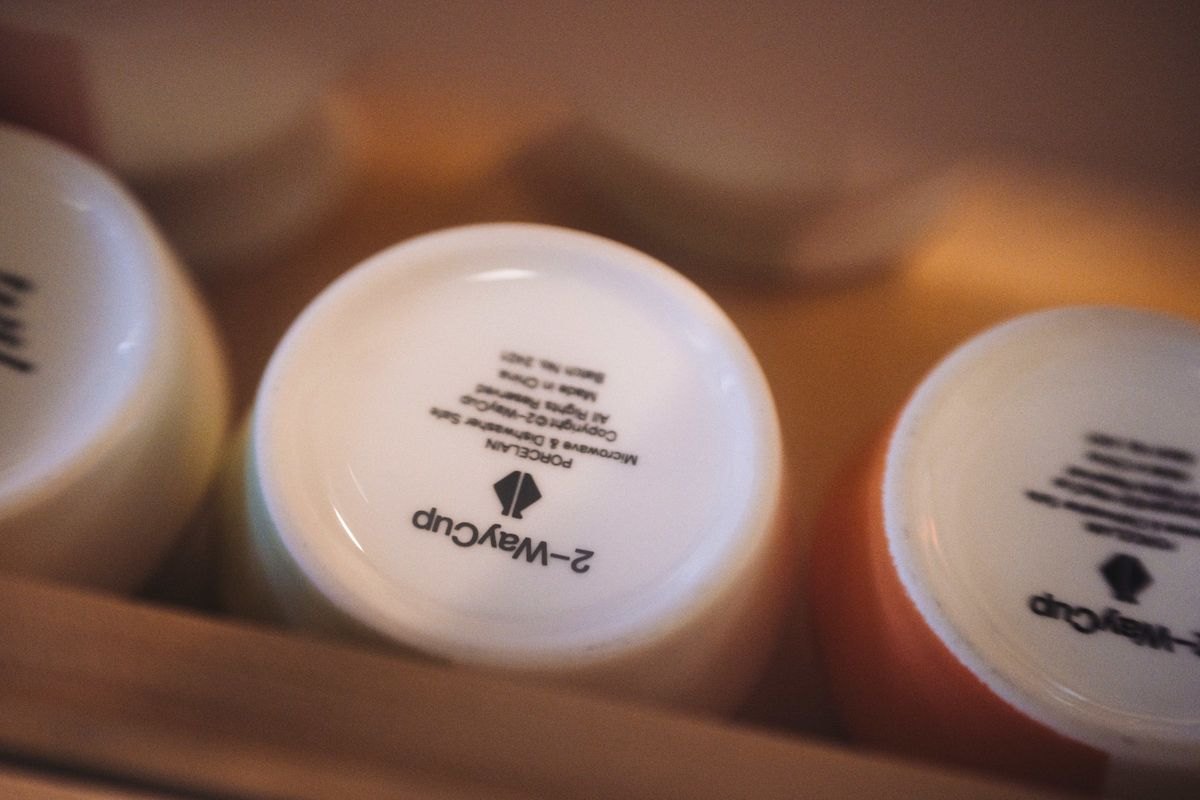
Authenticating antique ceramics always begins with the underside base:
- Underglaze Factory Hallmarks: Applied in cobalt blue or chrome green beneath the protective glaze. Crossed swords (Meissen), crowns (Rosenthal, KPM, Royal Dux), or intricate monograms immediately denote prestige manufacture.
- Impressed Numerical Marks: Mold numbers pressed directly into the damp clay body before firing authenticate fine factory castings.
- Regional vs. Continental Value: Regional Balkan porcelain (Zaječar) evokes nostalgia, but peak auction valuations belong to historic Bohemian (Pirkenhammer), Hungarian (Zsolnay, Herend), or German porcelain.
- Translucency and Ring: Authentic bone china exhibits noticeable translucency against bright light and rings with a sustained musical resonance when tapped gently.
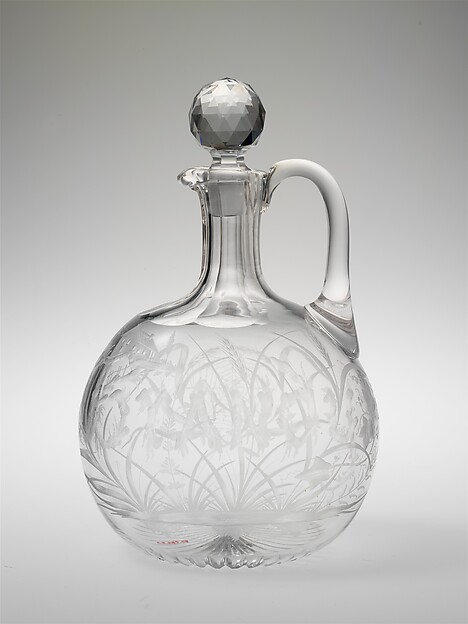
Lead Crystal vs. Molded Soda Glass
Many decorative bowls that look like crystal are merely machine-pressed soda-lime glass. Three simple diagnostics reveal the difference:
- Density (Mass): True lead crystal contains at least 24% lead oxide (PbO), imparting unexpected heft when balanced in the palm.
- Prismatic Light Refraction: Lead glass exhibits high optical dispersion. Sunlight hitting hand-cut facets fragments into brilliant spectral rainbow flashes.
- Facet Sharpness: Hand-cut crystal facets feature crisp, sharp ridge edges, whereas pressed glass displays rounded, softened seam lines.
Brass and Bronze: The Sanctity of Patina
Antique candlesticks, mortars, trays, and door hardware were forged from noble copper alloys:
- Magnetic Verification: Solid brass and bronze are strictly non-magnetic. If a magnet adheres, the object is simply brass-plated stamped steel.
- Natural Surface Patina: Over generations, atmospheric oxidation forms a velvety chocolate, olive, or warm amber surface film.
Crucial Appraisal Rule: Never clean antique brass or bronze with harsh acids or abrasive metal polishes to simulate shiny raw metal! Stripping away generational patina erases historical provenance and instantly cuts collector appraisal value by half.
Preparing Antique Tableware for Auction
Before offering antique pieces for sale:
- Clean gently using lukewarm water and a soft cloth; never use abrasive scouring pads on porcelain gilding.
- Photograph maker hallmarks on the bottom and document any small rim fleabites or rim chips.
- Placing antique pieces into a transparent online auction ensures that interior decorators and discerning collectors determine the true market value.