Coin valuation and buying: where and how to sell old coins safely
How a coin price is formed, why cleaning destroys value, how to spot a copy, and which sales channel suits which kind of money.
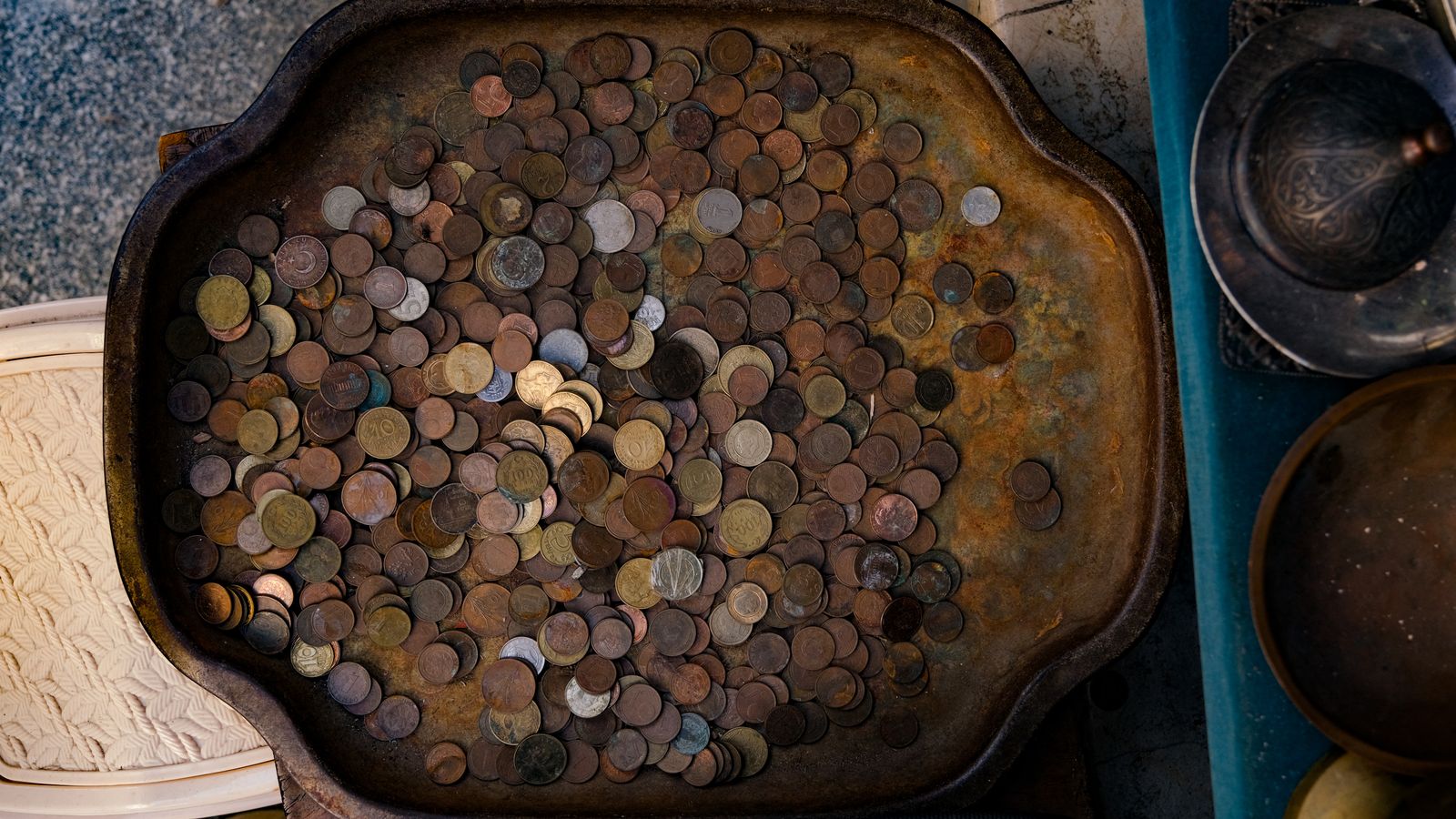
A box of old coins is the commonest inheritance after watches — and the most commonly misjudged. The reason is that with coins intuition fails in both directions: an ordinary old coin looks valuable because it is old, and a rarity looks ordinary because it is small and dark.
What actually sets the price
Metal. Gold and silver have a floor below which the price does not fall, whatever else is true. For everything else — copper, bronze, nickel — the metal is worth nothing and the price is carried entirely by numismatics.
Rarity. Not the year but the combination of year, mint and variety. The same denomination from two adjacent years can differ several-fold, because the mintages differed several-fold.
Condition. With coins, condition decides in a way that surprises owners: the difference between a worn and an unworn example of the same coin is often the difference between metal value and collector value.
Surface originality. Immediately below, because it is the most expensive oversight.
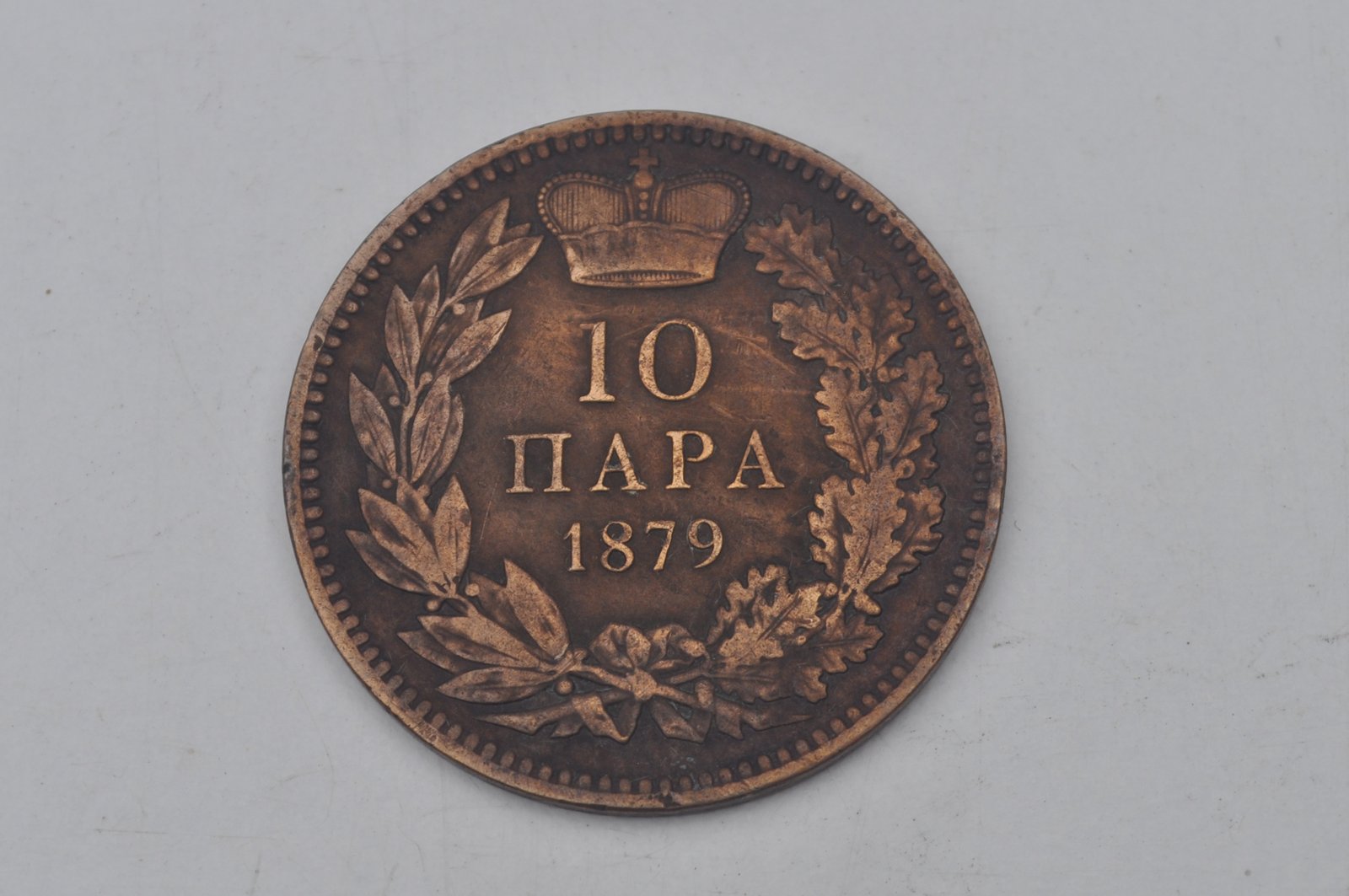
Фото: Народни музеј Топлице · CC BY-SA 4.0 · Wikimedia Commons
Why coins are never cleaned
Patina is an oxide layer that formed over decades and that protects the metal beneath it. Cleaning removes not dirt but that layer, and with it part of the surface carrying the fine detail of the die.
The consequence is permanent and visible: a dull unnatural shine, fine circular scratches across the fields, rounded edges on the relief. A numismatist sees it instantly and automatically reduces the price to a fraction.
The rule has no exceptions: do not rub, wash, or use paste, vinegar, lemon, baking soda or ultrasound. If a coin is dirty, it stays dirty until someone who knows what they are doing sees it.
Spotting a copy
Copies of old money have existed for a long time, and the older copies are collectable in their own right. The check is mechanical, not intuitive:
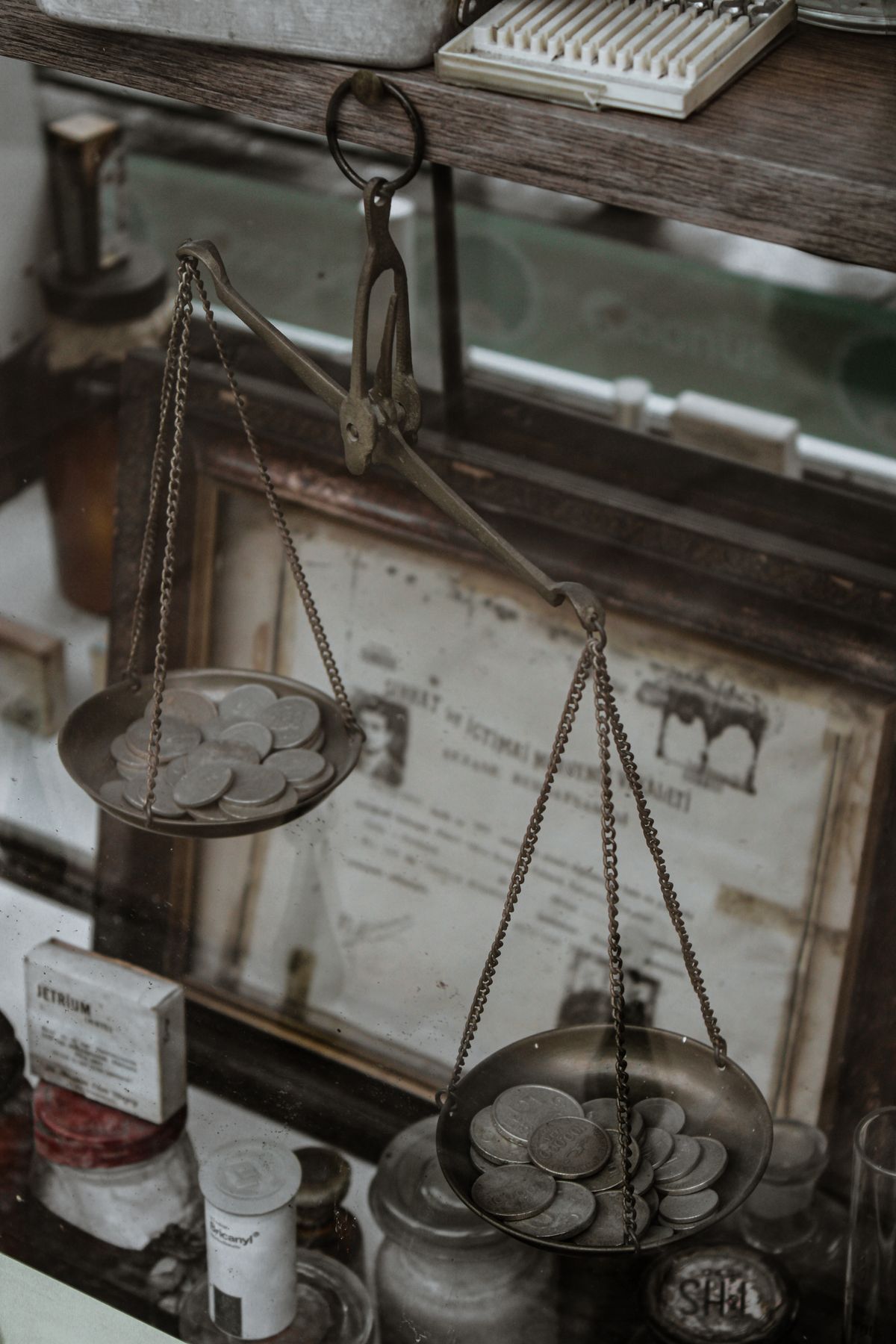
- Weight. An original has a weight set by standard, with a narrow tolerance. A deviation of several per cent is a red flag.
- Diameter and thickness. Measured with callipers, not estimated by eye.
- A magnet. Precious metals are not magnetic. The fastest check, and it eliminates the crudest copies.
- Sound. Silver rings longer and higher than most alloys. Crude, but useful.
- The edge. On copies the edge treatment is most often wrong — too soft, irregular, or smooth where it should be reeded.
If the item is expensive and the check uncertain, do not sell or buy it on somebody's word. Ask for a weight and photographs of both faces and the edge at an angle.
Where to sell what
| What you have | Sensible channel |
|---|---|
| Gold coins and bullion silver | Metal-content purchase, or auction if numismatically interesting |
| Rare years and varieties | Auction — bidding sets the price, not a price list |
| Common coins in quantity | A lot by period or country |
| Uncertain authenticity | Valuation first, any sale second |
Auction is more useful for coins than for most other categories, for one reason: the numismatic market is deep and informed. A buyer who knows that particular year is hard to find will pay for it — but only if they see the item at all. At a fixed price you decide what it is worth, and that is precisely what you do not know.
Preparing for a valuation
- Clean nothing. Repeated deliberately.
- Weigh on a scale with two decimal places and note it against each significant coin.
- Photograph both faces straight on, on a dark surface, in diffuse daylight, no flash.
- Photograph the edge at an angle — it carries information the faces do not.
- Do not mix metals in one bag. Coins rubbing against each other lose relief.
These five steps separate a half-hour valuation from a month-long one — and, more often than expected, separate selling at metal price from selling at collector price.