Gold coins of the Kingdom of Serbia: the milandor, the Union standard and real value
Serbian gold from 1879: which pieces exist, why they weigh the same as a napoléon, how the price is calculated, and how to spot a cast copy.
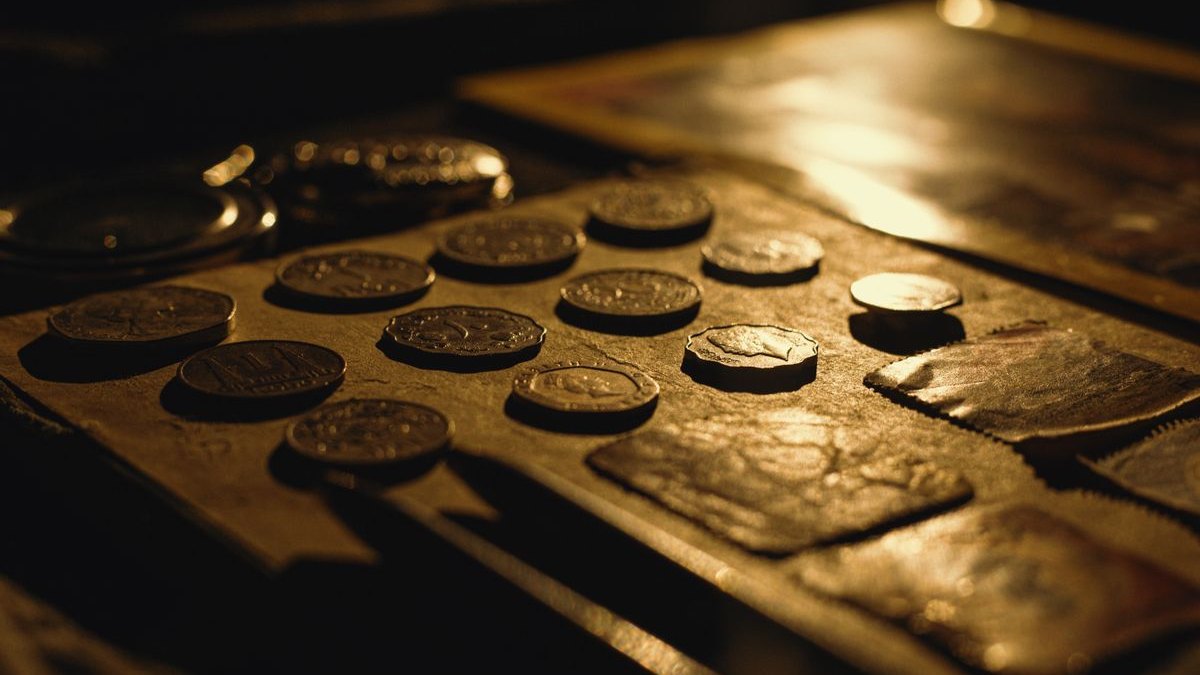
When a gold coin bearing the Serbian arms turns up in a house, the first question is always the same: what is it worth. The answer begins somewhere surprising — not in a rarity catalogue but in a nineteenth-century international agreement.
Serbia struck to someone else's standard, and it was the right call
The Serbian dinar was introduced in 1868 on the rules of the Latin Monetary Union — the agreement between France, Belgium, Italy and Switzerland on a common weight and fineness for coinage. Serbia never formally joined, but it struck to the Union standard, and the consequence is highly practical: a Serbian 20-dinar gold piece contains exactly as much gold as a French 20-franc napoléon.
| Total weight | Fineness | Pure gold | |
|---|---|---|---|
| 20 dinara | 6.4516 g | 900/1000 | ≈ 5.81 g |
| 10 dinara | 3.2258 g | 900/1000 | ≈ 2.90 g |
The Italian lira, the Belgian and Swiss franc, and later the Montenegrin perper carried the same standard. For a seller that means the price floor is not to be looked up in Serbian catalogues: it is a world price that moves daily with the market.
What actually exists
The milandor. Milan Obrenović's gold of 1879 and 1882 — the first struck while he was still prince, the second as king, in the year the kingdom was proclaimed. The name is colloquial, from the French *Milan d'or*, and these pieces are still asked for by it. This is the first Serbian gold and the reference point of the whole field.
Petar I gold. Early twentieth-century issues tied to state anniversaries. They are sought separately from the circulating silver of the same period and valued piece by piece.
The Montenegrin perper. A neighbouring market, the same Union standard, the same audience. If the box holds one too, do not mix it with the Serbian pieces: to a collector these are two different runs.
There was never much Serbian gold. It was struck in limited quantities, and what stayed in the country passed through two world wars, a currency change and private hoards. A piece that was never worn and never cleaned is the exception here, and is paid for as one.
How the price is calculated
The calculation has two layers, and you can go wrong in both.
The lower layer — gold. Pure gold weight times the spot price. For 20 dinara that is about 5.81 g; for 10 dinara about 2.90 g. The price never falls below that, whatever the condition.
The upper layer — the numismatic premium. The amount above gold: year, mint, condition, and whether the piece was worn. On Serbian gold that premium can be several times the metal content — precisely because the pieces are few and the demand is local and persistent.
If someone offers you a price close to the gold value, that is not an insult — it is an offer for metal. The only question is whether your piece deserves more, and that is not judged by eye.
Holes, solder and scratches
Serbian gold was worn as jewellery for decades, and that is the commonest reason a price falls:
- A hole for a chain erases the premium entirely — the metal value remains.
- Solder traces on the rim show even after the bail is removed, by the change in colour.
- A web of fine scratches across the field means years on a chest or in a wallet.
- Bending. 900 gold is soft and remembers every press.
Cleaning fixes nothing. A numismatist spots an unoriginal shine immediately and drops the price to metal.
Spotting a copy
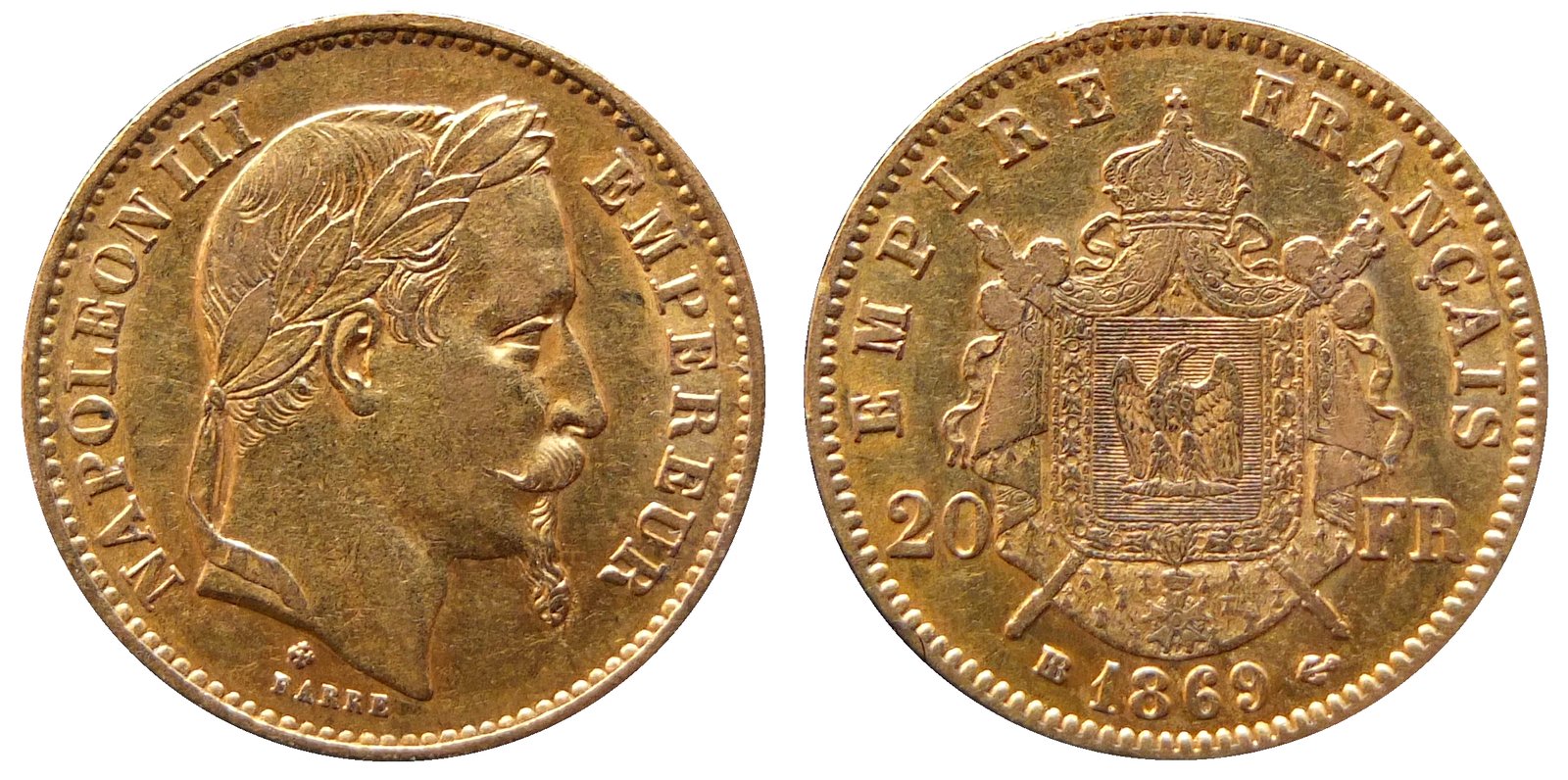
Фото: Siren-Com · CC BY-SA 4.0 · Wikimedia Commons
Gold coins have been copied for a long time, and with Serbian pieces it pays because the premium is high. The check is mechanical, not intuitive:
- Weight on a scale with two decimal places. More than a few hundredths off is reason to stop.
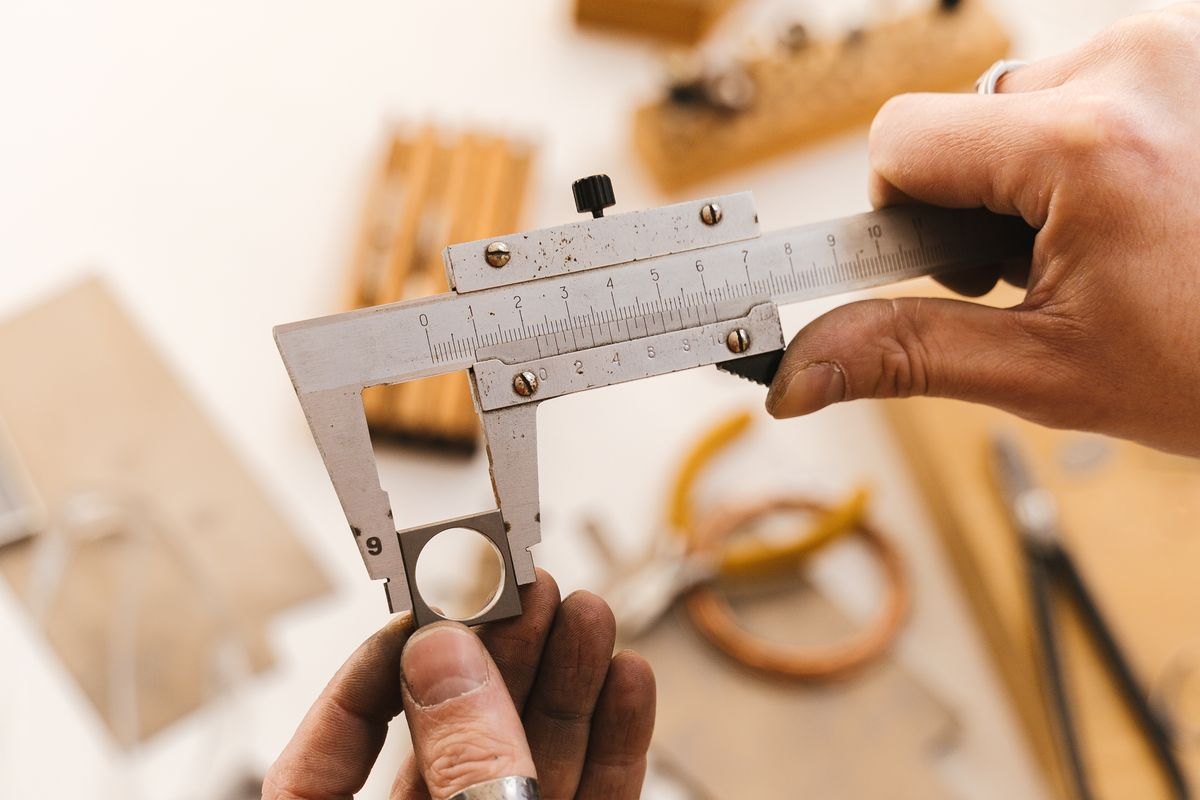
- Diameter and thickness with callipers, not by eye.
- A magnet. Gold is not magnetic.
- The edge. Cast copies often keep a mould seam, or the edge treatment is too soft.
- Relief and lettering. An original is sharply struck; a cast piece has rounded letters and pitting in the fields.
If any check feels wrong, the piece is neither bought nor sold on someone's word. Gold is the one category where a mistake is measured directly in money.
What to do with your piece
For a holed or heavily worn coin, selling by gold content is an honest and fast route; the difference between offers comes down to margin.
For everything else, auction is better, for a reason specific to this field: the premium over gold is not a figure in a table but a question of how badly someone wants that particular piece. There are not many Serbian gold collectors, but they are persistent and they know each other; open bidding is the only format where two of them meet over the same object.
To get a valuation, prepare: the weight to two decimal places, the diameter, photographs of both faces straight on in diffuse light, and the edge at an angle. Wash nothing, polish nothing.