Selling old watches: a guide for owners of mechanical and pocket watches
How to assess an inherited watch before selling: what a buyer actually examines, why servicing beforehand often lowers the price, and when auction beats a direct sale.
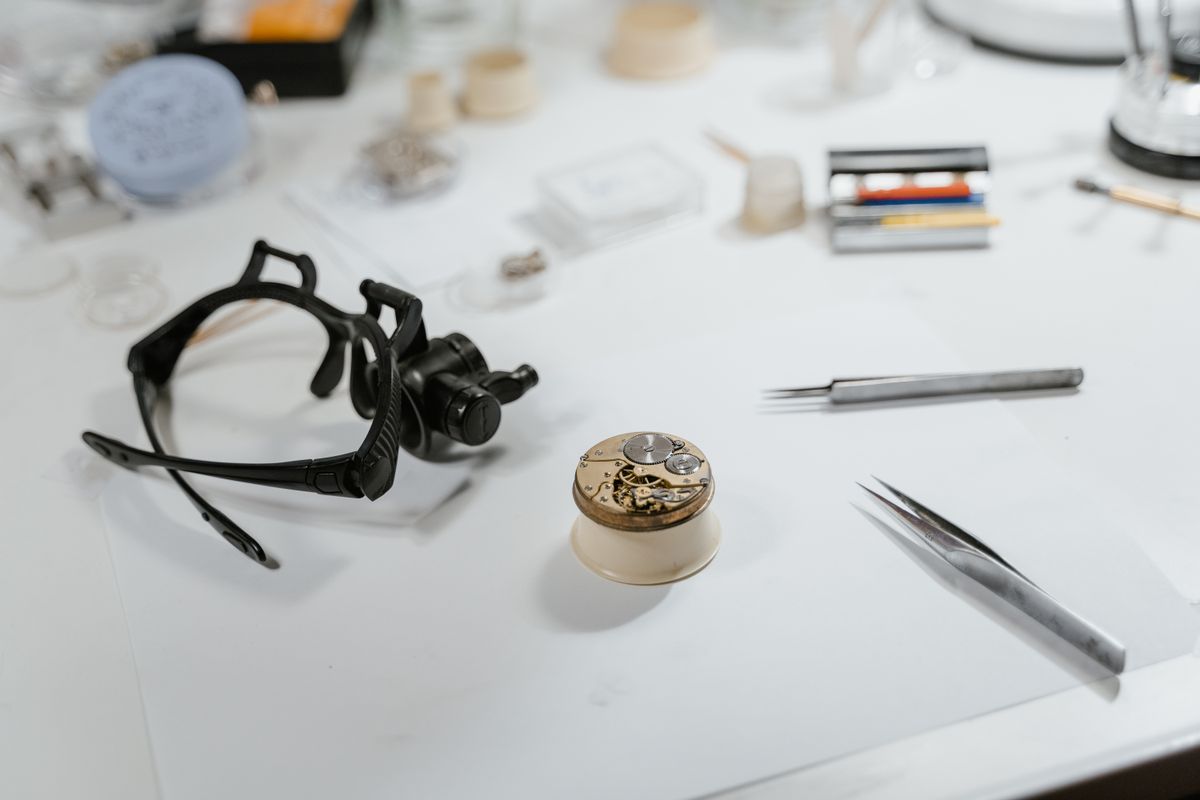
A watch is the item people most often inherit and least often understand. The reason is simple: with a watch, the value is not where you can see it. The case and dial are what you look at; the movement is what you pay for.
First question: what do you actually have
Before any valuation, separate four categories, because they sell in completely different ways:
- Gold watches. If the case is gold, there is a price floor that depends on neither brand nor condition — weight and fineness. That floor is often all the watch is worth, and it is worth knowing in advance.
- Swiss mechanical watches. Here the brand and calibre carry the price. The range is enormous, from negligible to serious money.
- Domestic and Eastern European watches. Yugoslav, Soviet, German. Values are mostly modest, but specific models break away from the pack.
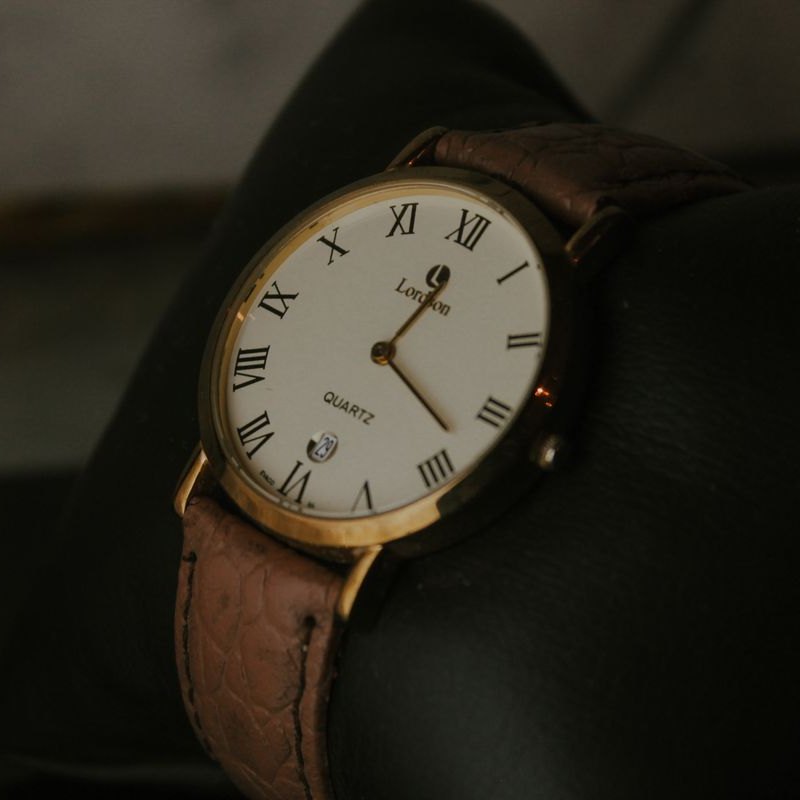
- Quartz watches. With rare exceptions, market value is close to zero regardless of brand or age.
What a buyer actually examines
The order is nearly always the same:
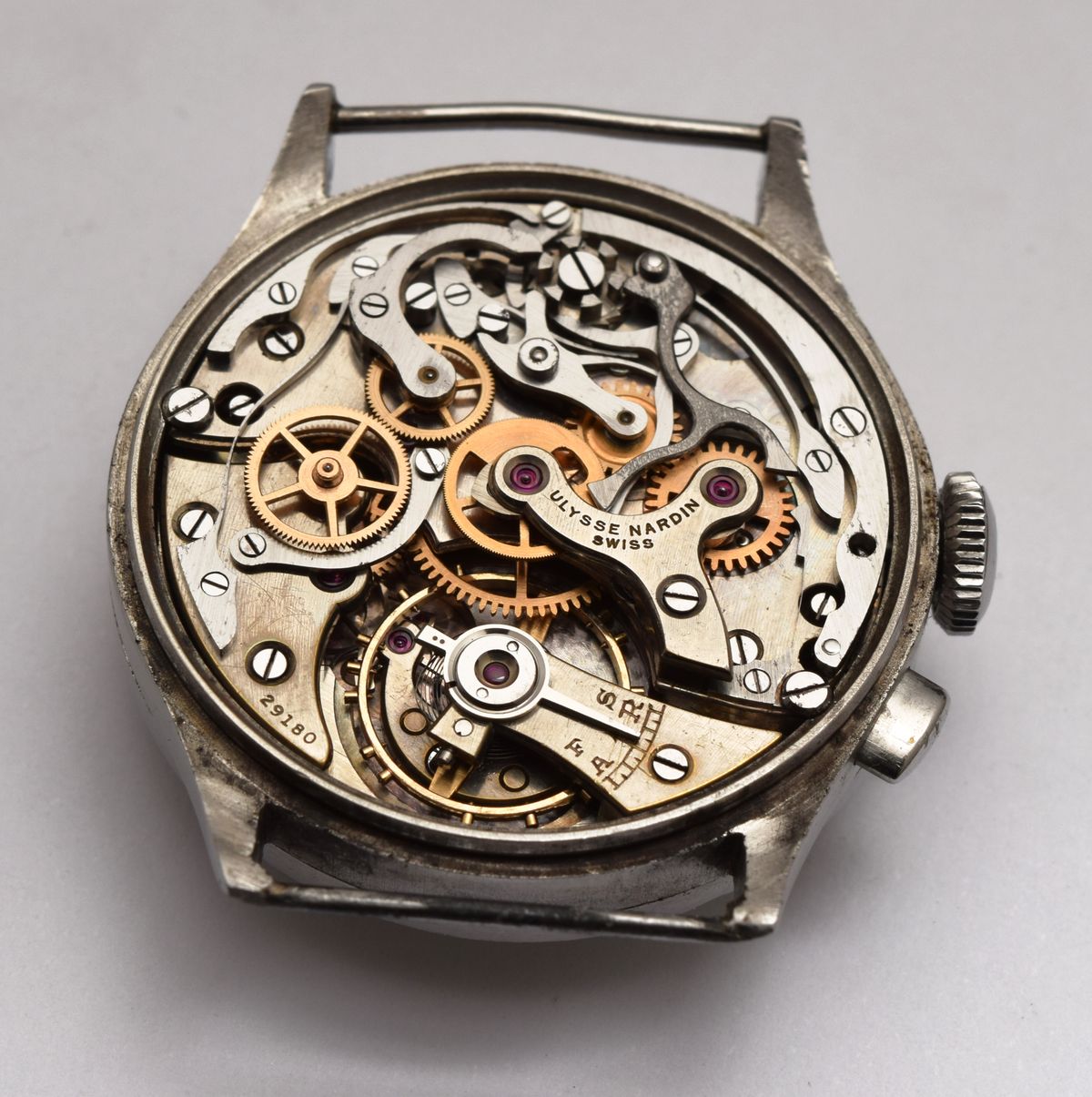
- The movement. The case back comes off and the calibre marking is read. It is the one piece of information that cannot be faked cheaply and that immediately places the watch in a class.
- Originality of parts. Whether dial, hands, crown and case are original. A watch assembled from several watches is worth substantially less than the same model intact, however much better it looks.
- Dial condition. The biggest source of misunderstanding; it gets its own section below.
- The case. Whether it has been polished until the edges disappeared, whether there are marks from previous openings, whether the plating has worn through to brass.
- Whether it runs. It matters, but less than owners think: a service is a known cost, while a missing original part is an unknown one.
Why servicing before a sale often lowers the price
This is the most expensive mistake with inherited watches. A local repair typically means: the dial "refreshed", the hands replaced with new ones, the case polished, and the original crown lost. Each of those erases part of what a collector pays for.
An evenly aged dial with its original lume in the markers is desirable. A repainted dial that looks new is not — and it is spotted instantly, by printing that is too sharp and a shine that is wrong.
Sell the watch as it is. A buyer who knows what they are looking at will pay for the service themselves, exactly the way they want it. A buyer who does not know will not pay the difference anyway.
Where to sell
Direct sale to a buyer is fast and sensible where the price is effectively fixed in advance: gold by weight, mass-market models, uncertain assemblies.
Auction is right precisely when the uncertainty works in your favour — when the watch is unusual, the calibre more sought after than it looks, or the condition better than typical. Then two interested buyers price it more accurately than any estimate, and the difference can be several-fold.
Classified listings work for well-known, easily verified models. For everything else they require you to be the one who knows the price — and if you knew it, you would not be asking.
What to prepare before asking anyone
- A photograph of the dial straight on, no flash, in daylight.
- A photograph of the case back outside and, if it opens without tools, the movement inside.
- A photograph of the case profile and crown.
- Everything that came with it: box, papers, spare links, receipt. Documents can be worth as much as a component.
- One short line of history: whose it was, roughly when it was bought, whether it has been serviced.
With that material, a valuation stops being guesswork — and you enter the conversation on the same side of the table as the person buying.