Journal
Guides to buying, valuing and selling collectibles in Serbia.
Every article belongs to one section, by type of item. Tags cut across sections: what you want to do, which period and which metal.
The movement, not the dial: how the calibre sets a watch’s class, gold versus plating, and spotting watches assembled from parts.
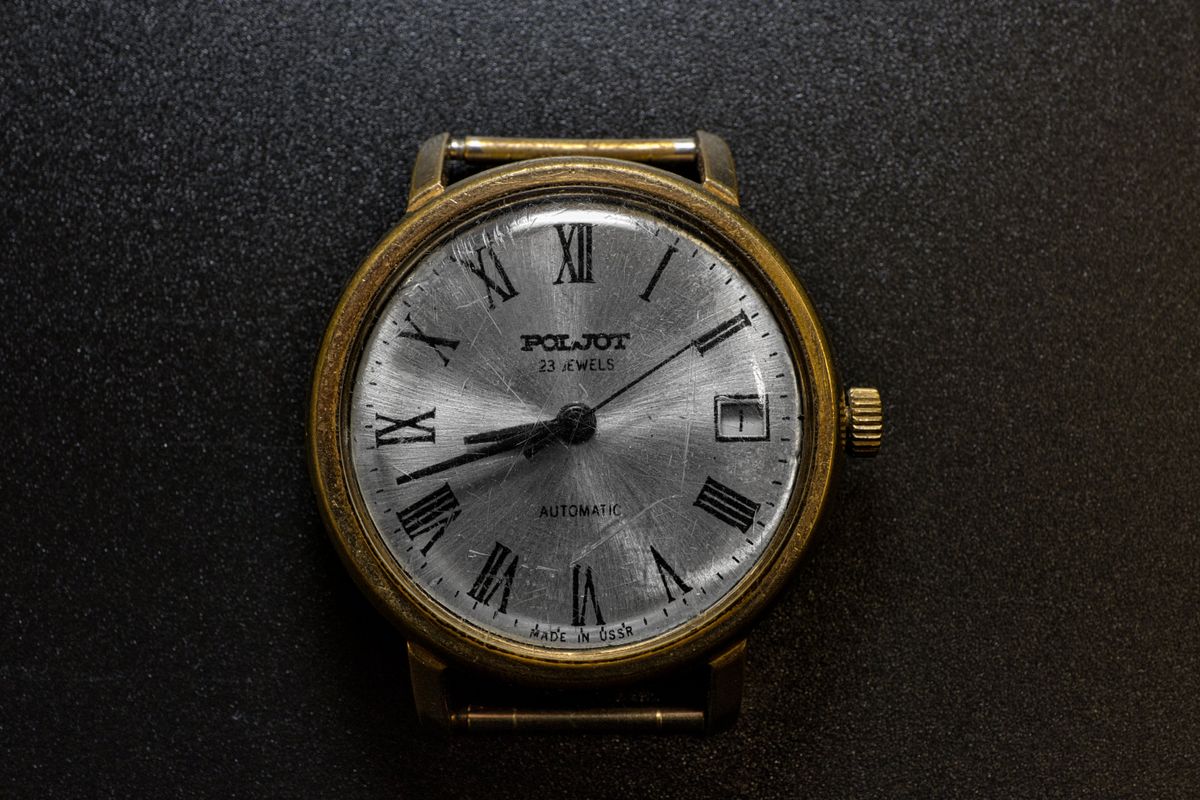
Soviet mechanical watches in Serbia: Poljot, Raketa, Vostok — what has value?
Why ninety per cent of Soviet watches are cheap, which models break away from the pack, and how to spot a watch assembled from parts — this market’s commonest problem.
Read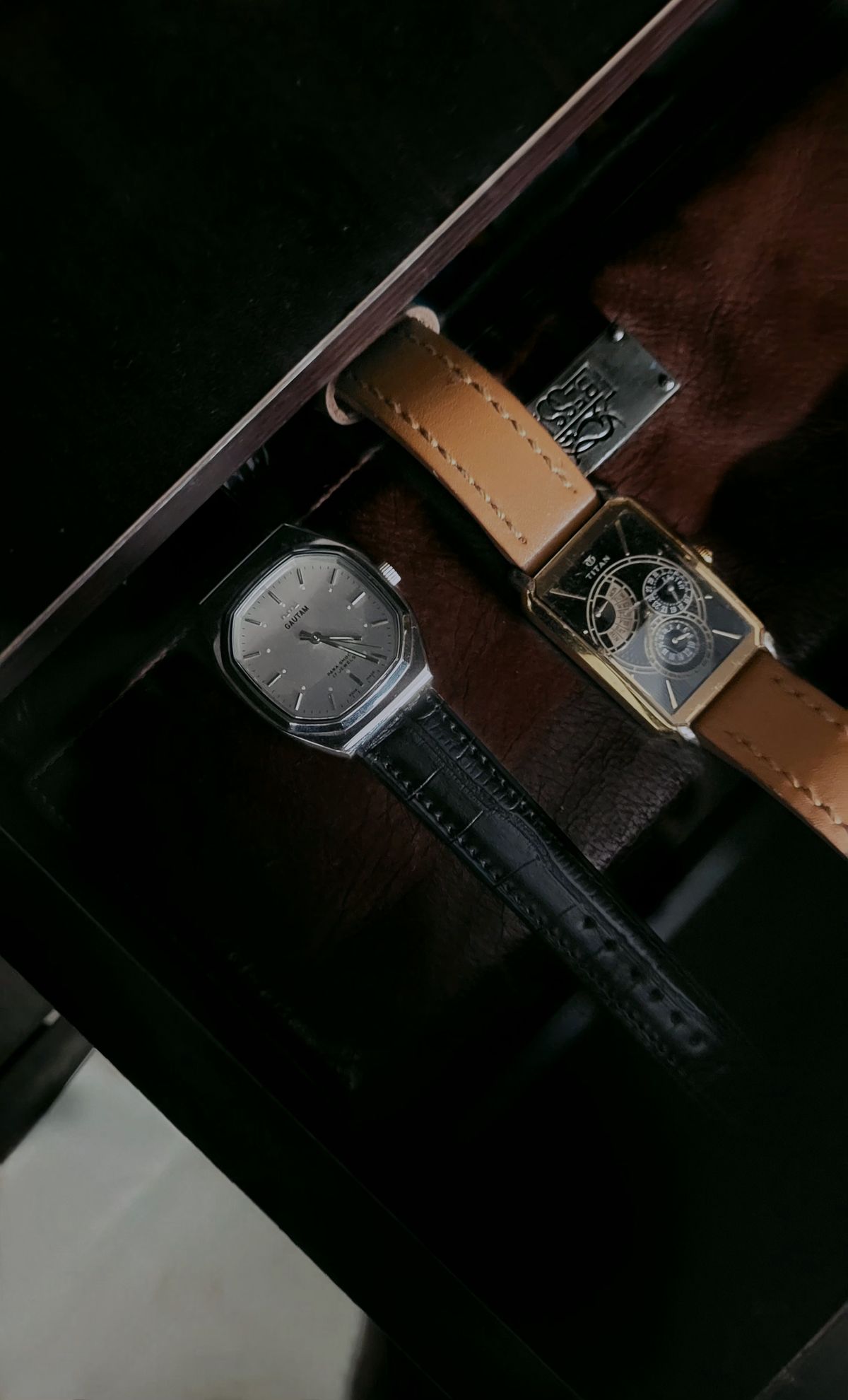
Vintage Swiss watches: verifying an original and checking the movement
Serial numbers, calibres and fineness hallmarks: the practical checks before buying or selling, and why an "assembled" watch is a commoner problem than a fake.
Read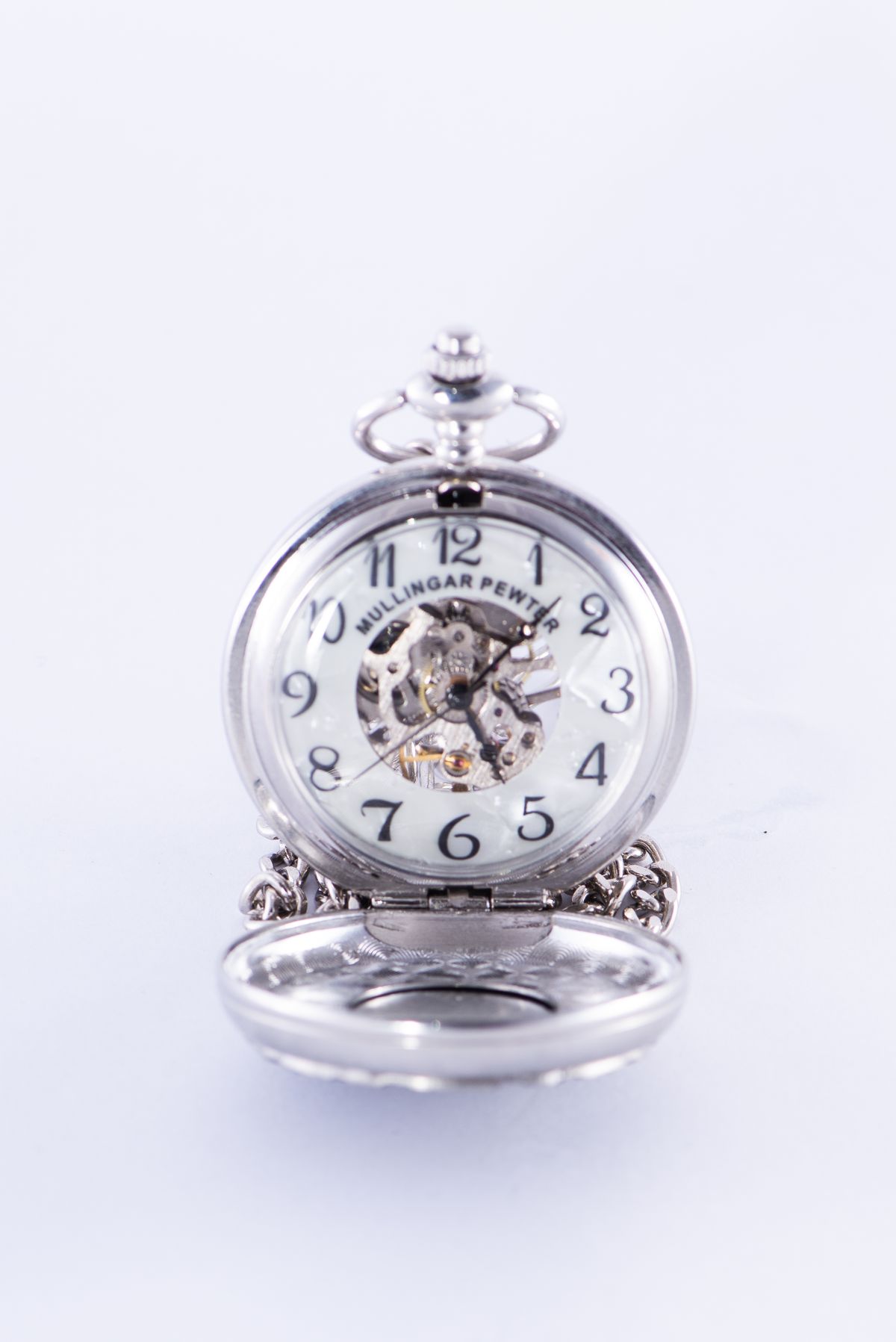
Railway pocket watches (JDŽ / JŽ): spotting originals and what collectors want
Service watches of the Yugoslav railways: who supplied the movements, what the case-back markings mean, and why the engraving is sometimes worth more than the watch.
Read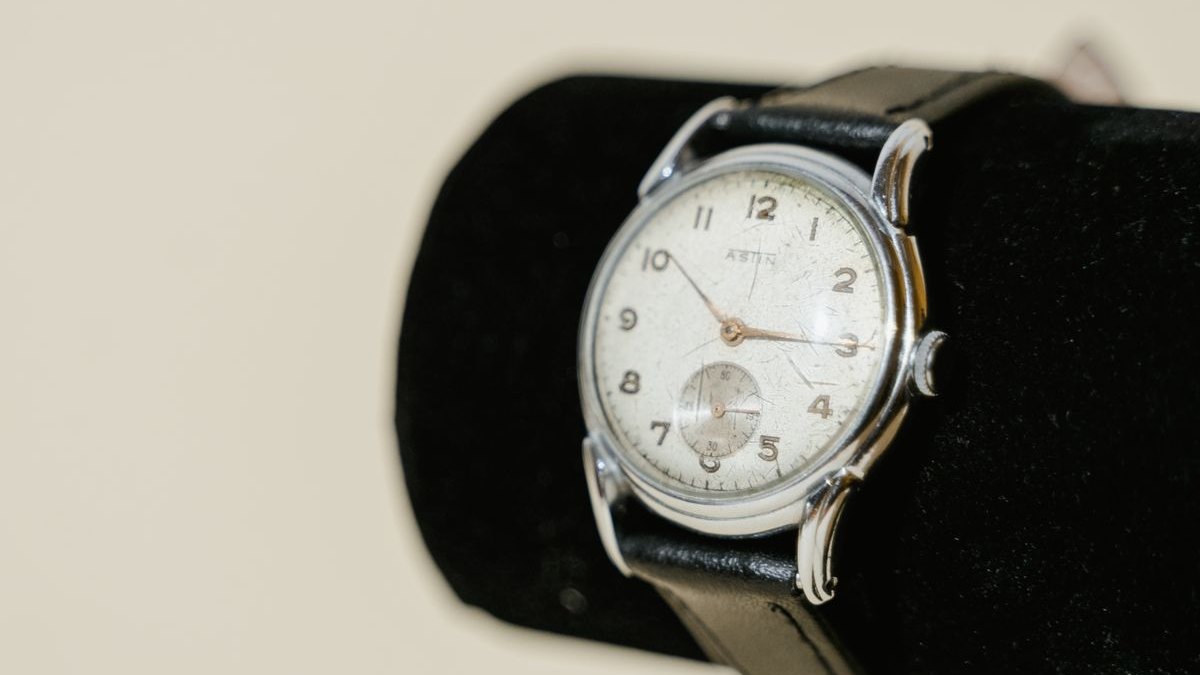
Darwil watches: history, models and what they really fetch
The most widespread watch of the Yugoslav era: which versions collectors actually want, why most are worth little, and how not to sell a gold case at plated prices.
Read
Selling old watches: a guide for owners of mechanical and pocket watches
How to assess an inherited watch before selling: what a buyer actually examines, why servicing beforehand often lowers the price, and when auction beats a direct sale.
Read