Soviet mechanical watches in Serbia: Poljot, Raketa, Vostok — what has value?
Why ninety per cent of Soviet watches are cheap, which models break away from the pack, and how to spot a watch assembled from parts — this market’s commonest problem.
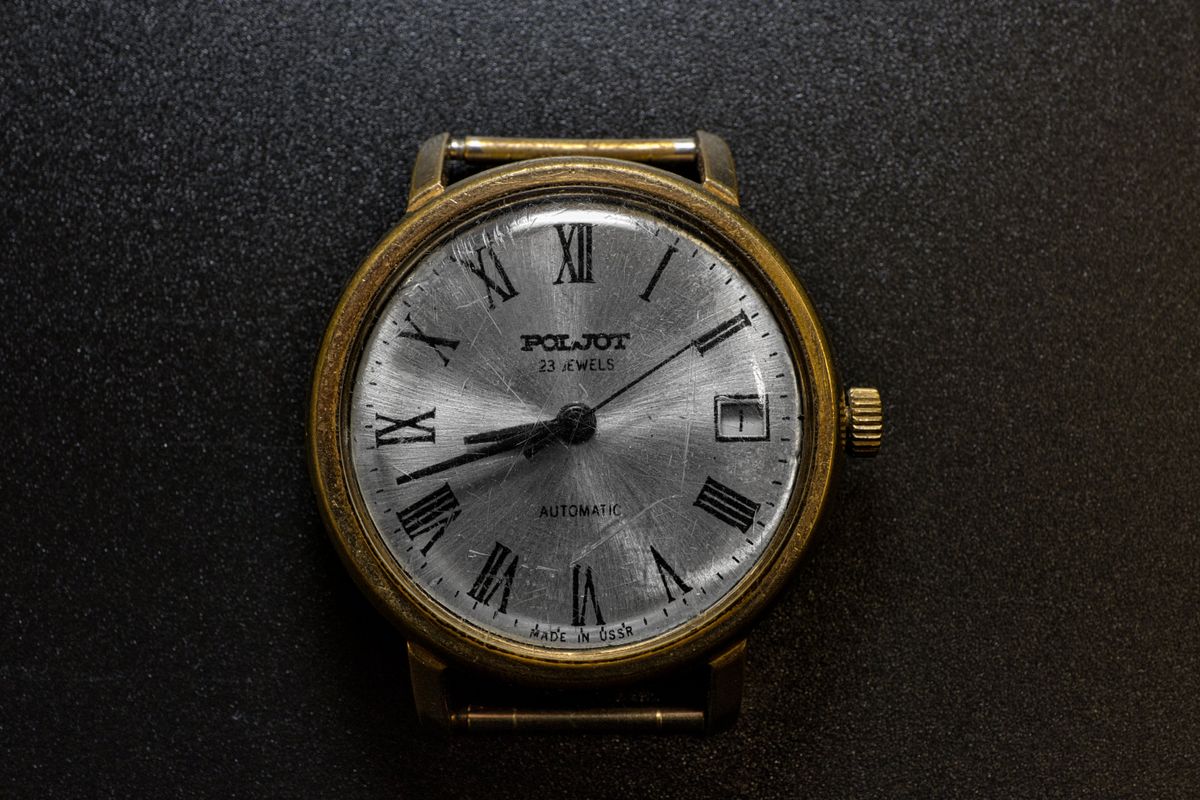
Soviet watches are the cheapest way into mechanical watches, which is why they are everywhere. Production was enormous, quality surprisingly solid for the price, and exports to this region plentiful. All of that means the same thing: most examples are worth little today, and that will not change.
The interesting part is the narrow layer that breaks away.
What breaks away, and why
Chronographs. Soviet two-pusher chronographs are the most sought-after segment in the category. The reason is simple: a chronograph is a complex movement, made in incomparably smaller numbers than ordinary watches, and asked for by an audience that otherwise buys dearer watches.
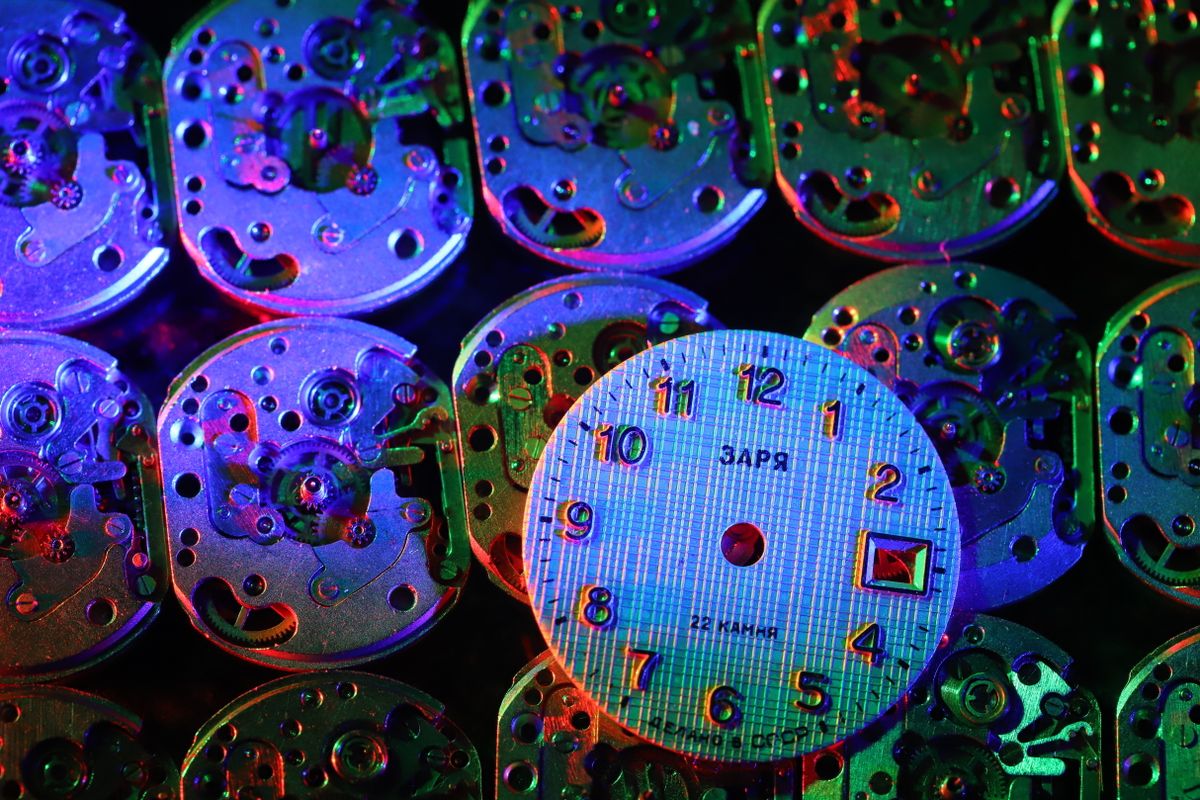
Purpose-built watches. Military, diving, navigator models, and pieces marked for ministries or units. The value here is in documented purpose rather than the movement — and for exactly that reason this is the segment with the most rebuilds.
Early models and first series. Each factory's first watches, output from the 1950s and early 1960s, models from short production windows.
Unusual designs. Ultra-thin calibres, watches with non-standard dials, export versions with different dial text.
Anything untouched with box and papers. With cheap mass-market goods, completeness is the rarest property — because it never occurred to anyone to preserve it.
What does not break away
An ordinary three-hand wristwatch, hand-wound or automatic, in a plated or steel case, in "it was running a couple of years ago" condition — that is lot material, not an individual listing. Not worthless; simply not worth the hours an individual sale would consume.
The main risk: a watch assembled from parts
This market has a specific problem. Parts are cheap and available, so building an "interesting" watch out of ordinary ones pays in a way it does not with expensive brands.
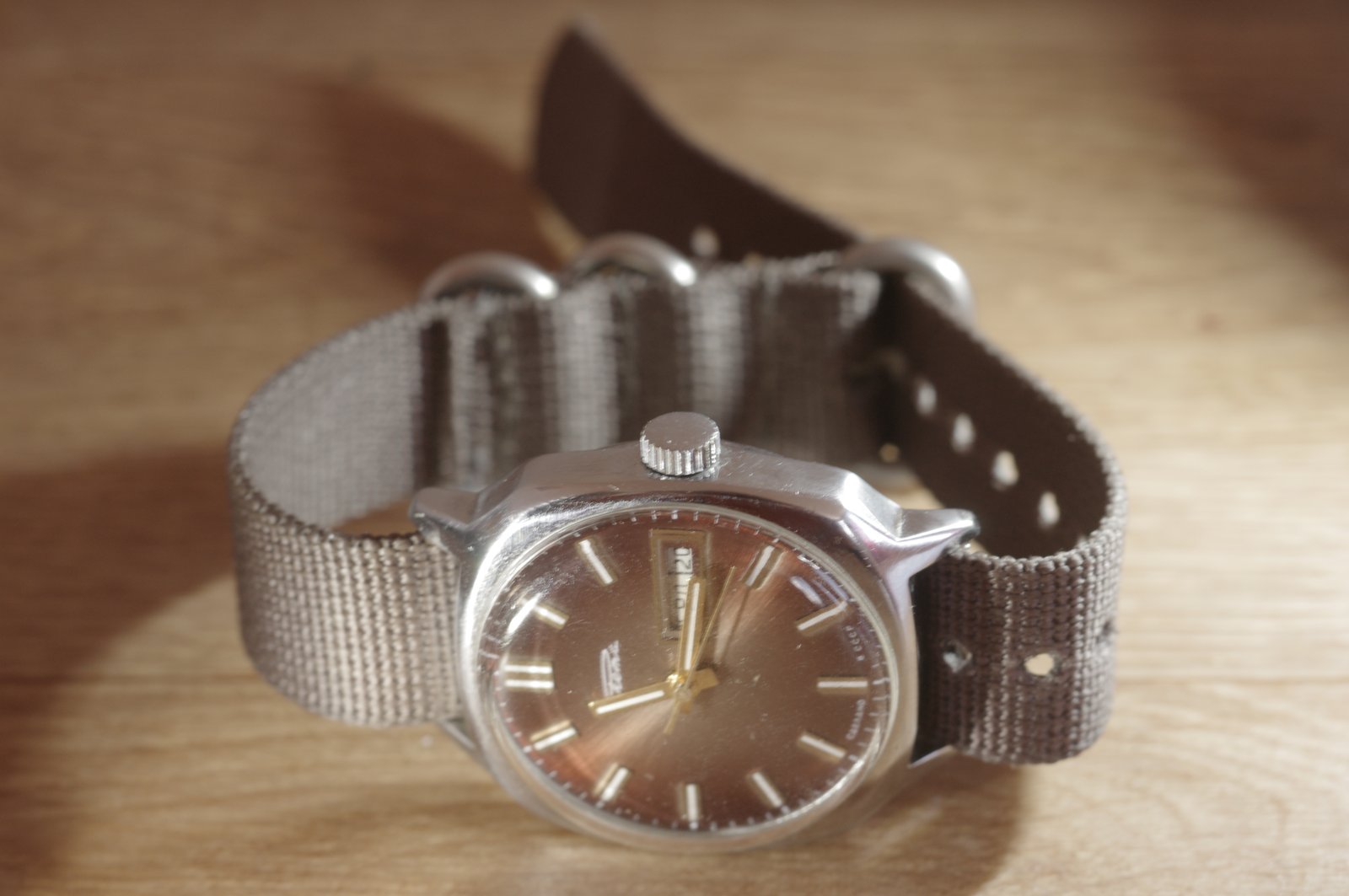
Фото: Raminagrobis · CC BY-SA 4.0 · Wikimedia Commons
What to watch for:
- A dial fresher than the case. The commonest tell. A case with thirty years of wear and a dial without a single blemish do not belong together.
- Unit and ministry markings added later. Engraving must share the fate of the surface it sits on.
- Hands that do not belong to the model. Easily changed, and frequently changed.
- A case that does not suit the calibre. A movement that rattles in its case, or is held in improvised fashion.
The rule that holds everywhere holds most strongly here: a watch in which everything has aged equally is probably original. A watch with one conspicuously fresh component is not, however handsome that component is.
How to sell
A lot is the right format for ordinary mass production. Group it by a logic a buyer understands: "six hand-wound watches, all running", "four for parts", "five from the same factory". A random pile sells at a price unrelated to its contents.
An individual auction makes sense for chronographs, purpose-built models, early series, and anything with papers. The audience there is narrow but informed, and the gap between "sold to someone" and "sold to the right buyer" can be several-fold.
For photographs: the dial from above without flash, the case profile, the case back with every marking, and — without exception — the movement. On Soviet watches the movement is the one part that is not easily swapped, and therefore the only one that proves what the watch actually is.