Rare Yugoslav SFRJ Coins: Are Old Dinar Coins Worth More Than Face Value?
Collector guide to socialist Yugoslav coins: key dates, trial strikes, condition grading, and why 1950s aluminium dinars in mint state fetch serious money.
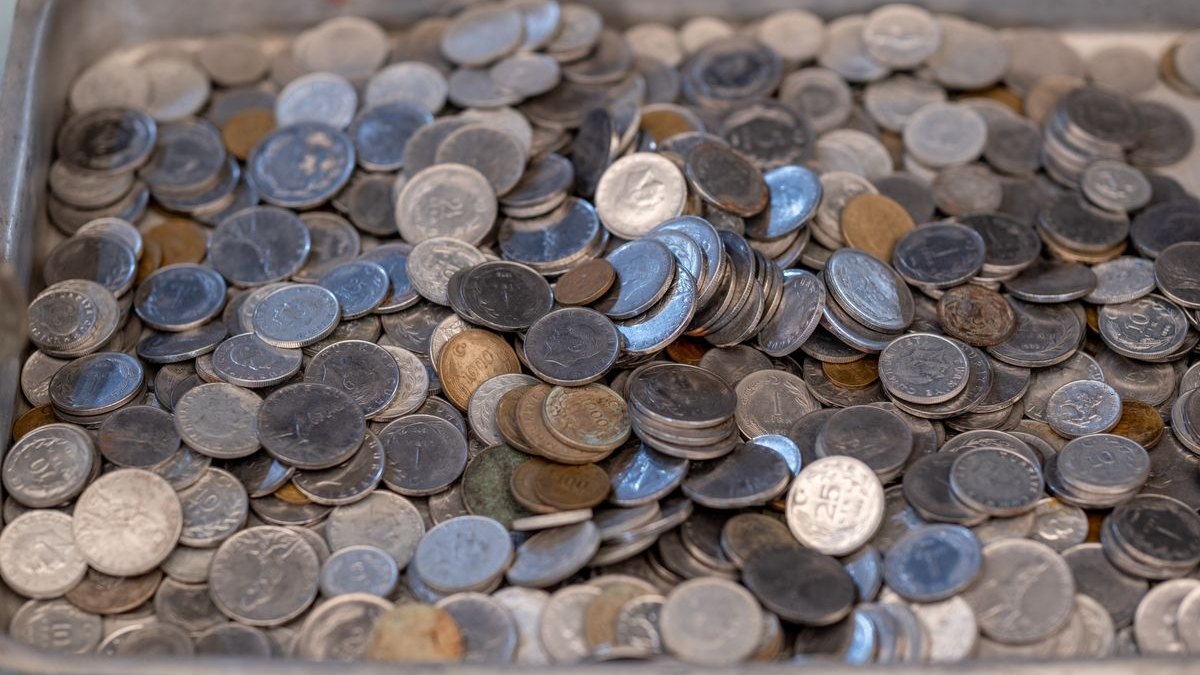
Almost every household across Serbia and the former Yugoslavia has a jar or tin can filled with socialist-era coins. Heavy brass dinars, lightweight aluminium coins stamped with the six-torch coat of arms, and commemorative pieces from the 1980s are preserved as nostalgic family keepsakes. But collectors frequently ask: is any of this loose change actually valuable?
The short answer: 95% of Yugoslav circulation coinage has nominal value (often traded by weight), but the remaining 5% includes rare key dates, trial proofs, and gem uncirculated survivors worth hundreds of euros.
Bulk Mintage vs. Numismatic Scarcity
Between 1965 and 1990, the National Bank of Yugoslavia minted coins in the tens and hundreds of millions. Everyday dinars saw heavy use. In worn condition, their market price is very low.
True value is governed by three fundamental parameters:
- Mintage numbers and key dates: Specific years had severely reduced production runs.
- Condition (Grading): A coin in gem Uncirculated (UNC) grade with original mint luster can command 20 to 50 times the price of an identical circulated piece.
- Patterns and trial strikes: Pre-production test pieces minted prior to mass output.
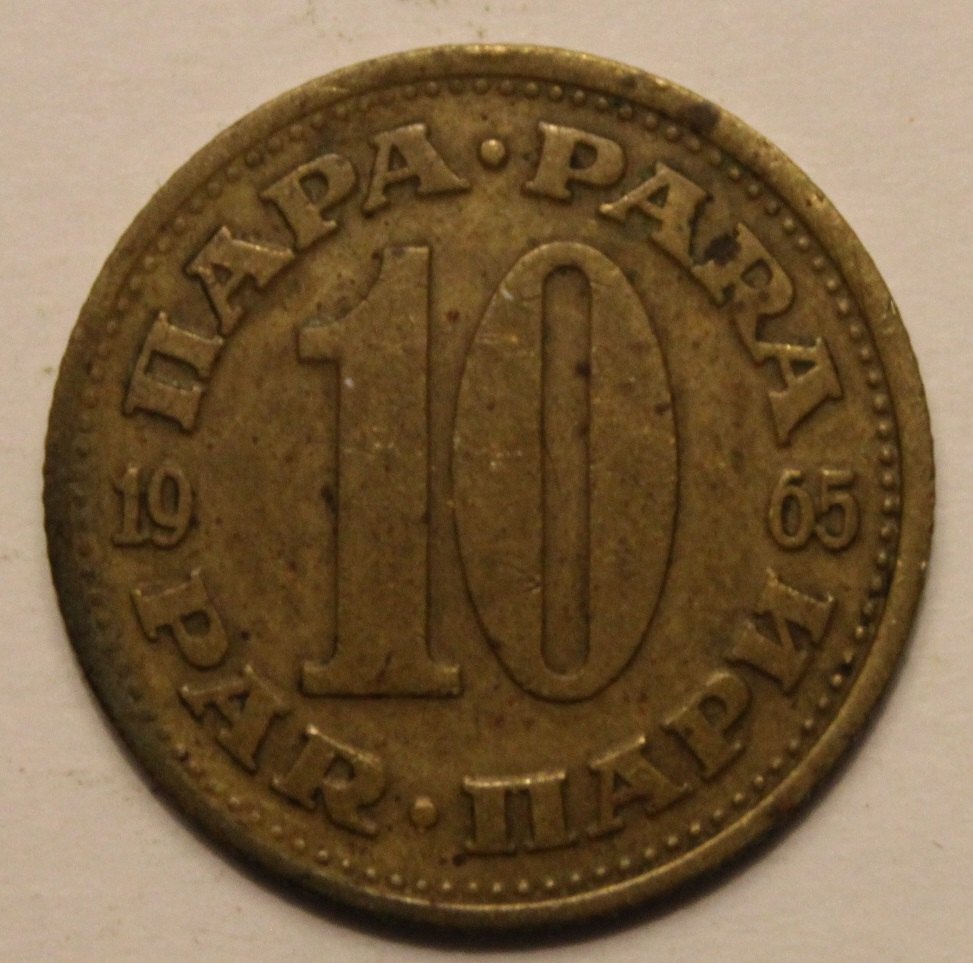
Фото: Forbes72 · CC BY-SA 4.0 · Wikimedia Commons
Key Circulation Coins to Watch For
When inspecting a batch of Yugoslav coins, pay close attention to:
- The 1953 Series (FNRJ): Struck in aluminium. Uncirculated examples with pristine surfaces are extremely rare because aluminium scratched easily in daily commerce.
- 50 Para 1953 varieties: Specific trial compositions and die varieties documented in Balkan numismatic literature.
- Official Mint Sets: Uncirculated and Proof sets packaged in original plastic cases by the National Bank of Yugoslavia for foreign collectors.
Pattern and Trial Strikes (PROBA)
The most prestigious and costly segment of Yugoslav numismatics consists of pattern and trial strikes (probe). Before a design was approved for nationwide production, the Belgrade Topčider mint (ZIN) or international mint partners produced test strikings in alternate metals (silver, copper, nickel, or zinc).
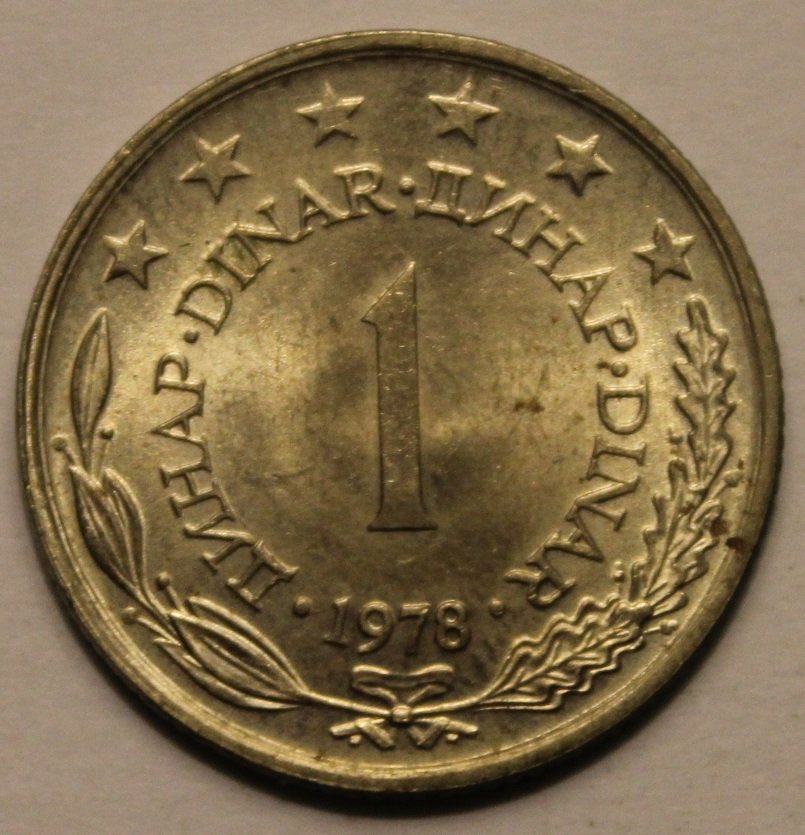
Фото: Forbes72 · CC BY-SA 4.0 · Wikimedia Commons
These rare specimens usually bear the stamped inscription PROBA or appear in unexpected alloys. They were never issued to the general public, circulating only among banking officials and archives. At collector auctions, genuine Yugoslav trial strikes readily achieve 500 to over 3,000 euros.
Commemorative Silver and Gold Coinage
Yugoslavia produced internationally acclaimed commemorative series:
- 1979 Mediterranean Games in Split
- 1984 Winter Olympics in Sarajevo
- Anniversary issues honoring AVNOJ, Josip Broz Tito, and Victory Day.
While loose silver pieces often trade close to their bullion silver melt value, complete sets preserved in pristine Proof quality with original boxes and certificates command solid collector premiums.
Crucial Rule: Never clean old coins with baking soda, metal polishes, or harsh chemicals. Cleaning strips away the historical patina and factory luster, instantly erasing up to 80% of the coin's auction value.
Valuing and Selling Yugoslav Coins
Organize your coins by decade, metal, and condition. Common pocket change is best sold as bulk thematic lots, whereas uncirculated rarities and trial patterns should be placed in transparent online auctions to attract serious collectors from across the region.