Journal
Guides to buying, valuing and selling collectibles in Serbia.
Every article belongs to one section, by type of item. Tags cut across sections: what you want to do, which period and which metal.
Coins from the Nemanjić era to Yugoslavia: what lifts the price above metal value — year, mintage, condition and an untouched surface.
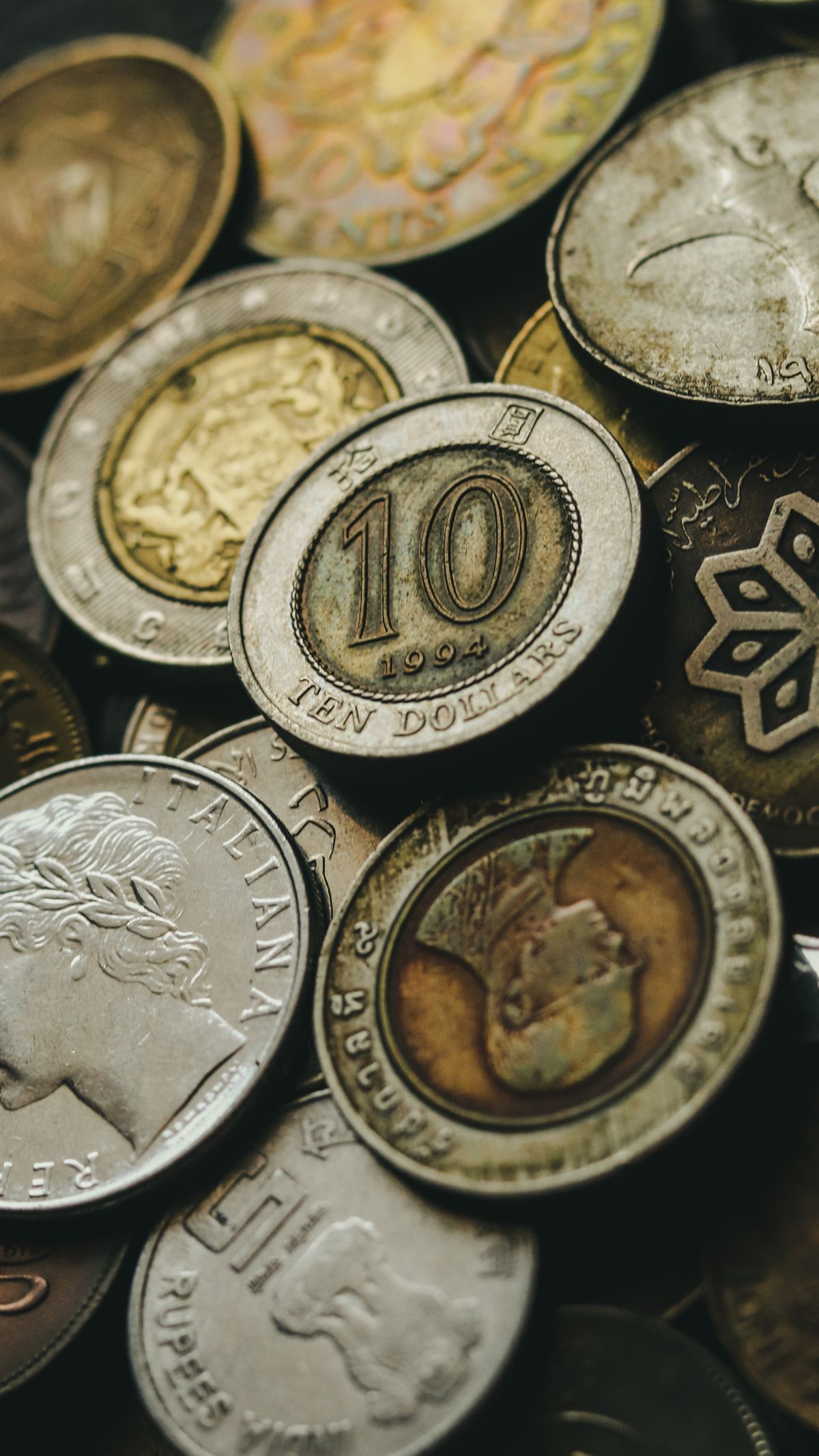
Where numismatics ends and metal begins
Every silver coin has two prices. How to calculate the lower one in a minute, what lifts a coin above it, and why 1938 silver and the Yugoslav commemoratives rarely go past metal.
Read
Gold coins of the Kingdom of Serbia: the milandor, the Union standard and real value
Serbian gold from 1879: which pieces exist, why they weigh the same as a napoléon, how the price is calculated, and how to spot a cast copy.
Read
Rare Yugoslav SFRJ Coins: Are Old Dinar Coins Worth More Than Face Value?
Collector guide to socialist Yugoslav coins: key dates, trial strikes, condition grading, and why 1950s aluminium dinars in mint state fetch serious money.
Read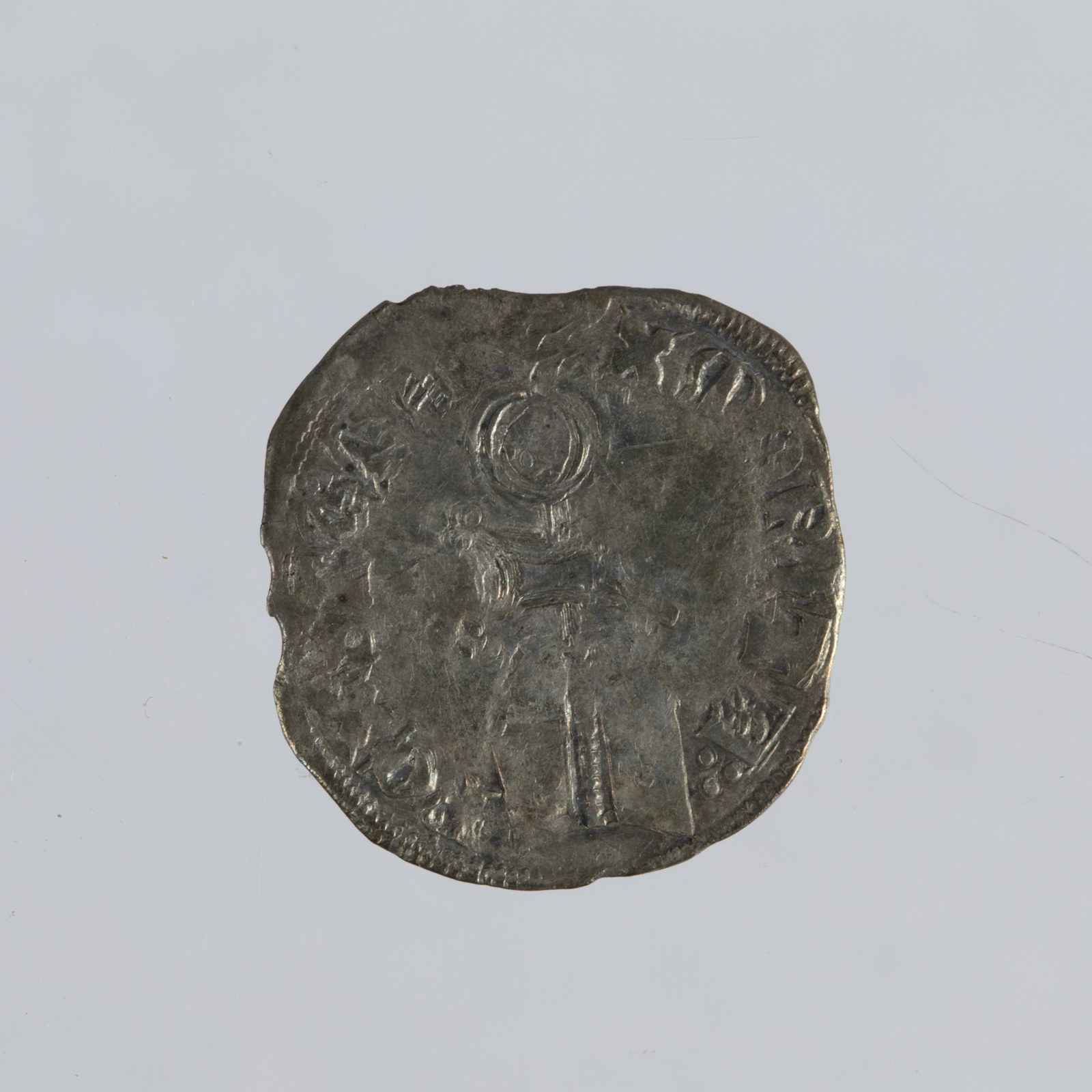
Muzeul Național de Istorie a României · CC BY 4.0 · Europeana
Medieval Serbian coinage: Nemanjić dinars and what they are worth
Who struck them, where, and on what model; how hammered coinage is recognised; and why documented provenance decides whether this category sells at all.
Read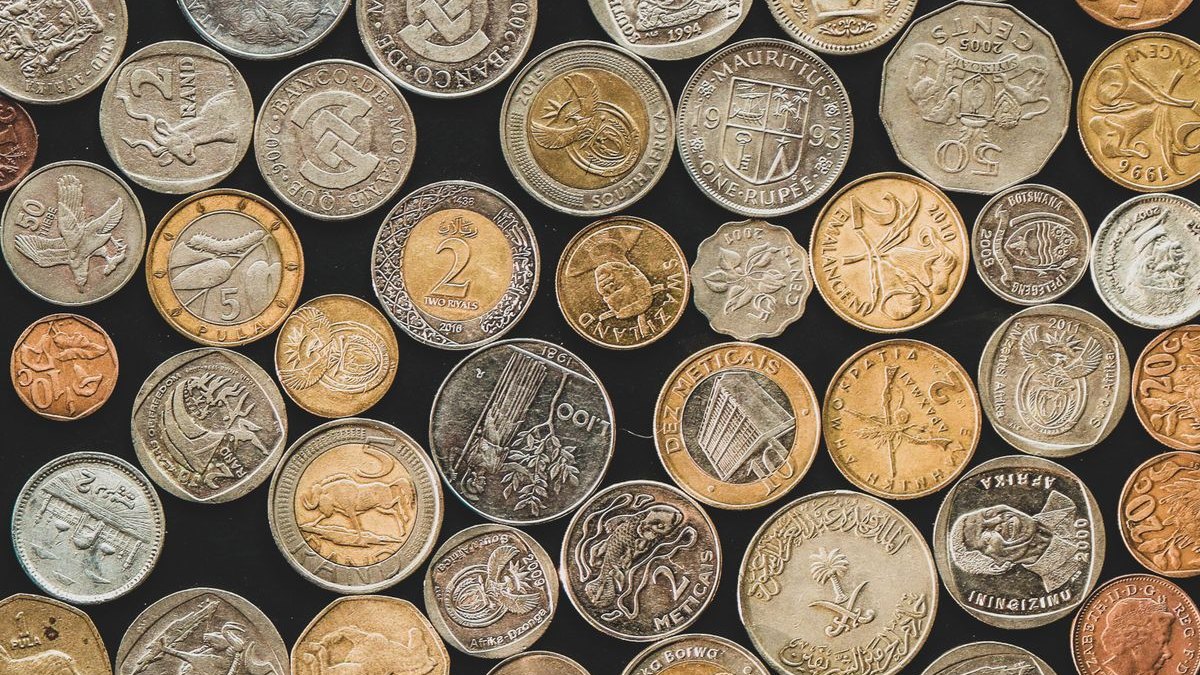
Coins of the Kingdom of Serbia and the SHS: what silver dinars are worth
Royal-period silver from 1875 to 1938: what makes one year worth many times another, how wear is assessed, and which varieties collectors chase.
Read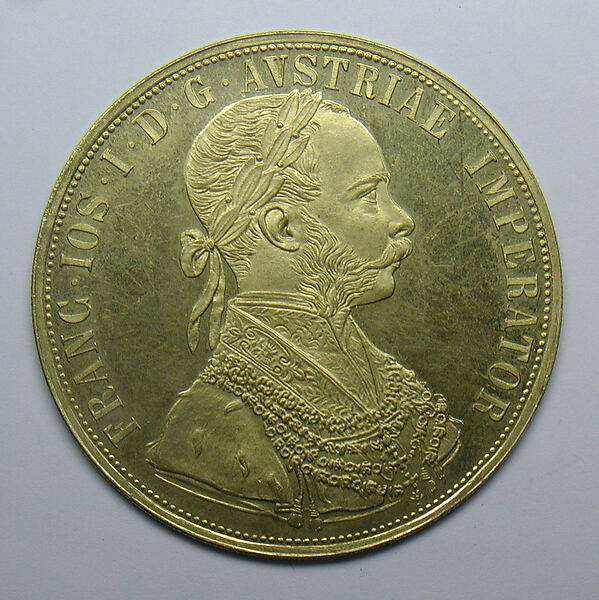
Small and large Franz Joseph ducats: fineness, weight and how value is calculated
The Austro-Hungarian ducat standards, the difference between circulation originals and restrikes, and why the price is calculated from gold content upwards.
Read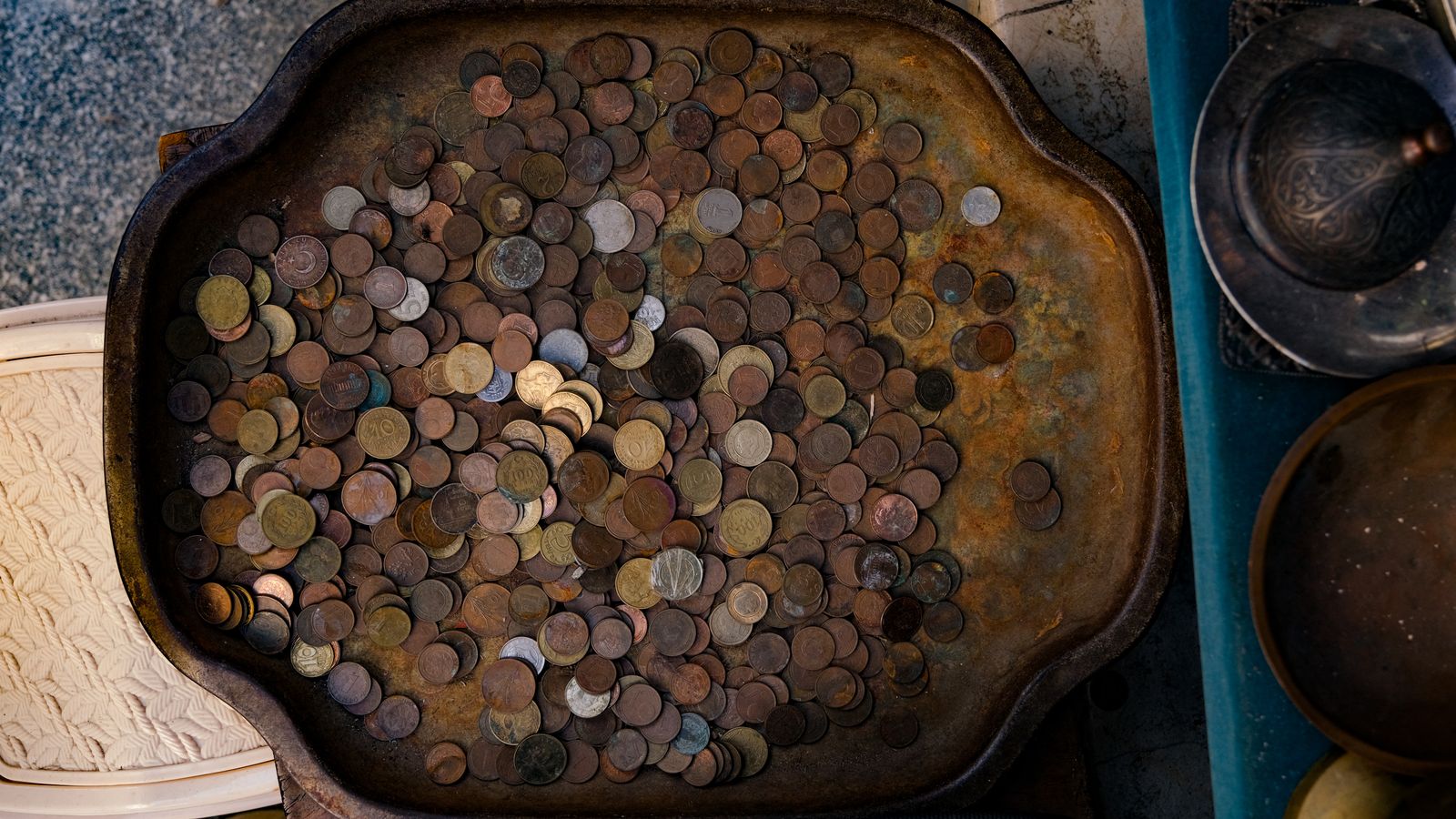
Coin valuation and buying: where and how to sell old coins safely
How a coin price is formed, why cleaning destroys value, how to spot a copy, and which sales channel suits which kind of money.
Read