Medieval Serbian coinage: Nemanjić dinars and what they are worth
Who struck them, where, and on what model; how hammered coinage is recognised; and why documented provenance decides whether this category sells at all.
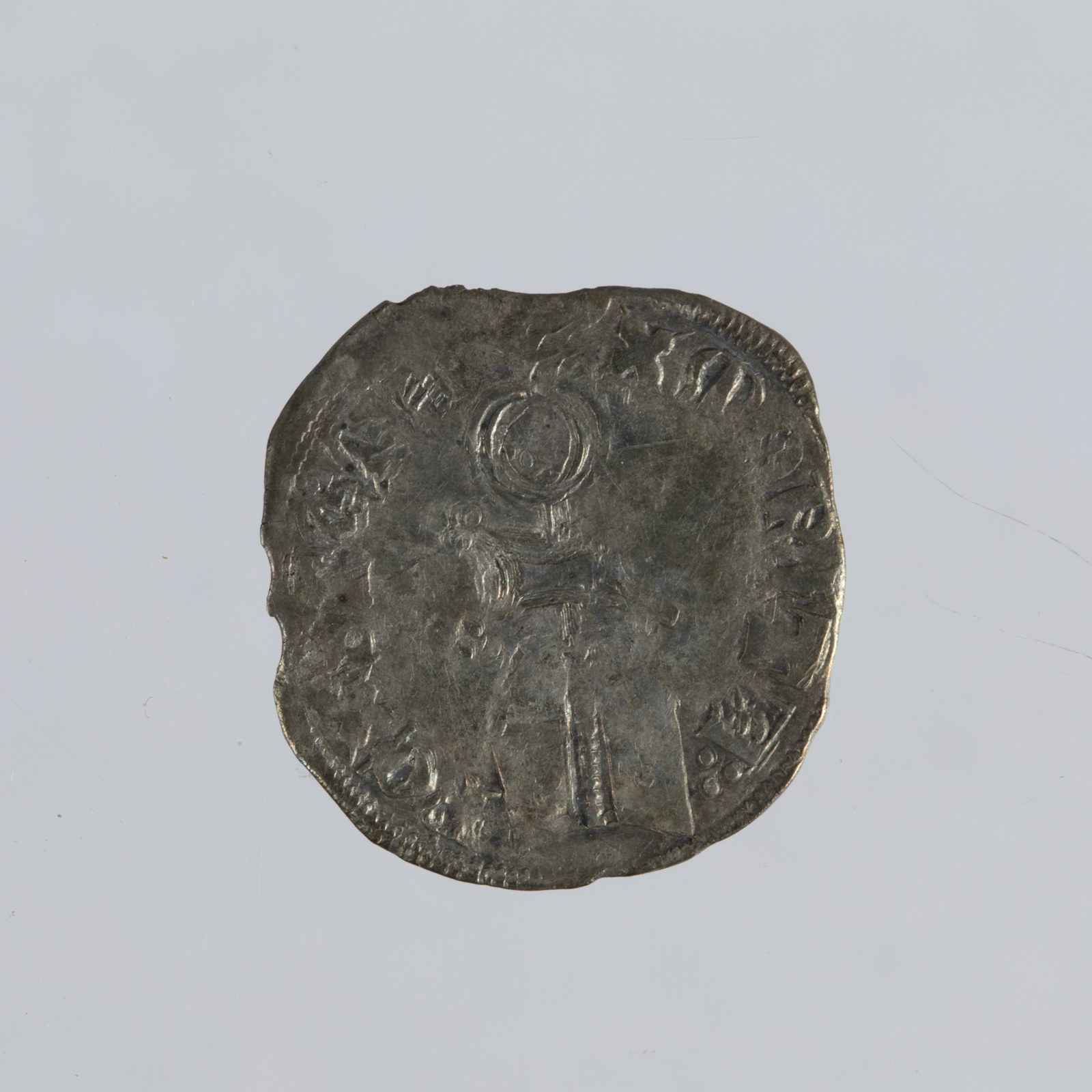
Muzeul Național de Istorie a României · CC BY 4.0 · Europeana
Medieval Serbian coinage is the most serious layer of domestic numismatics. What sells here is not nostalgia but a historical document, and the buyers are a narrow, well-prepared market: collectors, museums and researchers.
A short historical frame
The Serbian state began striking its own silver in the thirteenth century, at a point when mining — Brskovo, later Rudnik and Novo Brdo — supplied both the raw material and the reason. The model was the Venetian grosso (matapan), then the leading silver coin of the Adriatic and Mediterranean, and the resemblance was deliberate: money that looks like familiar money is accepted more readily in trade.
The resemblance went far enough that Venice protested, and an echo of that complaint reached literature — Dante, in *Paradiso*, mentions the king of Rascia and his debasement of Venetian coin. For numismatics this is useful: it means there is a documented dispute that dates and contextualises the issues.
Through the fourteenth century striking expands and grows more complex, with the greatest number of types tied to the reigns of King Milutin and Emperor Dušan.
What a genuine example looks like
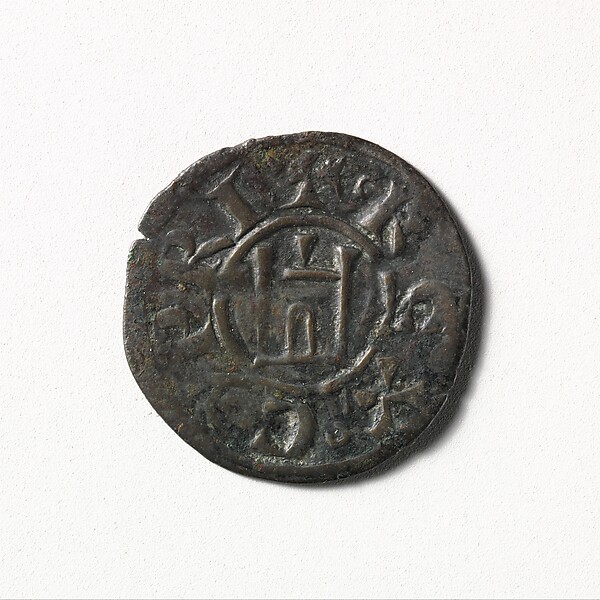
Medieval coinage was hammered: a silver blank was placed between two dies and struck with a hammer. Hence the features an untrained eye reads as damage, which in fact prove the method of manufacture:
- An irregular edge. Blanks were not perfectly round and did not need to be.
- An off-centre strike. Part of the legend often runs off the flan.
- Uneven thickness. One side is struck more firmly than the other.
- A double strike. The die shifted between blows, leaving a faint ghost of the design.
- Metal flow marks at the rim, where silver was pushed out beyond the die under pressure.
Modern cast copies have none of this. They have an edge that is too regular, soft relief, and often small bubbles in the fields — because cast metal cools differently from struck metal.
What sets the price
Type and ruler. The number of known types is large and their frequency varies enormously. Common types are available; rare ones appear once every few years.
Legibility of the legend. In this category that matters more than general condition: a piece with an off-centre but readable legend is worth more than a centred one whose legend cannot be made out, because the legend determines the attribution.
Mint. Where it can be established, it changes the value substantially.
Condition of the silver. Corrosion, cracks, a leached surface from time in the ground.
Provenance. Which deserves its own section.
Why provenance is decisive here
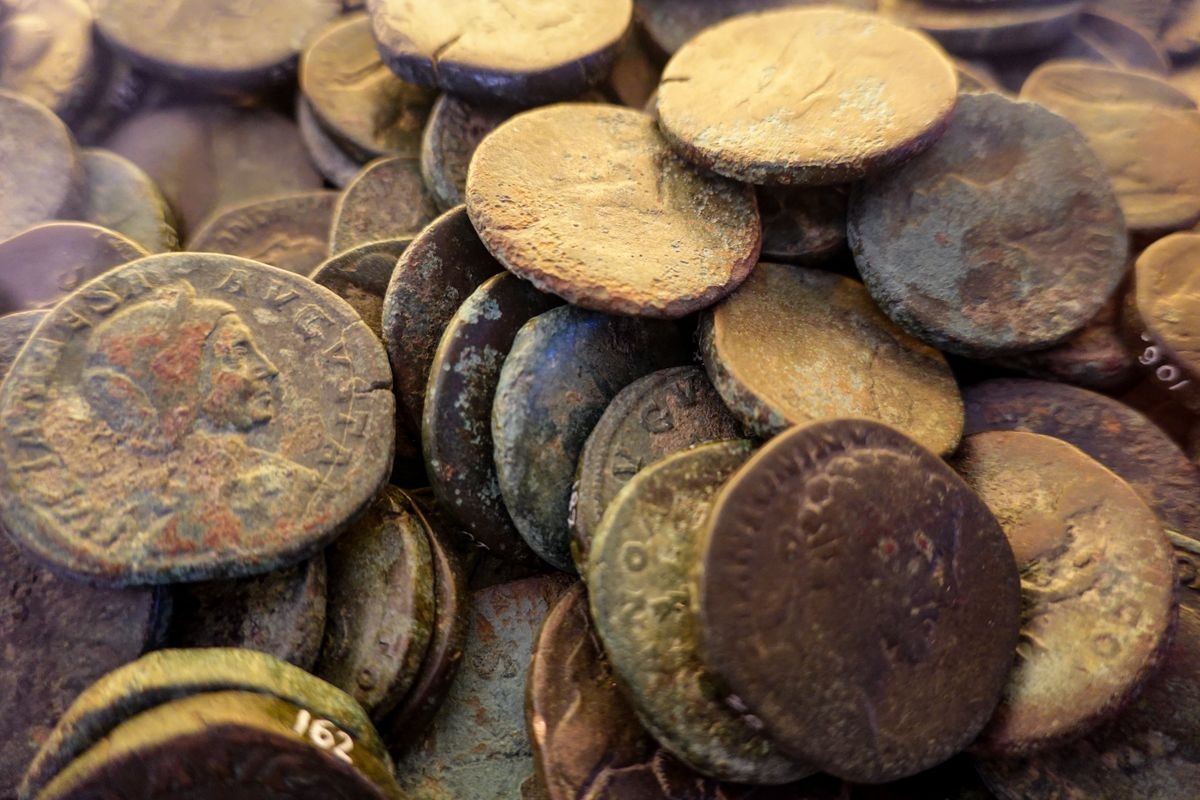
Objects of this period are frequently archaeological finds, and their trade is legally regulated in most European countries. For a seller that means something entirely practical: an item with a documented history sells; an item without one sells with difficulty and cheaply.
The documentation need not be museum-grade. Anything showing long-standing legal circulation helps:
- an old auction receipt or catalogue page with a description,
- an invoice or purchase agreement,
- a photograph of the item in an older collection,
- inheritance paperwork if the collection is a family one,
- an old collector's card with a number and a note.
If no such paper exists, the first step is not selling but checking the item's legal status. That conversation happens before the item is offered anywhere, not after.
With medieval coinage the order is always the same: attribution first, legal status second, price third. A skipped step can undo the whole transaction.
How to sell
Auction is close to the only option here. The audience is small and scattered — a few dozen serious collectors and institutions — and the only way to bring them all to the same item at the same time is open bidding with a catalogue published in advance.
To consign, prepare: photographs of both faces straight on in diffuse light, the weight to two decimal places, the diameter, and whatever documentation exists. No cleaning, no "refreshing" of the surface, no straightening.