Railway pocket watches (JDŽ / JŽ): spotting originals and what collectors want
Service watches of the Yugoslav railways: who supplied the movements, what the case-back markings mean, and why the engraving is sometimes worth more than the watch.
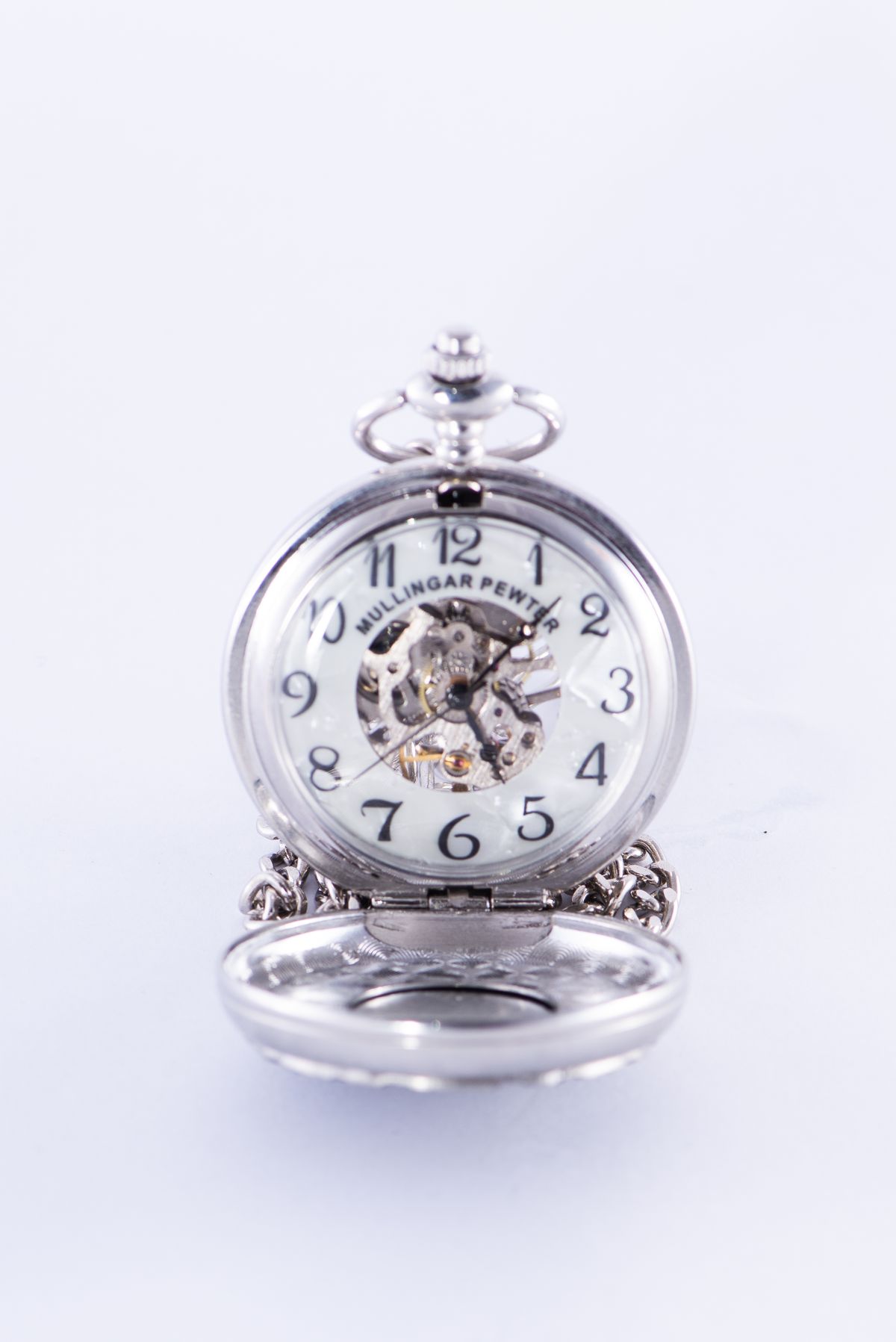
Railway pocket watches are one of the few categories where the object carries a documented story, and the story carries the price. A watch that was official equipment is not the same as a watch of the same make somebody bought for themselves — even if the movement is identical.
Why railways had their own watches
Before radio, railway operation relied on accurate time as a safety system. A watch running slow or fast was not an inconvenience but a hazard, so railways across Europe procured watches to strict requirements: large legible numerals, dependable rate, regular checking, and record-keeping by number.
Hence the traits that identify them: an undecorated dial, large Arabic numerals, a sub-seconds register at six, and an inventory number on the case back.
Who supplied the movements
The Yugoslav railways did not manufacture watches — they bought them. In service use here you encounter movements by Swiss makers, of which the best known are Cortebert, Zenith and Longines, alongside other suppliers from the same circle. The movement itself was often that maker's standard calibre; what makes the watch a railway watch is the combination: purpose-made dial, case, and official markings.
That is the crux of any valuation. The movement sets the basic class of the watch; the markings decide whether it is an ordinary example or a documented piece with history.
What exactly to examine
Case-back markings. The railway administration's abbreviation and an inventory number, usually hand-engraved. Engraving worn down along with the rest of the case back is a good sign; sharp engraving on an otherwise worn case back is cause for caution.
The dial. Enamel or metal, undecorated, with large numerals. Hairlines in the enamel are common and tolerated; a repainted dial is not.
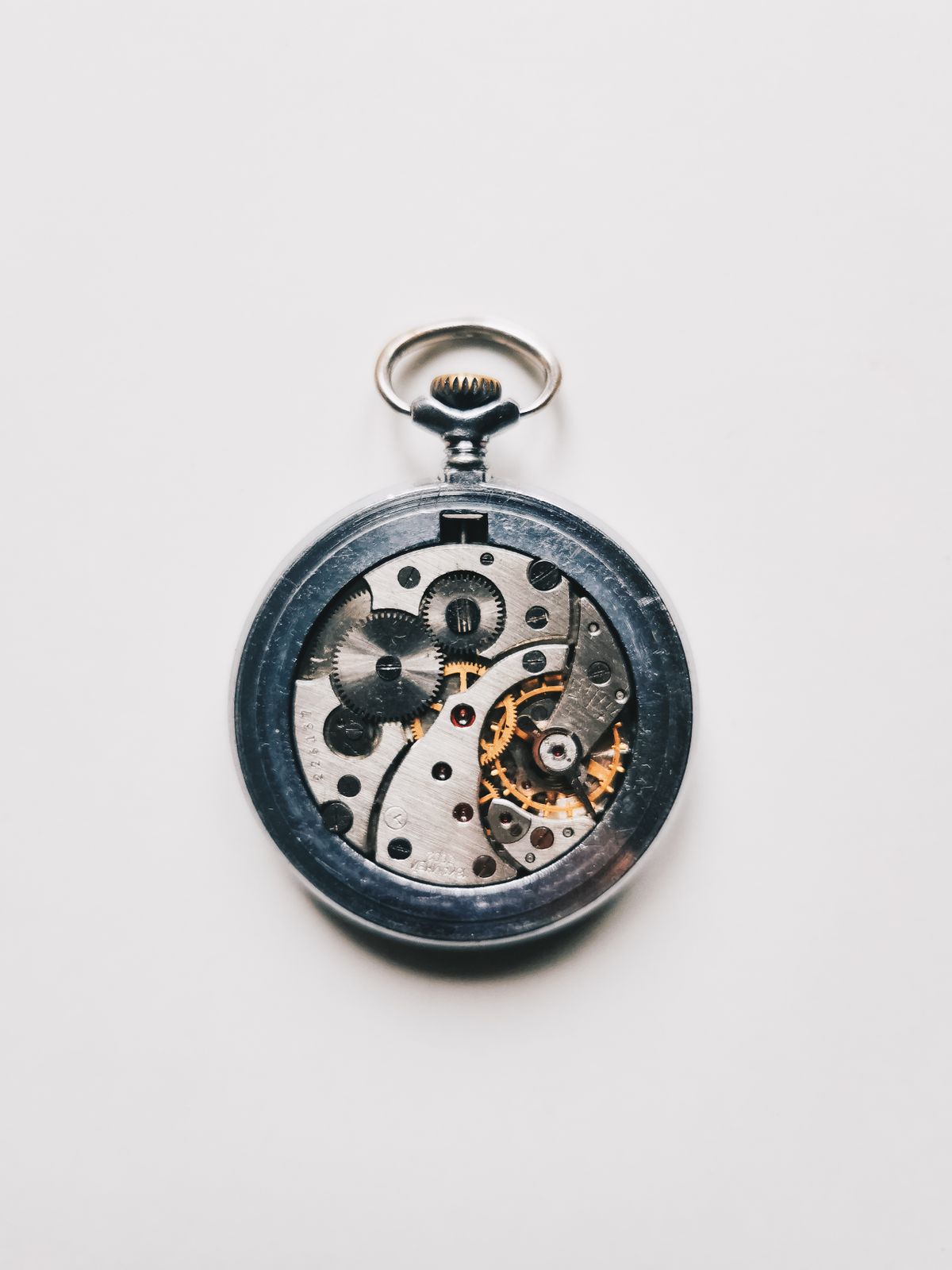
The movement. Calibre marking, jewel count, quality of bridge finishing. Service watches generally come from the upper part of a maker's range, and it shows to the naked eye.
Parts that belong together. The commonest problem on the market is not forgery but assembled watches: an original marked case with a movement from another watch, or the reverse. Matching numbers and a consistent pattern of wear are the only defence.
A rule worth remembering: a watch in which everything has aged equally is probably original. A watch in which one component is conspicuously fresher than the rest is not.
What lifts the price above average
- Documentation. A service booklet, an issue record, rate-check entries. Paper with a watch can be worth half the watch.
- A complete outfit. The watch with its original chain and case.
- An unusual administration or period. Markings from shorter periods or smaller administrations are scarcer simply because there were fewer of them.
- Untouched condition. A watch never polished, with a dial nobody has interfered with, is the exception in this category — and it is paid for as one.
How to sell
This is a category where auction almost always beats a fixed price. The reason is specific: buyers of railway watches are a narrow, well-informed market, people who collect by administration and by number. Such a buyer knows exactly what is missing from their sequence and will pay for it — but only if they see the item at all. Open bidding is the only format in which two such buyers can meet.
To sell, prepare: the dial from above, both case backs from outside, the engraving from inside at an angle, the movement, and any papers that exist. The engraving is the most important photograph here — it is the first thing a buyer looks for.